Geriatric Care in QueensBy KEL Healthcare Medical
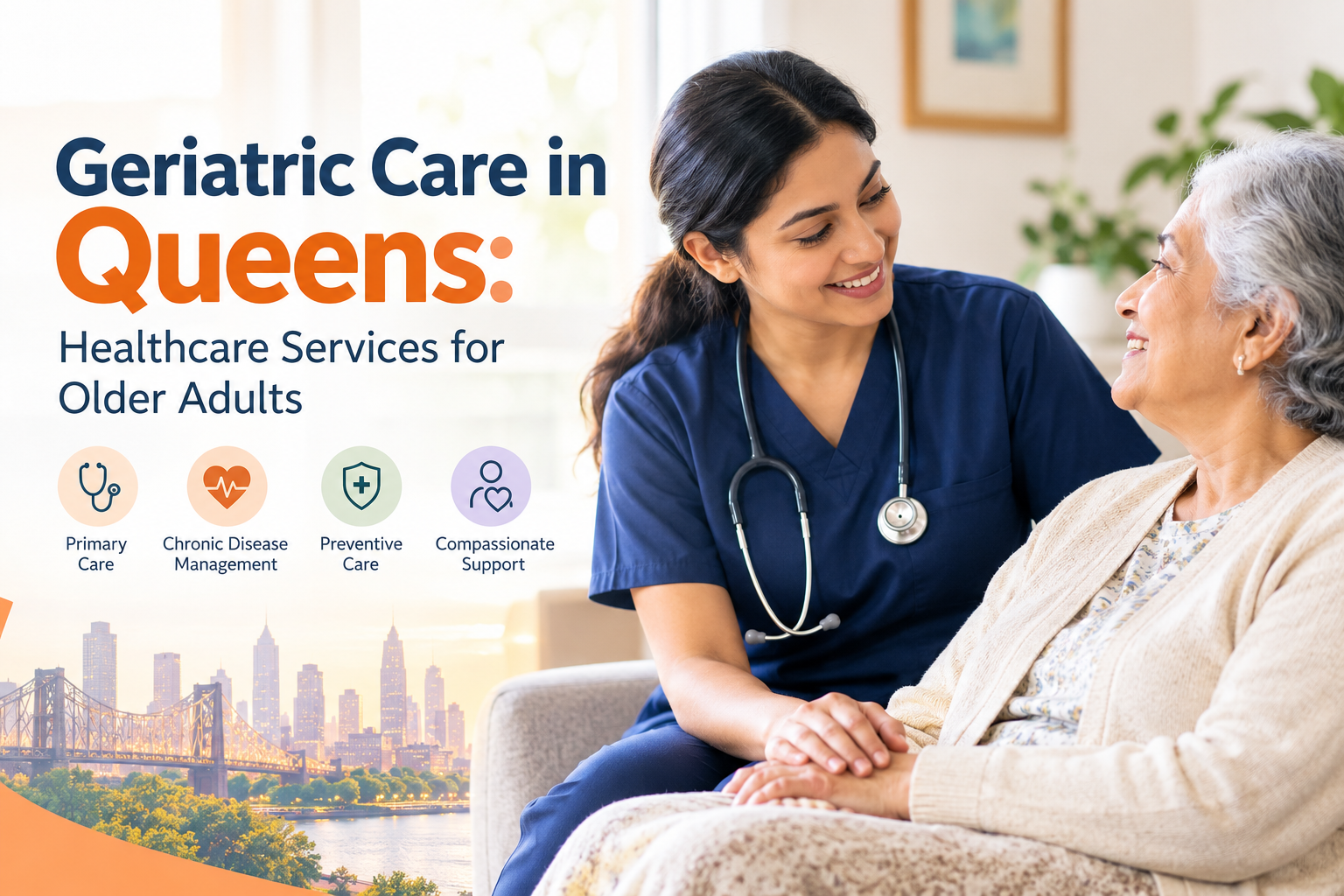
Geriatric Care in Queens: Healthcare Services for Older Adults
There's a shift that tends to sneak up on families as parents or grandparents get older. Suddenly there are more pill bottles on the counter, more appointments to keep track of, and the kind of care.
Introduction
There's a shift that tends to sneak up on families as parents or grandparents get older. Suddenly there are more pill bottles on the counter, more appointments to keep track of, and the kind of care that worked just fine at 50 doesn't quite fit anymore at 75 or 80. Knowing when it's time to move toward specialized geriatric care Queens, NY can make a real difference - not only in health outcomes, but in how manageable and dignified the whole experience feels, both for the older adult and for the family supporting them.
What Makes Geriatric Care Different
Geriatric medicine is not just ordinary medicine for elderly patients, but an entire approach to medicine, based on the realities of growing older. Many seniors have more than one chronic condition and are taking a handful of medications that need to work together safely. They are at risk for things like falls, cognitive changes, and general frailty that may not always be noticed during a routine check-up. A geriatric doctor in Woodside, NY, trained in these areas specifically offers a different kind of attention to a visit than a regular primary care appointment.
Core Services Involved in Geriatric Care
Medication Management
Most older adults are on multiple prescriptions, and the more medications stack up, the greater the chance of a harmful interaction slipping through. Senior healthcare Queens NY providers make a habit of reviewing medication lists closely, simplifying where possible and flagging conflicts before they become a problem.
Cognitive Health Monitoring
Forgetfulness, confusion, or early signs of dementia get looked at carefully, with an eye toward telling the difference between ordinary aging and something that actually needs follow-up and support.
Fall Risk and Mobility Assessment
Falls remain one of the top causes of injury in older adults. An elderly care doctor in Queens will typically check balance, strength, and even home safety to head off problems before they happen.
Chronic Disease Management
Diabetes, high blood pressure, arthritis - these often call for a different treatment approach later in life, one that weighs effective management against day-to-day quality of life.
Nutrition and Wellness
Appetite shifts, unplanned weight loss, and nutritional gaps become more common with age, so primary care for seniors usually keeps an eye on this as a matter of course, not as an afterthought.
Coordination With Family and Caregivers
Geriatric visits often bring family members or caregivers into the conversation, so everyone's on the same page about the care plan and can actually help carry it out.
Comparing General Primary Care vs. Specialized Geriatric Care
| Factor | General Primary Care | Specialized Geriatric Care |
| Medication Review | Basic check during visits | In-depth, regular review to reduce interaction risk |
| Cognitive Screening | Not always routine | Regularly assessed as part of standard visits |
| Fall Risk Assessment | Rarely a primary focus | Actively evaluated and addressed |
| Family Involvement | Limited, patient-only focus | Often includes caregivers in care planning |
| Chronic Disease Approach | Standard treatment protocols | Adjusted for age-related factors and quality of life |
Why Specialized Geriatric Care Genuinely Helps
- Less complicated medication. The more prescriptions pile up, the more a review means fewer harmful drug interactions slip through the cracks.
- Early recognition of cognitive change. Routine screening can catch changes early, rather than letting them be dismissed as "just getting older."
- Reduced fall risk.** **Staying ahead of balance and mobility issues can meaningfully cut down the odds of a serious injury.
- Better quality of life. Looking at the whole person, not just one condition at a time, tends to make aging more comfortable and more dignified.
Challenges Families Often Face
- Knowing when it's time for a change. It isn't always obvious that general primary care has stopped being enough.
- Coordinating between multiple providers. Seniors often see several specialists, and without someone pulling that together, care can get fragmented fast.
- Having the harder conversations. Bringing up mobility limits or memory changes with a parent or grandparent isn't easy, emotionally.
- Balancing independence with safety. Good geriatric care tries to protect autonomy while still addressing real safety concerns - and that balance is rarely simple.
Signs It Might Be Time to Consider Geriatric Care
- Managing five or more medications regularly
- Recent falls, or a growing sense of unsteadiness
- Noticeable memory lapses or confusion
- Several chronic conditions that feel harder to manage together than they used to
- Unexplained weight loss or changes in appetite
- A general feeling that care has gotten more complicated than a standard visit can really handle
How to Choose the Right Geriatric Care Provider
- Ask about hands-on experience with older adults, not just general practice background.
- Find out whether they coordinate with the specialists the patient already sees.
- Ask how family or caregivers get included in ongoing care decisions.
- Confirm they run regular cognitive and fall risk screenings as a standard part of care, not an occasional extra.
- Look for a communication style that's patient and unhurried - older patients often need a bit more time to feel truly heard.
Final Thoughts
Aging well isn't about avoiding the doctor's office - it's about getting the right kind of care, one that's actually built around what getting older really involves. Whether that means closer medication management, fall prevention, or just having a doctor willing to slow down and understand a more complicated health picture, geriatric care Queens NY services offer real, practical support for older adults and the families walking through this stage of life with them. If care has started to feel like more than a standard visit can hold, it's worth looking into geriatric-focused options sooner rather than later.
Frequently Asked Questions
More from our blog
 Premier Physicians
How Woodside Premier Physicians Doctors Help You Stay Healthy Year-Round
Staying healthy is more than scheduling a visit when you are sick. It means having a trusted primary care team that gets to know you, helps you prevent health concerns, and supports you through.
Medically reviewed by Urgent Care Specialist in New York
Read Article Primary Care
How to Choose the Right Primary Care Doctor in Staten Island, New York
Choosing the right primary care doctor in Staten Island, NY, is an important step toward maintaining your overall health. Learn what to consider, including experience, available services, location, appointment options, and personalized patient care, to find a healthcare provider who meets your needs.
Medically reviewed by Primary Care Locations Across New York
Read Article Our Primary Care Services
The Role of Primary Care Physicians in Lifestyle-Based Chronic Disease Management
Managing a chronic health condition often involves more than medication and occasional doctor visits. Healthy lifestyle habits, regular monitoring, preventive care, and ongoing medical guidance can.
Medically reviewed by Dr. Karl E. Latortue, MD
Read Article