Medical ReferralBy Kel Healthcare Medical Team
What Happens if You Don't Follow Up on a Referral? Why It Matters
A referral often feels like the end of a visit rather than the start of a new one. Your doctor hands you a name, maybe a phone number, and tells you to follow up with a specialist, and it's easy to.
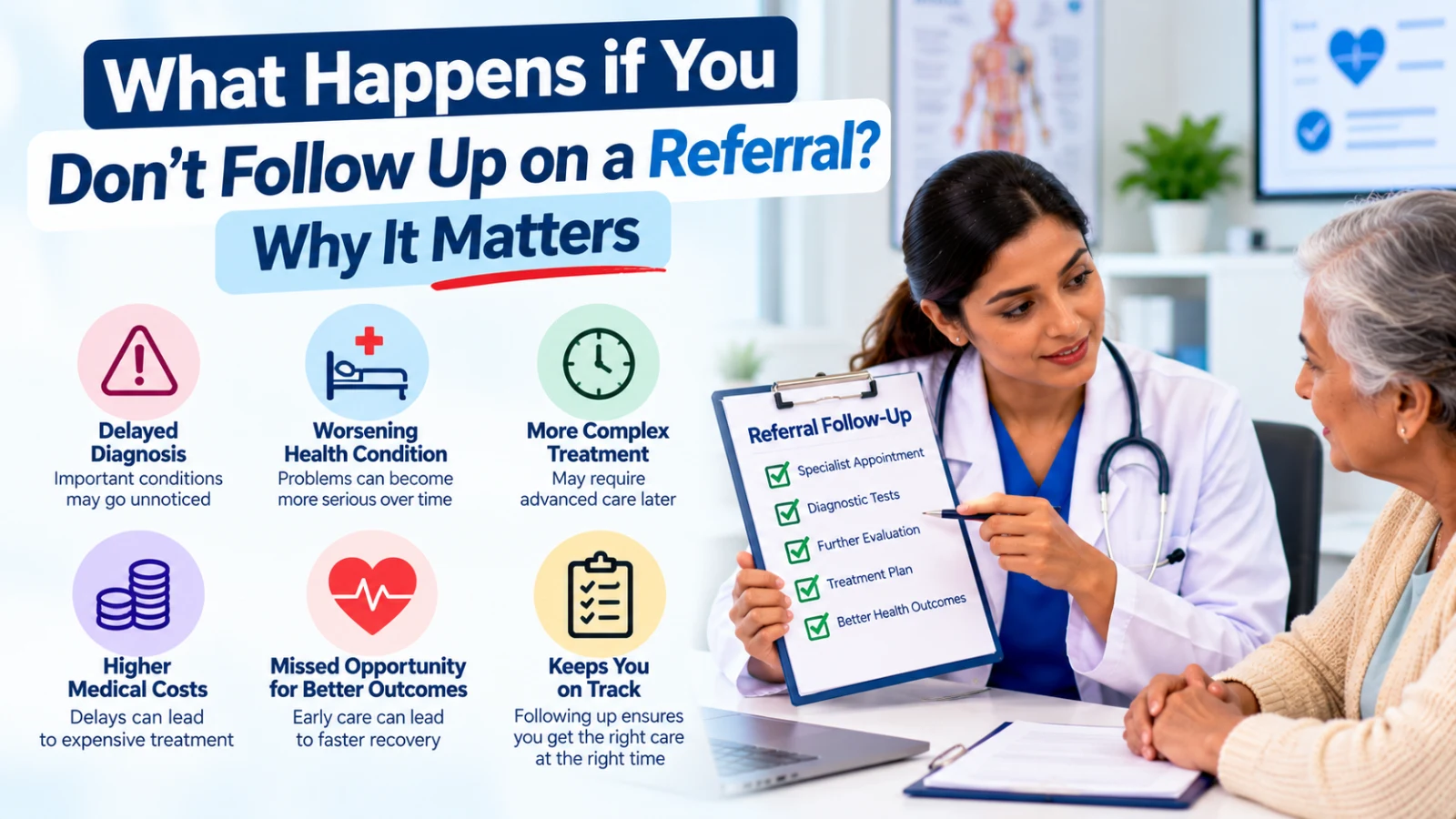
Introduction
A referral often feels like the end of a visit rather than the start of a new one. Your doctor hands you a name, maybe a phone number, and tells you to follow up with a specialist, and it's easy to file that away as a task for later, especially if you're not currently in pain or actively worried. But the importance of following up on a medical referral goes well beyond checking a box, and the gap between "referred" and "seen" is exactly where a lot of continuity of care quietly breaks down.
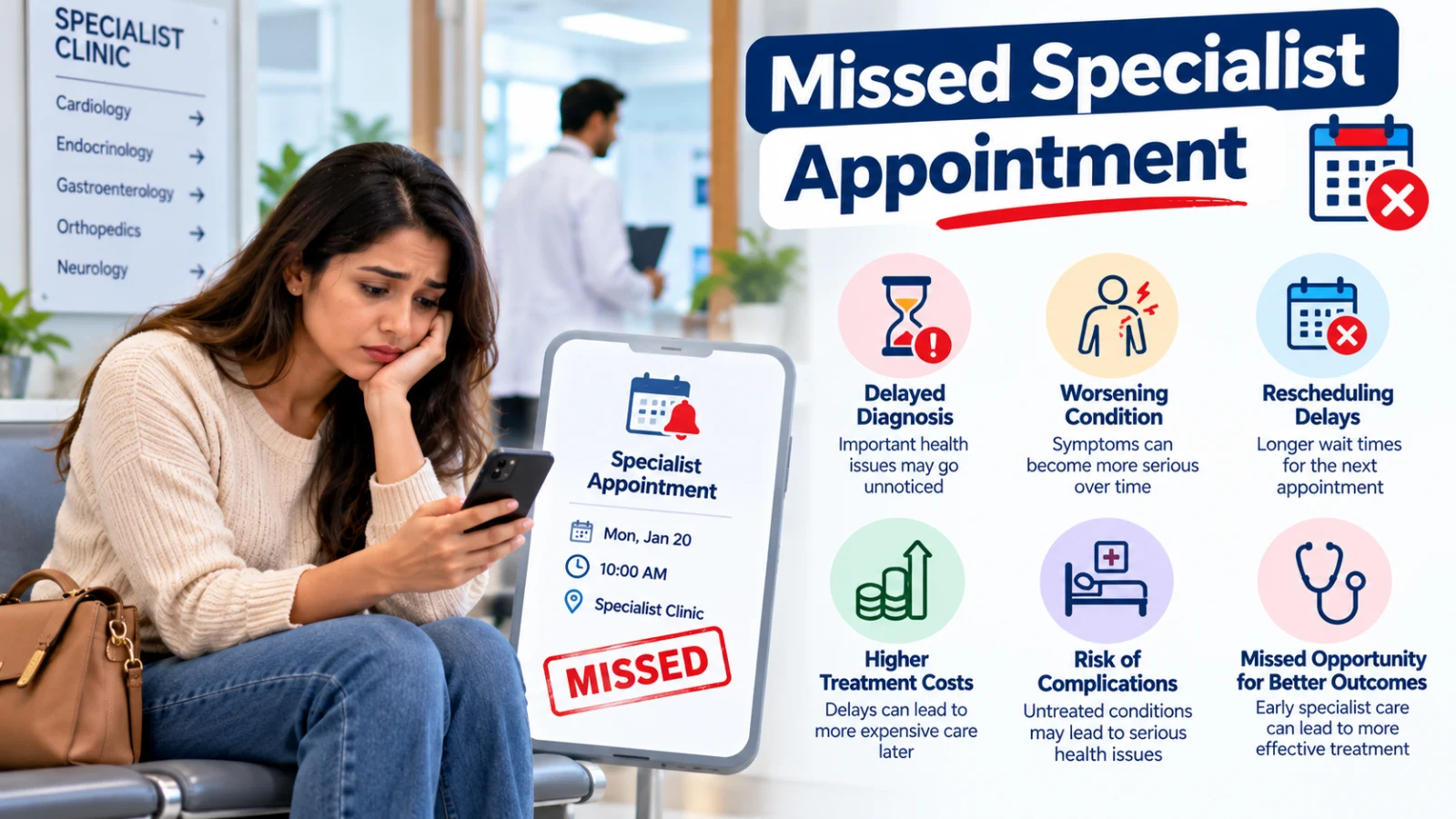
A missed specialist appointment doesn't usually cause an immediate, obvious problem. That's part of what makes it so easy to let it slide. The real cost tends to show up later, when a condition has had more time to progress than it would have if the referral loop had actually been closed.
This guide walks through what a referral is actually meant to accomplish, what can happen if you don't follow up, why the gap is so easy to fall into, and how to make sure your own referrals don't quietly disappear.
This article is for general educational purposes and isn't a substitute for guidance from your own doctor about a specific referral.
What a Referral Is Actually Meant to Accomplish
A referral exists because your primary provider has identified something that needs a different level of expertise, more specialized testing, or a more focused evaluation than a general visit can provide. It's a deliberate handoff, not a suggestion offered out of caution alone.
A Referral Reflects a Specific Clinical Judgment
When a referral is made, it usually reflects a specific concern, a finding on an exam, a symptom pattern, or a risk factor that your provider believes warrants a closer look from someone with more specialized training in that particular area.
The Referral Is Only the First Half
Ordering or receiving a referral doesn't, by itself, accomplish anything clinically. The actual value only materializes once the specialist visit happens, any recommended testing is completed, and the findings make their way back into your overall care plan.
What Can Happen When a Referral Goes Unfollowed
The consequences of skipping a referral vary widely depending on what it was for, but a few general patterns show up consistently.
A Condition Can Progress Without You Noticing
Many of the conditions that prompt a referral in the first place, certain cardiac findings, some cancers, evolving chronic disease complications, don't necessarily produce escalating symptoms in a way that would prompt you to seek care on your own. Without the referral being completed, that progression can continue quietly.
The Window for Simpler Treatment Can Close
Many conditions are more straightforward to treat the earlier they're addressed. A delayed specialist evaluation can mean that by the time care does happen, whether through a later referral or an eventual acute event, treatment options are more limited or more involved than they would have been.
Your Primary Provider Loses Visibility
If a referral is never completed, your primary provider often has no way of knowing whether the underlying concern was ever actually resolved, which can leave a real gap in your overall medical picture going forward.
Why Referrals Fall Through the Cracks So Easily
Understanding why this happens so often isn't about blame; it's about recognizing a genuinely common gap in the process so it's easier to avoid.
No Symptoms, No Urgency
If you're referred for something you don't currently feel unwell from, a screening finding, a risk factor, a preventive concern, there's often no daily reminder pushing you to make the appointment, which makes it easy to deprioritize.
Logistical Friction
Finding an in-network specialist, waiting for appointment availability, and coordinating scheduling around work and other responsibilities all add friction to a busy referral timeline. There is often no follow-up in place to catch you if you fall out of the process.
Assuming Someone Else Is Handling It
Some patients assume the referring office scheduled the appointment on their behalf, or that the specialist's office will proactively reach out, when in many care settings, actually completing the referral is left to the patient.
The Referral Feels Like a Suggestion, Not a Requirement
Because a referral is delivered in the middle of an otherwise routine visit, it can register more like a casual recommendation than a clinical requirement, even when the underlying concern is genuinely significant.
How a Missed Specialist Appointment Affects Continuity of Care
Continuity of care depends on information and treatment flowing consistently between everyone involved in your care, and a missed specialist appointment is one of the more common places that flow breaks down.
A Fragmented Picture of Your Health
Without the specialist visit, findings, and any resulting treatment plan feeding back into your primary care record, your overall medical picture has a real gap in it, one that can affect future decisions made without that missing piece of information.
Redundant or Delayed Future Care
If the original concern resurfaces later, without the benefit of the specialist evaluation that should have already happened, your care team may need to start closer to the beginning rather than building on work that could have already been completed.
Why This Matters Even Without Immediate Symptoms
Continuity of care isn't only about treating something that's actively causing problems; it's about maintaining an accurate, complete picture of your health over time, which a completed referral contributes to even when nothing dramatic comes of it.
Making Sure Your Referral Doesn't Get Lost
A few consistent habits make it significantly less likely that a referral quietly falls through.
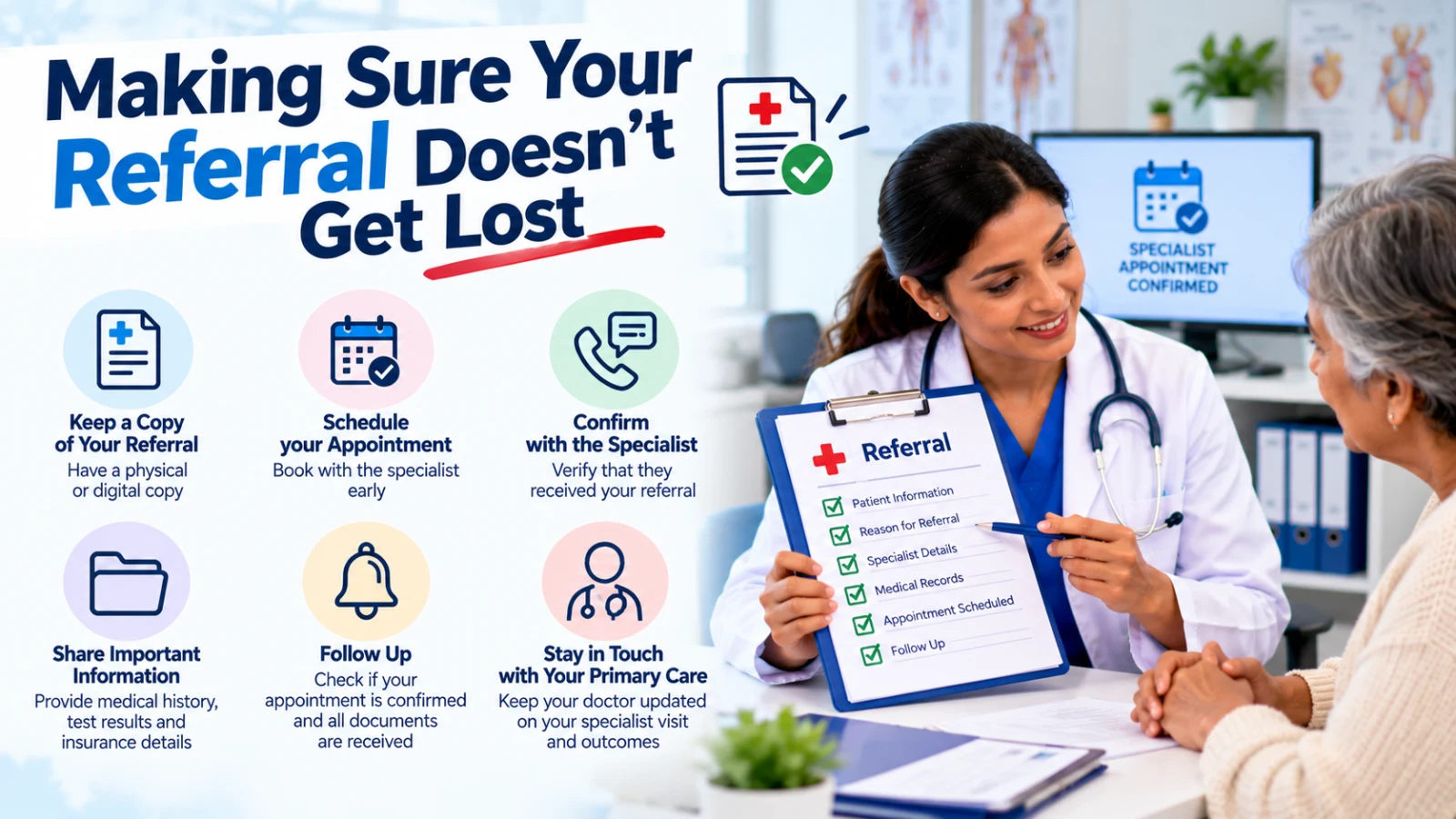
Schedule Before You Leave the Office, If Possible
If your provider's office can schedule the specialist appointment for you on the spot, take advantage of that rather than leaving it for later.
Set a Concrete Reminder
If you need to schedule it yourself, setting a specific reminder, rather than a vague intention to "call soon", meaningfully increases the odds it actually happens.
Confirm the Loop Closes
After your specialist visit, confirming that your findings and any recommendations have made their way back to your primary provider helps ensure your overall care picture stays complete and coordinated.
Ask Questions If You're Unsure Why You Were Referred
If you don't fully understand why a referral was made or how urgent it is, asking your provider directly helps you gauge how much priority to give it, rather than guessing.
Conclusion
A referral is only useful once it's actually completed: the appointment made, the specialist seen, the findings folded back into your overall care. Skipping that follow-up rarely causes an immediate, obvious problem, which is exactly why it's so easy to let it slide and exactly why it matters more than it seems in the moment. Treating a referral as a required next step, rather than an optional suggestion, is one of the simplest ways to protect your own continuity of care over time.
Frequently Asked Questions
More from our blog
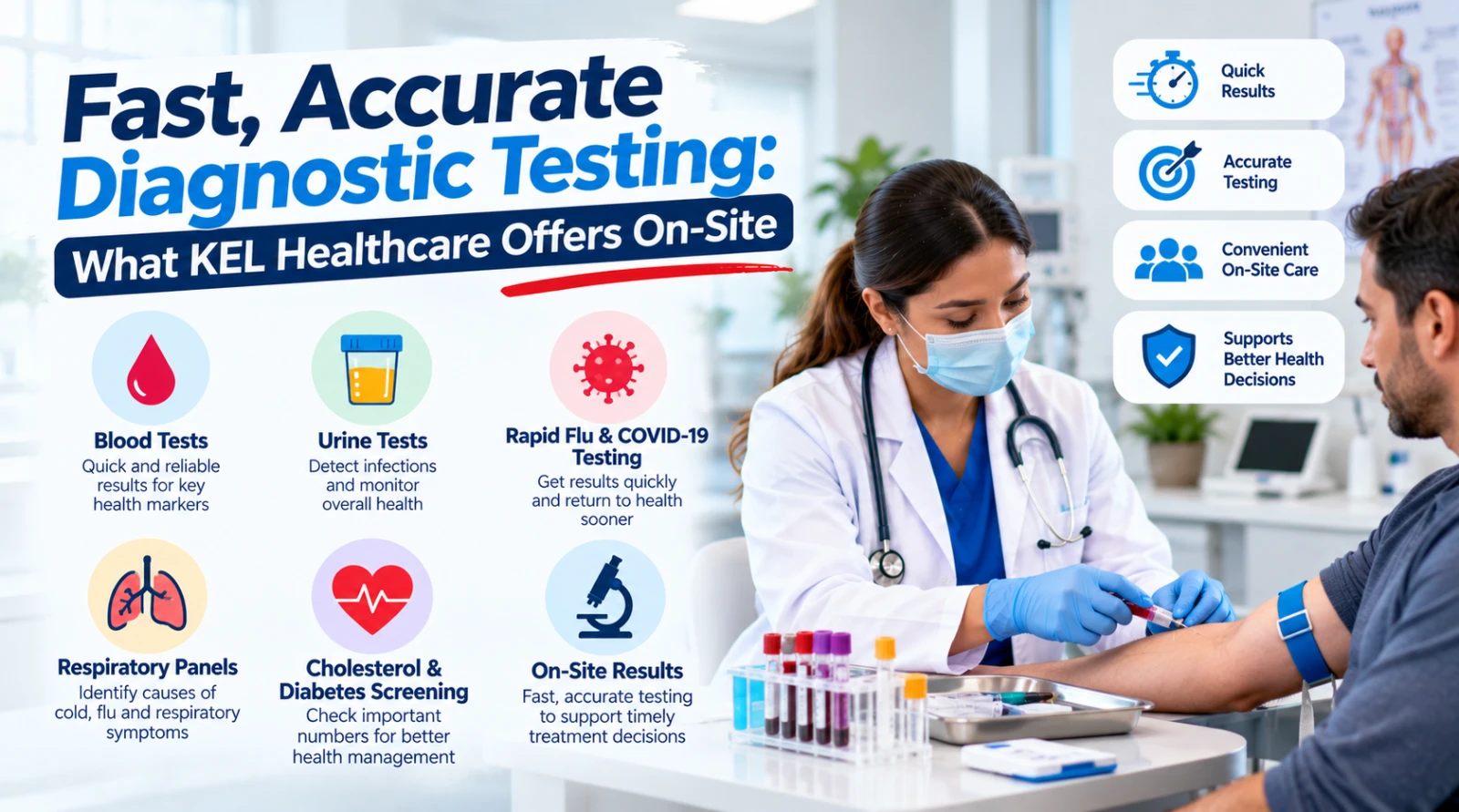 Diagnostic Testing
Fast, Accurate Diagnostic Testing: What KEL Healthcare Offers On-Site
When something feels off, or your doctor recommends a test to rule something in or out, the last thing you want is a long wait between the order and the answer. That's exactly the gap on-site.
Medically reviewed by Kel Healthcare Medical Team
Read Article Preventative Care Checklist
: The Screenings You Shouldn't Skip This Year
It's easy to let preventive care slide when nothing feels wrong. No symptoms, no obvious reason to book an appointment, and life is busy enough without adding one more thing to the calendar. But.
Medically reviewed by Kel Healthcare Medical Team
Read Article Chronic Disease
Managing Diabetes and Hypertension: A Chronic Disease Care Plan That Works
Diabetes and hypertension are commonly managed as if they're two separate problems, each with its own appointments, medications, and set of numbers to track. But for the many patients living with.
Medically reviewed by Kel Healthcare Medical Team
Read Article