Preventive Care ChecklistBy Kel Healthcare Team
5 Reasons Why You Need Regular Check-ups in Queens, NY
Feeling fine is not the same as being checked. Learn five reasons regular check-ups matter, what to expect, and how a primary care clinic in Queens, NY can support your preventive care.

Introduction
Many people in Queens see a doctor only when something hurts, a form needs a signature, or a cough will not go away. It is an understandable habit. Long workdays, commutes, family duties and busy waiting rooms push routine care to the bottom of the list. The challenge is that some common conditions, including high blood pressure and early type 2 diabetes, can develop without obvious symptoms.
A regular check-up is different from a sick visit. According to MedlinePlus, it combines a physical exam with preventive care such as screening tests, vaccines, and counseling. Two common misconceptions are "I feel fine, so I do not need one" and "check-ups are only for older adults." In reality, what you need depends on your age, health history, family history and risk factors, which is why a conversation with a clinician matters.
This guide explains five reasons to schedule regular check-ups, what to look for in a primary care clinic in Queens, NY, and how to get the most from your visit. It also shows how KEL Healthcare Medical Services, P.C. in Woodside may help. This article is general education, not personal medical advice.
Key Findings
- Regular check-ups combine an exam with preventive care. The right mix of screenings and vaccines depends on your age, health history and risk factors.
- High blood pressure is common and often silent. The CDC reports that nearly half of U.S. adults (48.1%) have it, and about 1 in 6 adults with high blood pressure is unaware of it.
- The U.S. Preventive Services Task Force (USPSTF) recommends blood pressure screening for all adults 18 and older, and other screenings that begin at specific ages or risk levels.
- Check-ups are a good time to review medications, update vaccines, and discuss sleep, stress, nutrition and activity.
- New or worsening symptoms should not wait for a routine visit, and emergency symptoms need emergency care.
- KEL Healthcare's Woodside clinic offers primary care, preventive care, chronic disease management and diagnostic testing, with same-week primary care appointments and walk-ins welcome, based on current information published by the practice.
What Is a Regular Check-up, and Why Does It Matter?
A regular check-up, also called an annual physical or wellness visit, is a planned appointment with a primary care clinician when you are not necessarily sick. The goal is to review your overall health, look for risks, and make sure your preventive care is up to date. It also gives you time to ask questions you might not raise during a short sick visit.
Depending on your age and needs, a visit may include the following:
- Review of your medical history, family history, medications and supplements
- Measurements such as blood pressure, weight and, when appropriate, other vital signs
- A physical exam based on your age, history and concerns
- A discussion of screening tests, such as blood work or cancer screenings, that may apply to you
- A review of vaccines using the current CDC adult immunization schedule
- Counseling on nutrition, physical activity, sleep, stress, tobacco and alcohol use
- Mental health questions, since the USPSTF recommends screening for depression in adults
Primary care clinicians can also help decide whether a concern needs further testing, monitoring or a referral to a specialist. A referral is more likely when a result is unclear, a condition needs focused expertise, or symptoms do not match what is expected. This overview is general information. Your own clinician decides what is right for you.
Common Problems That Keep Patients From Routine Care
Most people do not skip check-ups because they do not care about their health. They skip them because everyday life gets in the way. Here are five common challenges and a practical next step for each.
"I feel fine" thinking
Feeling well is reassuring, but it does not rule out conditions that cause few symptoms. A routine visit lets a clinician check numbers such as blood pressure and discuss whether blood tests make sense. Next step: book a visit even when nothing is wrong, and bring your questions.
Missing screenings that apply to you
Screening ages and intervals change as guidelines are updated. Colorectal cancer screening, for example, is now recommended by the USPSTF starting at age 45. Next step: ask, "Which screenings apply to me this year, and why?"
Managing a chronic condition alone
Conditions such as hypertension, diabetes and asthma usually need ongoing attention, not one-time fixes. Skipped follow-ups can leave medication or monitoring questions unanswered. Next step: keep a list of your readings, symptoms and medicines for each visit.
Not knowing which symptoms to act on
Not every symptom is serious, and not every symptom can wait. A primary care clinician can help you understand which changes deserve prompt attention. Next step: write down what changed, when it started and what makes it better or worse before you call.
Finding time and access
Work schedules, transit and clinic hours can make appointments feel hard. Next step: choose a clinic near your commute, ask about appointment options and hours, and confirm insurance coverage before you go.
5 Reasons You Need Regular Check-ups
Each reason below includes why it matters, what you can do, and a simple illustrative example. The examples are not real patients and are not medical advice.
1. To catch silent conditions early
High blood pressure, early type 2 diabetes and high cholesterol often cause no noticeable symptoms. The CDC says nearly half of U.S. adults have high blood pressure, and about 1 in 6 adults with the condition is unaware of it. That is why the USPSTF recommends blood pressure screening for every adult 18 and older, and screening for prediabetes and type 2 diabetes for adults 35 to 70 who have overweight or obesity.
Practical guidance: ask your clinician how often your blood pressure and other numbers should be checked based on your history. If a reading is high, clinicians often confirm it with additional measurements before making decisions.
Illustrative example: a 42-year-old who feels well has a higher-than-expected blood pressure reading at a routine visit. The clinician repeats the measurement, reviews family history and discusses next steps, rather than assuming the reading is a diagnosis.
2. To get the right screenings at the right time
Screening is testing for a condition before symptoms appear. Which tests apply to you depends on age, sex, health history and risk. For instance, the USPSTF recommends colorectal cancer screening from age 45 to 75, biennial mammography for women 40 to 74, cervical cancer screening for women 21 to 65, hepatitis C screening for adults 18 to 79, and HIV screening for ages 15 to 65. Lung cancer screening applies to certain adults 50 to 80 with a significant smoking history.
Practical guidance: bring your family history, including any cancers, heart disease or diabetes in close relatives, because it can change when screening starts. Recommendations are updated over time, so confirm current guidance with your clinician.
Illustrative example: a 46-year-old asks whether they are due for any screenings. Their clinician explains that colorectal screening now begins at 45 for average-risk adults and reviews the available options.
3. To keep chronic conditions and medications on track
If you live with hypertension, diabetes, asthma or another long-term condition, regular visits help you and your clinician see how things are going over time. They also create a chance to review every medication and supplement you take, which matters because the list can grow without anyone looking at the whole picture.
Practical guidance: bring all pill bottles or a current list, home readings if you track them, and notes about side effects or missed doses. Never change or stop a prescribed medicine on your own.
Illustrative example: an adult managing blood pressure brings a home log to a follow-up visit. The clinician reviews the pattern and discusses whether the current plan should stay the same. KEL Healthcare lists chronic disease management among its primary care services, including ongoing care for conditions such as diabetes, hypertension and asthma.
4. To stay current on vaccines and healthy habits
Prevention is more than tests. Vaccines, nutrition, activity, sleep and stress all affect long-term health. The CDC adult immunization schedule includes an annual flu shot for adults, a tetanus-diphtheria booster (Td or Tdap) every 10 years after an initial Tdap dose, and shingles vaccination for adults 50 and older, along with other vaccines based on age and health conditions. Schedules are updated, so your clinician can confirm what applies now.
A check-up is also a good time to talk about mood and stress. The USPSTF recommends screening for depression in adults and screening for anxiety disorders in adults 64 and younger.
Illustrative example: a parent who keeps putting off their own care schedules a visit, updates a vaccine and starts a conversation about sleep and stress. KEL Healthcare also lists lifestyle counseling for nutrition, wellness and daily habits.
5. To build a relationship with a primary care clinic you trust
When you see the same clinic regularly, your history, test results and preferences live in one place. That continuity can make it easier to spot changes, coordinate referrals when specialist care is needed, and get help faster when you are sick. It also means the first conversation about a new concern is not with a stranger.
When comparing a primary care clinic in Queens, NY, consider location and transit access, appointment options, language support, insurance coverage, available on-site services, and how well the team explains things. Online lists of the top 10 primary care clinics in Queens, NY can be a starting point, but rankings vary by source, so visit, call, and decide what fits your needs. Our guide to choosing a primary care doctor near Woodside walks through seven things to look for.
Illustrative example: a family chooses one clinic for routine care. When a child's parent needs a referral later, the records and history are already in place.
Check-ups vs. Other Types of Care
Different visits serve different purposes. This table gives a general comparison. Your clinician can explain which fits your situation.
| Type of care | Main purpose | Potential benefit | Important consideration |
|---|---|---|---|
| Routine check-up | Review overall health and prevention | Gives time to discuss risks, vaccines and questions | How often depends on age, history and clinician advice |
| Preventive screening | Look for specific conditions before symptoms | May find certain conditions earlier | Eligibility varies by age, sex and risk factors |
| Symptom-based visit | Evaluate a current concern | Supports timely assessment of new problems | Not a substitute for preventive care |
| Chronic condition follow-up | Monitor an ongoing condition | Helps review progress and adjust care | Follow your clinician's schedule |
| Emergency care | Treat life-threatening problems | Provides urgent evaluation | Call 911 or go to an emergency department for severe symptoms |
Your Check-up Journey and Patient Action Checklist
The image below shows a typical path: you prepare, schedule, talk with your clinician, complete any recommended tests, and follow up.
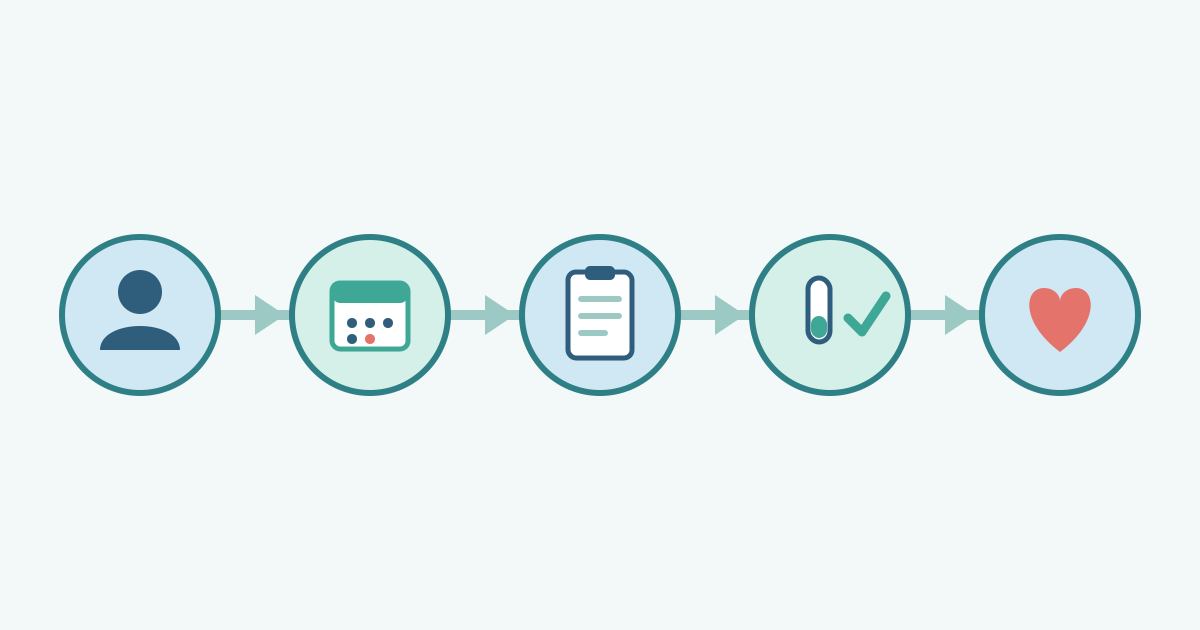
Five steps to get more from your visit:
- Gather your history. Note family health history, past diagnoses, surgeries and allergies.
- Schedule the visit. Pick a time that is realistic for your work and commute, and ask what to bring.
- Share your list. Bring medicines, supplements, symptoms and questions, in writing if possible.
- Ask about screenings and vaccines. Ask which ones apply to you and why.
- Follow through. Complete recommended tests and book follow-up visits.
Patient action checklist (this does not replace a professional medical evaluation):
- Write down your family health history
- List all medicines, vitamins and supplements, with doses
- Note any symptoms, changes or concerns, and when they began
- Prepare three questions for your clinician
- Check your insurance details and bring your card and photo ID
- Ask whether any screenings or vaccines are due
- Follow your clinician's instructions after the visit
- Keep copies of test results and schedule your next appointment
How KEL Healthcare Medical Services Can Help
KEL Healthcare Medical Services, P.C. provides primary care, preventive healthcare and chronic disease management to individuals and families across New York. Its primary care page for Queens lists routine check-ups, preventive care, chronic disease management, health screenings, diagnostic testing, women's health, men's health and lifestyle counseling.
The Woodside clinic, at 63-15 Roosevelt Avenue, is the practice's flagship location. Based on the information published on its website at the time of writing, it welcomes walk-ins, offers same-week primary care appointments, has an on-site laboratory with same-day draws when appropriate, and can reach patients by subway, bus and the LIRR. Its published clinic hours are Monday to Friday, 9:00 AM to 4:00 PM. The location also lists English, Spanish and Twi language support and telehealth follow-ups for results reviews when appropriate.
KEL Healthcare also has clinics in Staten Island, Wading River and Brooklyn, and services differ by location, so check the location page you plan to visit or call (718) 874-3173. The practice's website lists a range of accepted insurance plans, but coverage varies by plan, so confirm yours before your visit. Availability can change, so call to confirm hours and appointment options.
To learn more or ask about an appointment, visit the Queens primary care page or book an appointment.
Follow-Up After Your Check-up
What happens after a check-up depends on your results, your conditions and your clinician's recommendations. Follow-up may include repeat blood pressure checks, lab work, a medication review, a screening referral, or a return visit to see how a plan is going.
Ways you and your clinician may review progress:
- Follow-up appointments on the schedule your clinician recommends
- Clinician-recommended monitoring, such as home blood pressure readings
- Review of test results and what they mean for you
- Notes on symptom changes since your last visit
- Medication review, including side effects and missed doses
- Confirmation that recommended screenings and vaccines are completed
- Progress toward health goals you set together
Monitoring is individual. No one schedule fits everyone, and nothing here promises a specific result. Ask your clinician what to track and when to call between visits.
Safety and Medical Disclaimer
This article is for general education and does not replace individualized medical advice, diagnosis or treatment. Talk with a qualified healthcare professional about your own symptoms, screening needs and treatment options. Screening recommendations differ by age, medical history, risk factors and current guidelines.
Seek emergency care right away for warning signs such as chest pain or pressure, trouble breathing, signs of stroke (face drooping, arm weakness, speech difficulty, sudden confusion or vision loss), or severe sudden symptoms. Call 911 or go to the nearest emergency department. KEL Healthcare is an outpatient practice and is not a replacement for emergency services.
- Primary care in Queens, NY: overview of KEL Healthcare's primary care services
- Preventive care: health screenings and wellness visits
- How to choose a primary care doctor near Woodside, NY
- Chronic disease management in Queens
- Men's health in Woodside: screenings, check-ups and care
Conclusion
Regular check-ups give you a chance to find out where your health stands, catch quiet problems early, and keep preventive care on schedule. Five reasons stand out: silent conditions are common, the right screenings depend on you, chronic conditions need follow-through, vaccines and habits matter, and a trusted primary care clinic makes everything easier.
Start small. Write down your family history, list your medicines, and pick a date. A primary care clinic in Queens, NY can help you decide what applies to you. If you are near Woodside, you can learn about KEL Healthcare's primary care services or call (718) 874-3173 to ask about appointment information.
Frequently Asked Questions
More from our blog
 Chronic Disease Management
Managing Diabetes and High Blood Pressure with a Crown Heights Doctor
Living with diabetes or high blood pressure? Learn how ongoing primary care in Crown Heights, Brooklyn can help you track your numbers and stay on course.
Medically reviewed by Kel Healthcare Medical Team
Read Article Walk-Ins Welcome
Walk-In or Appointment? Primary Care in Crown Heights Explained
Should you walk in or book ahead? Learn when each makes sense for primary care in Crown Heights, Brooklyn, and when to go to urgent care or the ER instead.
Medically reviewed by Kel Healthcare Medical Team
Read Article First Visit
Your First Visit to a Primary Care Doctor in Crown Heights: What to Bring
Nervous about a first appointment? See what to bring, what happens during a new-patient primary care visit in Crown Heights, and which questions to ask.
Medically reviewed by Kel Healthcare Medical Team
Read Article