Chronic Disease Management in QueensBy KEL Healthcare Medical
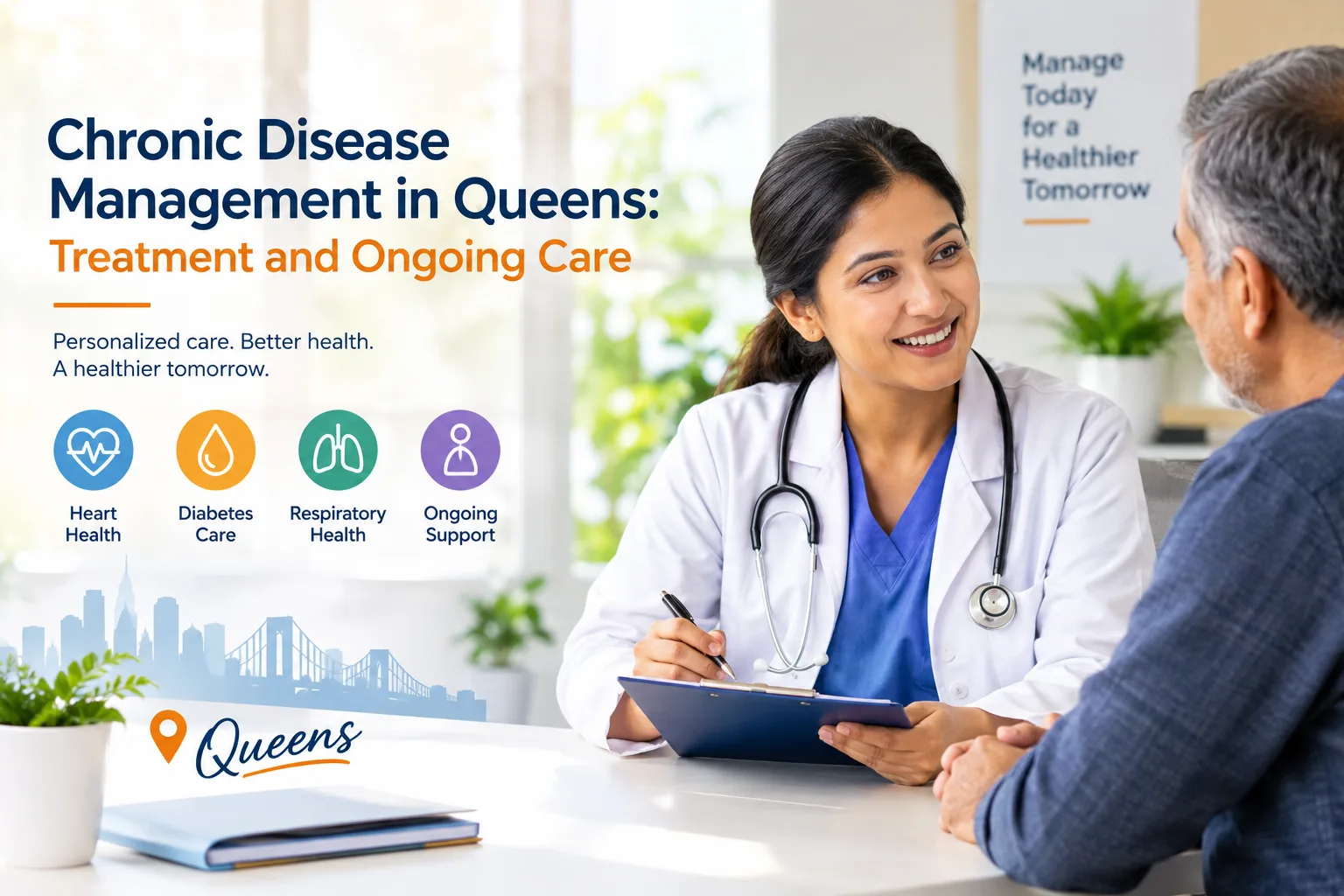
Chronic Disease Management in Queens: Treatment and Ongoing Care
There's a particular exhaustion that comes with living alongside a chronic condition - not the illness itself so much as the mental load of it—remembering medications. Tracking numbers. Rearranging.
Introduction
There's a particular exhaustion that comes with living alongside a chronic condition - not the illness itself so much as the mental load of it—remembering medications. Tracking numbers. Rearranging your week around appointments. If you're managing something like diabetes or high blood pressure, you already know this isn't a problem that gets solved in a single visit. Real chronic disease management Queens NY patients can count on isn't a one-time fix - it's an ongoing partnership between you and your provider that adjusts as your needs do. Understanding how that partnership is supposed to function can be the difference between just getting through it and actually feeling in control.
What This Actually Looks Like Day to Day
Chronic disease management is the long-term, coordinated care of conditions that don't resolve on their own - diabetes, hypertension, asthma, heart disease, arthritis, and similar conditions. Unlike a cold that clears up in a week, these ask for continuous attention: monitoring, medication adjustments, and lifestyle guidance playing out over months and years, not days.
A good chronic care doctor Queens residents trust does more than renew a prescription every few months. They're thinking about your labs, your diet, your activity, and - something that gets overlooked more often than it should - your mental health, because living with a long-term condition genuinely takes an emotional toll, not just a physical one.
The Conditions People Deal With Most
Diabetes
Diabetes management in Queens, NY specialists focus on centers around blood sugar control - medication, dietary adjustments, and regular A1C monitoring working together. Left unmanaged, diabetes can quietly damage nerves, kidneys, and the cardiovascular system, which is exactly why consistent follow-up carries so much weight here.
High Blood Pressure
Hypertension is rarely accompanied by any obvious symptoms; it is well known as “the silent killer.” Treating high blood pressure: Queens, NY providers generally provide regular checks of blood pressure, medication if needed, and candid discussions about sodium, stress, and movement.
Coronary artery disease
You’ll generally continue to have your cholesterol checked, your blood pressure monitored, and receive lifestyle coaching to help reduce your long-term risk of heart problems.
Asthma & Respiratory Conditions
Management usually includes checking inhaler technique, identifying personal triggers, and periodic lung function testing.
Reactive Care vs. Actually Staying Ahead of It
| Aspect | Reactive Care (Only Visiting During Flare-Ups) | Proactive Chronic Disease Management |
| Monitoring | Irregular, triggered by symptoms | Scheduled, consistent check-ins |
| Complication Risk | Higher, since issues are caught late | Lower, thanks to earlier adjustments |
| Cost Over Time | Higher - ER visits, hospital stays | Lower - fewer emergencies overall |
| How Patients Feel | Anxious, always playing catch-up | More in control, better informed |
| Coordination | Scattered across providers who don't communicate | Centered around primary care for chronic conditions |
Why Sticking With One Doctor Genuinely Helps
Chronic conditions rarely show up in isolation. Someone managing diabetes might also need blood pressure monitored and cholesterol tracked. Seeing the same provider consistently means someone actually holds the full picture, rather than piecing together fragments from disconnected offices. That continuity tends to mean fewer medication conflicts, more accurate diagnoses, and - honestly - a stronger sense that someone's actually paying attention to you specifically, not just your chart.
Why a Real Plan Makes Such a Difference
- Fewer trips to the ER. Regular monitoring catches warning signs before they become emergencies.
- Safer medication management. Ongoing reviews reduce the odds of harmful interactions, especially with multiple prescriptions in play.
- Guidance that actually fits your life. Nutrition and activity advice tailored to your specific condition, not generic wellness tips.
- Better outcomes overall. The data consistently shows that steady chronic care reduces hospitalizations and genuinely improves day-to-day quality of life.
What Makes This Genuinely Hard
- Appointment fatigue is real, especially when juggling more than one condition at once.
- Costs add up - regular labs and medications aren't free, so understanding coverage matters.
- Lifestyle changes are difficult to sustain without real support along the way.
- Care fragments without a central provider, splintering across offices that don't talk to one another.
A Few Things That Actually Help
- Keep a simple log of symptoms, medications, and how you're feeling - real patterns beat guesswork.
- Ask about combined visits - many practices can address diabetes and hypertension together in one appointment.
- Set goals you'll actually keep. Small, sustainable changes tend to outlast dramatic short-term overhauls.
- Don't skip the bloodwork - it's the objective data guiding real treatment decisions.
- Say something if it's not working. New symptoms, side effects, difficulty sticking to a plan - your provider can only adjust what they know about.
How to Choose the Right Chronic Care Provider
Look for a chronic care doctor in Queens practice offering prompt appointment availability for flare-ups, in-house lab testing that cuts down on delays, and a team-based approach that pulls in nutrition or care coordination support where useful. Ask how they track your progress between visits and whether there's a digital way to stay connected.
**Final Thoughts**
Chronic disease management isn't a one-time fix - it's a long game built on consistency. Whether you're navigating diabetes management, hypertension treatment, or another ongoing condition, having primary care for chronic conditions that actually sticks with you makes a real, measurable difference in both your health outcomes and your quality of life. If you've been managing a chronic condition without much of a real plan behind it, that's worth changing sooner rather than later.
Frequently Asked Questions
More from our blog
 Geriatric Care in Queens
Geriatric Care in Queens: Healthcare Services for Older Adults
There's a shift that tends to sneak up on families as parents or grandparents get older. Suddenly there are more pill bottles on the counter, more appointments to keep track of, and the kind of care.
Medically reviewed by Dr. Karl E. Latortue, MD
Read Article Premier Physicians
How Woodside Premier Physicians Doctors Help You Stay Healthy Year-Round
Staying healthy is more than scheduling a visit when you are sick. It means having a trusted primary care team that gets to know you, helps you prevent health concerns, and supports you through.
Medically reviewed by Urgent Care Specialist in New York
Read Article Primary Care
How to Choose the Right Primary Care Doctor in Staten Island, New York
Choosing the right primary care doctor in Staten Island, NY, is an important step toward maintaining your overall health. Learn what to consider, including experience, available services, location, appointment options, and personalized patient care, to find a healthcare provider who meets your needs.
Medically reviewed by Primary Care Locations Across New York
Read Article