Aging ParentsBy Kel Healthcare Medical Team
Aging Parents: 5 Signs They Need a Geriatric Care Check-In
Watching a parent age can bring up a mix of emotions: pride in their independence, alongside quiet worry about changes you've started to notice. The tricky part is that early geriatric care signs.

Introduction
Watching a parent age can bring up a mix of emotions: pride in their independence, alongside quiet worry about changes you've started to notice. The tricky part is that early geriatric care signs rarely show up as one obvious moment. They tend to appear gradually, in small details that are easy to explain away during a quick visit or phone call.
Recognizing these signs early isn't about taking away your parent's independence. It's about making sure small changes get addressed before they become bigger challenges, whether that's a missed medication, a subtle mobility change, or a shift in memory that's easy to dismiss as "just getting older."
In this guide, we'll walk through five common signs that suggest it's time for a geriatric care check-in, share a simple senior health checklist you can use at home, and cover how elderly care NY resources can support your family through the process.

Why Geriatric Care Signs Are Easy for Families to Miss
Most geriatric care signs are subtle, especially if you don't see your parent every day:
- Short phone calls can mask changes that are more obvious in person
- Parents often minimize symptoms out of pride or fear of losing independence
- Families tend to attribute small changes to "normal aging" rather than something worth checking
- Visits during holidays or short trips may not reveal patterns that build slowly over months
Because of this, it often takes a specific list of signs rather than a general feeling to prompt families to take action.
What Is a Geriatric Care Check-In?
A geriatric care check-in is a focused evaluation designed specifically for older adults. Unlike a general checkup, it typically considers:
- Memory, cognition, and mood
- Mobility, balance, and fall risk
- Medication management and potential interactions
- Nutrition, hydration, and weight changes
- Overall independence with daily activities
It's built to catch age-related changes that a standard visit might not specifically screen for.
The 5 Geriatric Care Signs to Watch For
Sign 1: Noticeable Memory or Confusion Changes
Occasional forgetfulness is normal, but repeated confusion about dates, conversations, or familiar routines is a sign worth having evaluated.
Sign 2: Changes in Balance or Increased Falls
A stumble here or there may seem minor, but frequent unsteadiness, new use of furniture for support, or an actual fall are all reasons to schedule a check-in.
Sign 3: Difficulty Managing Medications
Missed doses, duplicate refills, or confusion about which medication to take when can point to a need for medication review and support.
Sign 4: Unexplained Weight Loss or Appetite Changes
Skipping meals, noticeable weight loss, or a general disinterest in eating can signal underlying health issues that deserve attention.
Sign 5: Withdrawal From Social Activities or Hobbies
A parent who used to enjoy regular activities but has quietly stopped may be dealing with pain, low mood, or health challenges they haven't mentioned.
Using a Senior Health Checklist at Home
A simple senior health checklist can help you track patterns between visits rather than relying on memory alone. Consider tracking:
- Any falls, near-falls, or new unsteadiness
- Medication changes, missed doses, or side effects
- Appetite, weight, and hydration habits
- Mood, memory, and engagement with usual activities
- Any new symptoms, even ones that seem minor

Keeping a simple running list, even a few notes a week, makes it much easier to spot trends and share concrete details with a provider.
Finding Elderly Care NY Support
Families searching for elderly care NY resources have several starting points:
- Primary care providers who can refer to geriatric specialists when needed
- Local geriatric care coordinators who help families navigate next steps
- Community-based senior services offering wellness checks and support programs
- Home health agencies that provide ongoing monitoring for aging parents living independently
Starting with a conversation with your parent's existing provider is often the simplest first step toward the right level of support.
How to Start the Conversation with Aging Parents
Bringing up a geriatric care check-in can feel delicate. A few approaches that tend to help:
- Frame it as proactive care, not a loss of independence
- Share specific observations rather than vague concerns
- Offer to attend the appointment together for support
- Focus on one or two key signs rather than overwhelming them with a long list
What Happens During a Geriatric Care Check-In
A typical check-in usually includes:
- A conversation about memory, mood, and daily routines
- A physical exam focused on mobility, balance, and strength
- A full medication review to check for interactions or confusion
- Screening for nutrition, hydration, and any recent weight changes
- A follow-up plan tailored to any concerns identified
Conclusion
Aging parents rarely announce that something is wrong; the signs tend to show up quietly, in small changes that are easy to overlook from a distance. Paying attention to these five geriatric care signs, using a simple senior health checklist, and knowing where to turn for elderly care NY support can make all the difference in catching concerns early. If any of these signs sound familiar, consider reaching out to your parent's provider to schedule a geriatric care check-in. Acting early is almost always easier than addressing a crisis later.
Frequently Asked Questions
More from our blog
 Disease Management Needs
Why Chronic Disease Management Needs More Than a Yearly Visit
For many patients, an annual checkup feels like enough a single yearly appointment to confirm everything is still on track. But for anyone living with a chronic condition, that single visit is only.
Medically reviewed by Kel Healthcare Medical Team
Read Article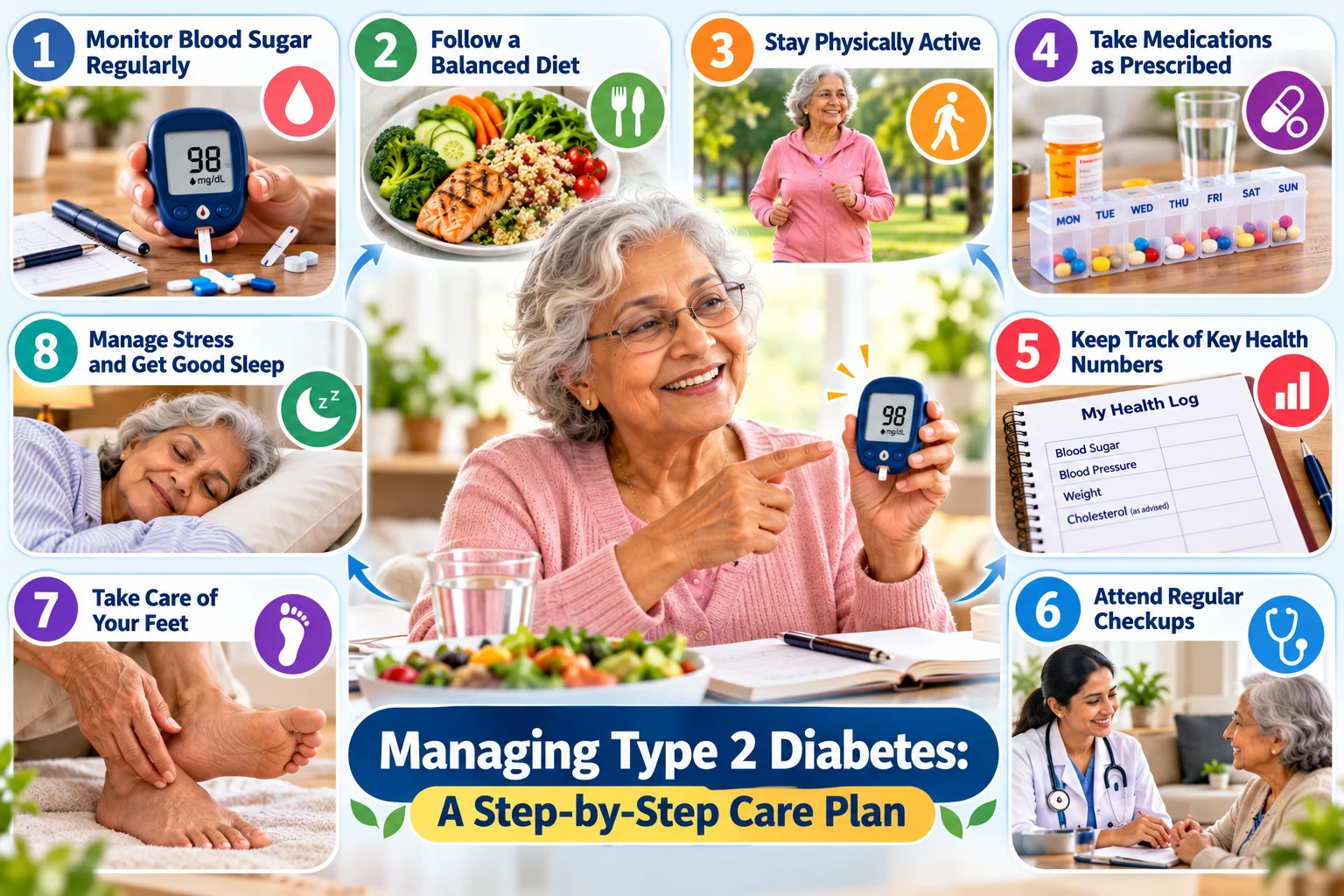 A Step-by-Step Care Plan
Managing Type 2 Diabetes: A Step-by-Step Care Plan
A type 2 diabetes diagnosis can feel overwhelming at first, but it's also one of the most manageable chronic conditions when you have a clear, structured plan. Rather than reacting to numbers day by.
Medically reviewed by Kel Healthcare Medical Team
Read Article Bloodwork Results
Understanding Your Bloodwork Results: A Patient's Guide
Getting a lab report back full of abbreviations, numbers, and reference ranges can feel more confusing than reassuring. If you've ever stared at a page of results wondering what any of it actually.
Medically reviewed by Kel Healthcare Medical Team
Read Article