Bone Density ScreeningBy Kel Healthcare Medical Team
Bone Density Screening for Seniors: Why Osteoarthritis Raises Fall Risk
Every year, more than 14 million older adults in the United States, roughly 1 in 4 people age 65 and older, experience a fall, according to the CDC. Falls remain the leading cause of both fatal.
Introduction
Every year, more than 14 million older adults in the United States, roughly 1 in 4 people age 65 and older, experience a fall, according to the CDC. Falls remain the leading cause of both fatal and nonfatal injuries in this age group, and two conditions quietly raise that risk more than almost anything else: weakening bones and aching joints. Bone density screening for seniors is the tool doctors use to catch the first problem before it becomes a hip fracture. Osteoarthritis screening addresses the second, identifying the joint pain and stiffness that throw off balance long before a fall ever happens.
Most people think of osteoporosis and osteoarthritis as separate issues, one about bone strength, the other about joint wear. In practice, they overlap constantly in older patients, and each one makes the other more dangerous. A senior with brittle bones and an arthritic knee isn't facing two mild problems; they're facing one serious fall risk that compounds itself with every unsteady step.
This guide walks through what bone density screening for seniors actually involves, why osteoarthritis screening deserves a place in the same conversation, and how combining both can meaningfully reduce the odds of a fall, fracture, or hospital stay. Along the way, we'll cover who should be screened, what to expect at an appointment, and the practical steps that turn a screening result into a real fall-prevention plan.
Why Bone Density Screening for Seniors Matters More Than Ever
Fall Risk in Older Adults, by the Numbers
The scale of the problem is hard to overstate. The CDC reports that older adult falls cause roughly 3 million emergency department visits and about 1 million hospitalizations every year in the US. Fall-related deaths among adults 65 and older have also been climbing, with the age-adjusted death rate rising sharply over the past decade. Falls are additionally the most common cause of traumatic brain injury in this age group, and fewer than half of seniors who fall ever mention it to their doctor, which means risk factors often go unaddressed until a second, more serious fall occurs.
Bone density loss is one of the biggest hidden contributors to this trend. Thin, porous bones don't just break more easily in a fall, they can also fracture spontaneously under everyday stress, sometimes causing the fall itself rather than the other way around. That's exactly why bone density screening for seniors is considered a frontline defense, not an optional add-on to a routine physical.
How Hip Fracture Prevention Starts With Early Detection
Hip fracture prevention is one of the clearest, most measurable benefits of catching low bone density early. The CDC notes that falls cause the vast majority of hip fracture deaths and hospitalizations among older adults, and hundreds of thousands of seniors are hospitalized for hip fractures each year. Once a hip fracture happens, recovery is often long, mobility loss can become permanent, and the risk of another fracture rises substantially.
A bone density screening result gives a doctor the chance to intervene before that first fracture, through medication, calcium and vitamin D strategies, weight-bearing exercise, or a referral for a full fall-risk assessment. In short, screening turns hip fracture prevention from a reactive scramble into a proactive plan.
What Is Bone Density Screening for Seniors, and How Does It Work?
DEXA Scans Explained
The gold-standard test used in bone density screening for seniors is a DEXA scan (dual-energy X-ray absorptiometry). It's quick, painless, and uses a very low dose of radiation to measure bone mineral density, typically at the hip and spine. Results are reported as a T-score, which compares your bone density to that of a healthy young adult. A T-score of -2.5 or lower indicates osteoporosis, while a score between -1.0 and -2.5 signals osteopenia, or early bone loss.
Because the test takes only about 10–15 minutes and requires no special preparation, it's one of the easiest preventive screenings a senior can add to an annual checkup.
Osteoporosis Screening Guidelines for Women and Men
Current US Preventive Services Task Force guidance recommends osteoporosis screening for all women age 65 and older, along with postmenopausal women younger than 65 who have one or more risk factors for fracture, such as low body weight, smoking, or a parental history of hip fracture. For men, the evidence is still considered insufficient to issue a blanket recommendation, so screening decisions are typically made individually between a patient and their doctor based on personal risk factors.
Because guidelines can shift as new evidence emerges, it's worth confirming current recommendations with a primary care provider rather than relying on guidance from a single source. Talk to your doctor about a personalized screening schedule if you're approaching 65 or have risk factors that suggest earlier testing.
The Overlooked Connection: Osteoarthritis Screening and Fall Risk
How Joint Pain and Stiffness Affect Balance
Osteoarthritis screening rarely gets mentioned in the same breath as bone density testing, but the two are closely linked in real-world fall risk. Osteoarthritis, the gradual breakdown of cartilage in joints like the knees, hips, and spine, causes pain, stiffness, and reduced range of motion. Research on community-dwelling older adults has found that hip and knee osteoarthritis are associated with a measurably higher risk of falling, with some studies showing that seniors with knee osteoarthritis face more than double the risk of recurrent falls compared with those without arthritis.
The mechanism makes intuitive sense: joint pain changes how a person walks, weakens the muscles that stabilize a joint, and can make quick balance corrections, like catching yourself after a stumble, much harder to execute. Add in medications sometimes used for arthritis pain, some of which can cause drowsiness or dizziness, and the fall risk compounds further.
Osteoarthritis vs. Osteoporosis: Different Conditions, Shared Risk
It's worth being clear about the distinction. Osteoporosis is a loss of bone density that makes bones fragile and prone to fracture. Osteoarthritis is a joint condition involving cartilage breakdown, pain, and stiffness. A person can have one, the other, or both, and it's the "both" scenario that concerns clinicians most, because weak bones combined with unstable joints is a near-ideal setup for a serious fall. This is exactly why osteoarthritis screening and bone density screening for seniors work best as a paired conversation with a doctor, not two unrelated topics addressed years apart.
Who Should Get Bone Density Screening for Seniors?
Risk Factors That Move Up the Screening Timeline
While age 65 is the standard starting point for women, several factors can justify earlier or more frequent bone density screening for seniors:
- A personal or family history of fracture, especially a parental hip fracture
- Long-term use of corticosteroid medications
- Early menopause or low estrogen levels
- Smoking or heavy alcohol use
- Low body weight or a history of eating disorders
- Rheumatoid arthritis or other inflammatory conditions
- A diagnosed fall or near-fall in the past year
Anyone experiencing joint pain alongside these risk factors should also discuss osteoarthritis screening at the same visit, especially if joint pain has become a regular part of daily life.
Osteoarthritis Screening: What to Expect at Your Appointment
Combining Joint Exams With Bone Density Testing
Osteoarthritis screening usually starts with a physical exam: a doctor checks range of motion, swelling, tenderness, and the way a joint moves under light pressure. X-rays may follow to confirm cartilage loss or bone spurs, and in some cases a doctor will also evaluate gait and balance directly in the office.
Osteoarthritis screening usually starts with a physical exam: a doctor checks range of motion, swelling, tenderness, and the way a joint moves under light pressure. X-rays may follow to confirm cartilage loss or bone spurs, and in some cases, a doctor will also evaluate gait and balance directly in the office.
Turning Screening Results Into a Fall Prevention Plan
Home Safety Adjustments That Reduce Hip Fracture Risk
Screening results are only useful if they lead to action. For seniors identified as high fall risk, simple home changes make a measurable difference: securing loose rugs, adding grab bars in bathrooms, improving lighting on stairways, and removing clutter from walking paths.
Strength, Balance, and Movement Programs
Beyond the home environment, targeted exercise remains one of the most effective tools for fall risk in older adults. Programs that build leg strength, improve balance, and gently work joint mobility, such as tai chi, water-based exercise, or physical therapy, have consistently been linked to fewer falls in research on seniors with joint pain. Reviewing medications with a pharmacist or physician is another often-overlooked step, since some prescriptions can independently raise the risk of dizziness or unsteady balance.
Conclusion
Falls aren't an inevitable part of aging, and neither is a hip fracture. The data is clear: 1 in 4 seniors falls each year, and weak bones combined with painful, unstable joints are among the biggest drivers of that statistic. Bone density screening for seniors gives doctors a concrete, evidence-based way to catch osteoporosis before it leads to a fracture, while osteoarthritis screening addresses the joint pain and balance problems that make falls more likely in the first place. Together, these two simple, low-risk tests offer one of the clearest paths to staying independent, mobile, and safe at home for longer. If it's been more than a year since your last checkup, a conversation with your doctor about both screenings is a reasonable place to start.
Frequently Asked Questions
More from our blog
 Medical Referral
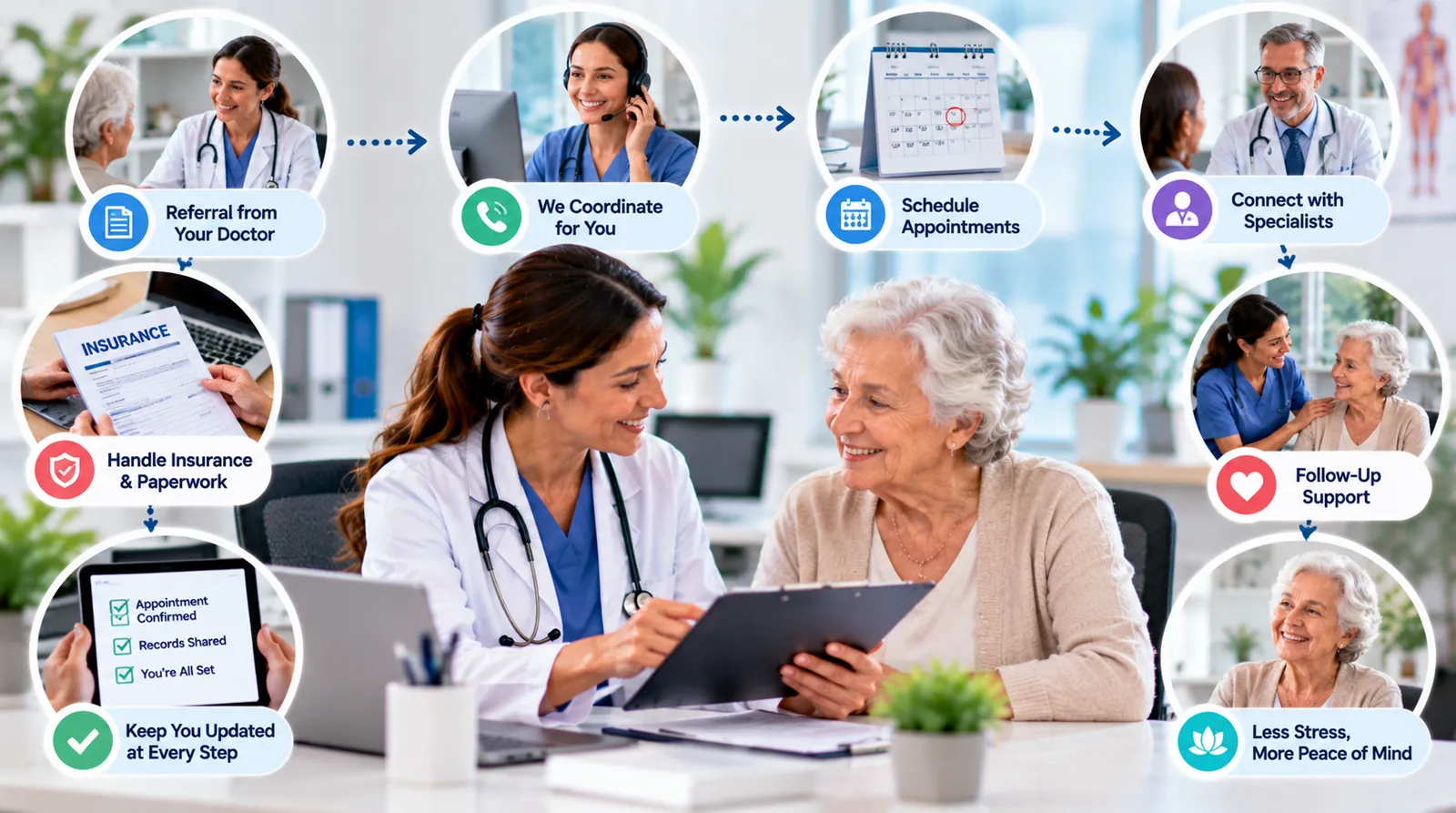
How Medical Referral Coordination Saves You Time and Stress
Getting referred to a specialist should feel like a next step, not a new problem to solve on your own. Yet for many patients, a referral means chasing down phone numbers, confirming insurance.
Medically reviewed by Kel Healthcare Medical Team
Read Article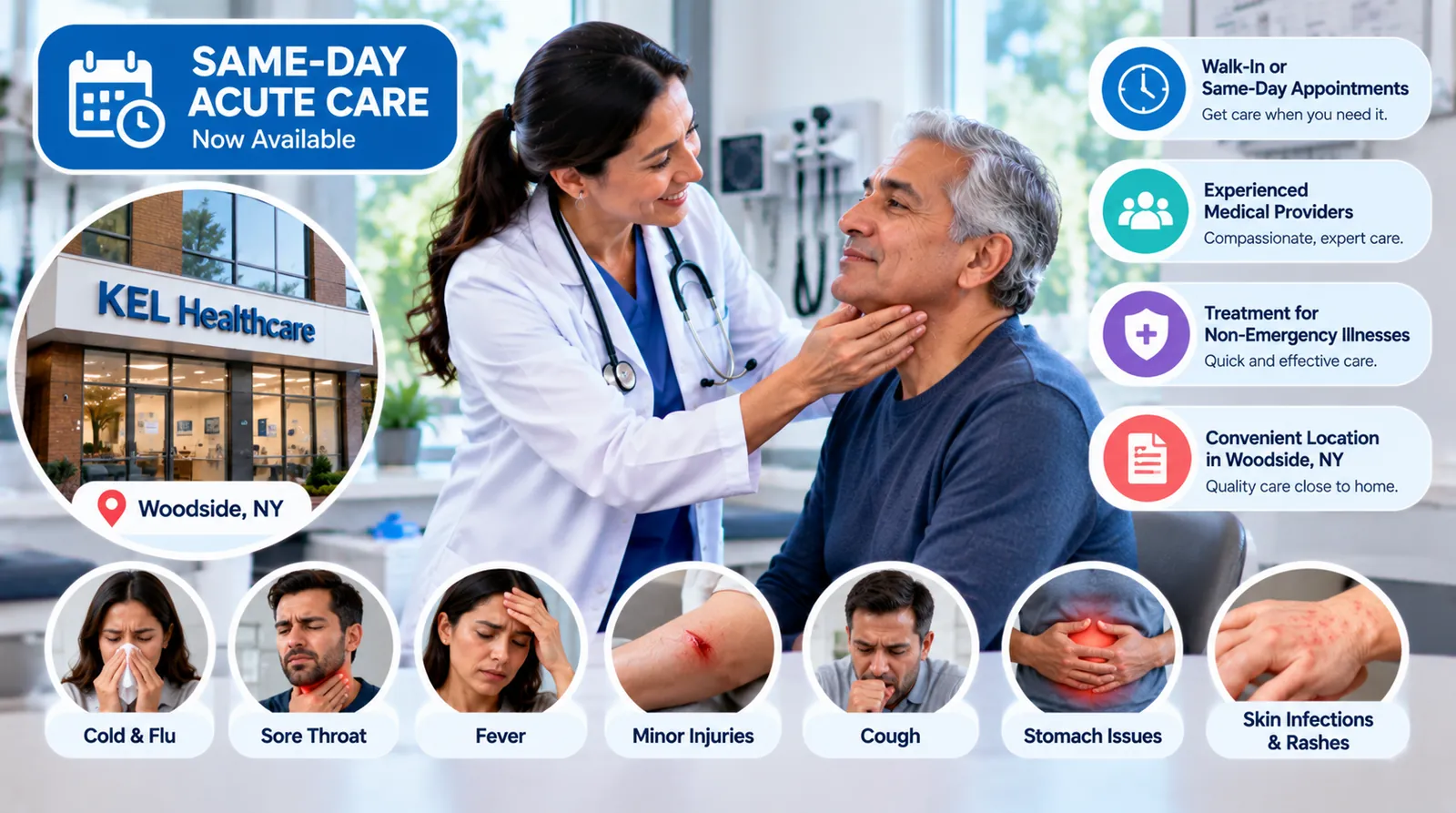 Same-Day Acute Care
 Woodside NY Now Available at KEL Healthcare
Getting sick or hurt rarely happens on a convenient schedule, which is exactly why KEL Healthcare now offers same-day acute care Woodside, NY patients can count on when something needs attention.
Medically reviewed by Kel Healthcare Medical Team
Read Article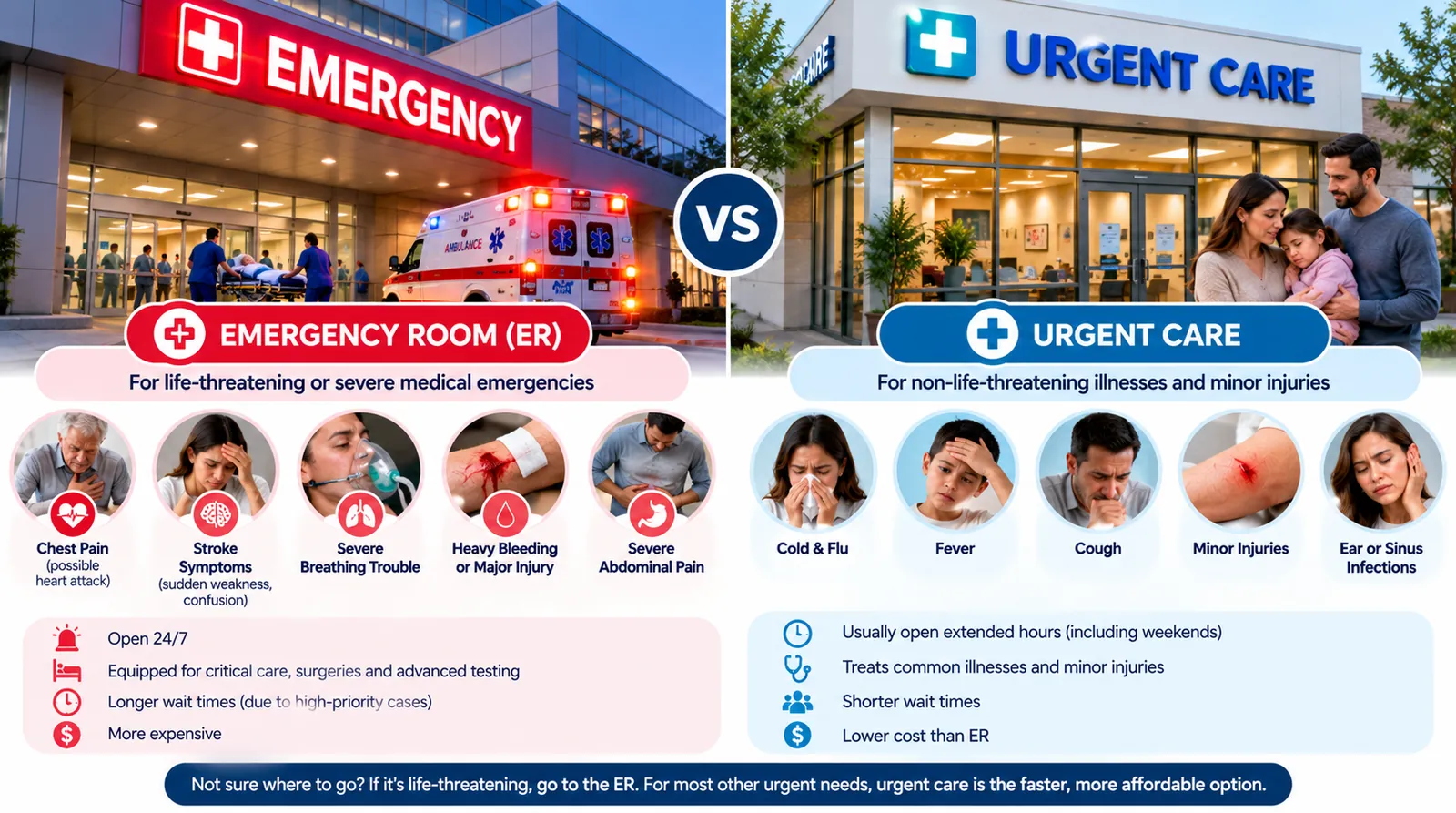 ER vs Urgent Care
: Where Should You Go for Same-Day Acute Care?
When something feels wrong, and you need care fast, the last thing you want is to waste time deciding where to go. The ER vs urgent care decision trips up a lot of people, and choosing wrong can.
Medically reviewed by Kel Healthcare Medical Team
Read Article