Chronic Disease ManagementBy Kel Healthcare Team
Chronic Disease Management in Brooklyn, NY: The Numbers to Track and How Often to Check In
Living with diabetes, high blood pressure, asthma or high cholesterol in Brooklyn? Learn which numbers matter, what a follow-up visit covers and how KEL Healthcare's Crown Heights clinic supports ongoing care.

Introduction
Living with a long-term condition is not about one big decision. It is about a steady rhythm of small ones: taking medicine, checking a reading, showing up for a follow-up. For many neighbors searching for chronic disease management in Brooklyn, NY, the hardest part is knowing what to measure and how often to check in.
This guide explains the numbers clinicians commonly track for diabetes, high blood pressure, high cholesterol, asthma and kidney health, what a follow-up visit covers, and how KEL Healthcare's Brooklyn clinic on Bedford Avenue supports ongoing care. Targets are individual, so treat the examples here as conversation starters, not personal goals.
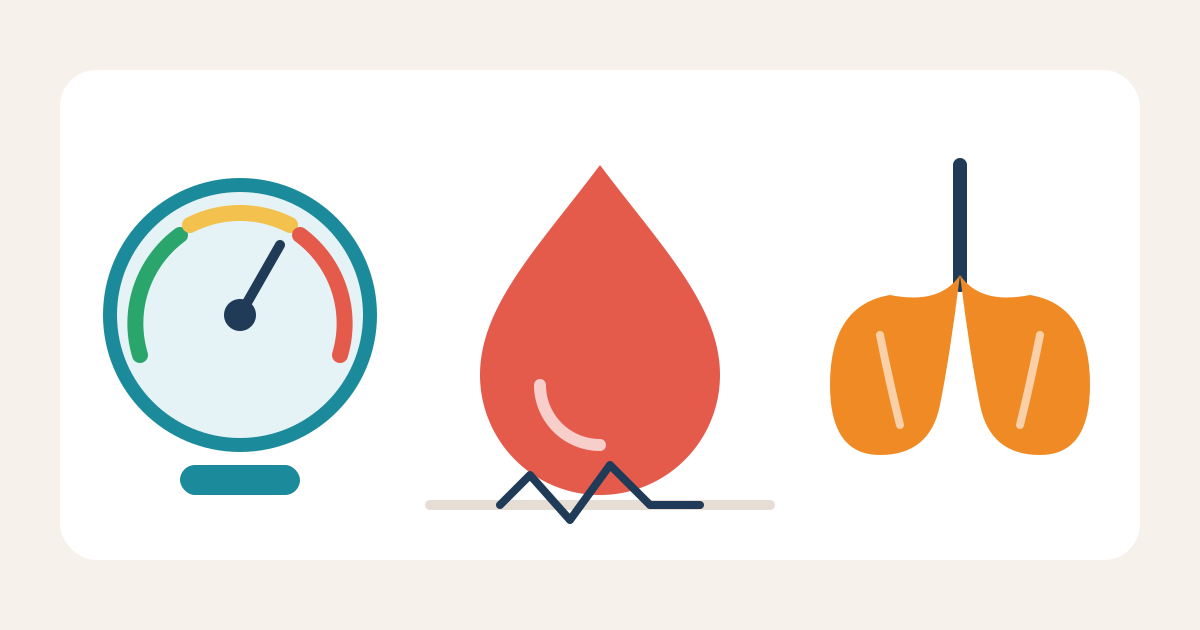
What Chronic Disease Management Actually Involves
Chronic conditions such as heart disease, diabetes and asthma are among the leading causes of illness and disability in the United States, according to the CDC. The encouraging part is that many are manageable. Chronic disease management means regular visits, tests, medication reviews and practical coaching so that small problems are caught before they become big ones.
At KEL, chronic disease management is part of a broader primary care relationship, so your clinician sees the whole picture rather than one condition at a time.
The Numbers Clinicians Commonly Track
| Condition | What is commonly tracked | Why it matters |
|---|---|---|
| High blood pressure | Home and office blood pressure readings | Many adults are advised to aim below 130/80, but your goal depends on your health; see the CDC's high blood pressure pages |
| Diabetes | A1C (a 2-3 month blood sugar average), glucose readings, kidney tests, eye and foot exams | Many non-pregnant adults are given an A1C goal near 7%, but targets vary; see the CDC's diabetes pages |
| High cholesterol | Lipid panel (LDL, HDL, triglycerides) | Guides decisions about heart risk and medicines |
| Asthma | Symptom days, rescue-inhaler use, peak flow, flare-ups | Shows whether your asthma is well controlled; see the CDC's asthma pages |
| Kidney health | eGFR (kidney function) and urine albumin | High blood pressure and diabetes can affect the kidneys, so these are often checked at least yearly |
How often you are checked depends on whether your numbers are on target, which medicines you take and any other conditions you have. As a rough pattern, people who are stable may be seen less often than people whose readings or symptoms are changing. Your clinician will set the rhythm that fits you.
Lab-based numbers require blood or urine tests. Our guides to blood work and lab tests in Brooklyn and diagnostic testing in Brooklyn explain how to prepare, and KEL's diagnostic testing service keeps results close to your care team.
What a Follow-Up Visit Usually Covers
Every visit is different, but a chronic care follow-up often looks like this:
- Review your home readings, symptoms and any changes since your last visit.
- Check vital signs and examine areas related to your condition.
- Order or review labs and other tests.
- Go over your medicines: what is working, side effects, refills and cost concerns.
- Talk about food, activity, sleep and stress, with practical changes you can actually keep.
- Coordinate referrals, such as eye, kidney, heart or lung specialists, if needed.
- Set your next check-in and what to do if numbers move out of range.
If lifestyle changes feel overwhelming, KEL's lifestyle counseling service offers support on nutrition, activity, sleep and stress.
Habits That Make Every Visit More Useful
- Log your readings. Write down blood pressure or glucose results with the date and time, and bring the log or your meter.
- Measure consistently. Take blood pressure at the same time of day, seated and rested, as your clinician instructs.
- Bring all your medicines. Include inhalers, supplements and over-the-counter products.
- Review inhaler technique. A quick demonstration can make a real difference for asthma control.
- Do not stop medicine on your own. Call first if cost, side effects or confusion are getting in the way.
- Keep your appointments. Consistent follow-up is what keeps small changes from turning into big ones.
The American Heart Association also offers helpful guidance on managing high blood pressure at home.
When to Call Sooner, and When to Call 911
Call the clinic if your readings are outside the ranges your clinician gave you, if symptoms are getting worse, or if you have new side effects from a medicine. For something that is not an emergency but cannot wait, see our article on walk-in or appointment primary care in Crown Heights.
Call 911 or go to the nearest emergency department for chest pain or pressure, trouble breathing, stroke symptoms such as face drooping, arm weakness or speech difficulty, fainting, or confusion. KEL is an outpatient clinic and cannot provide emergency care.
Caring for Older Adults and Coordinating the Team
Older adults often manage several conditions and medicines at once, which raises the chance of interactions. KEL's geriatric care service includes medication reviews and fall-risk checks, and our geriatric care guide for Crown Heights shares practical tips for families. When you need a specialist, KEL's referral services help coordinate the hand-off so your records follow you.
For a closer look at two of the most common conditions, read Managing Diabetes and High Blood Pressure with a Crown Heights Doctor. If you are still choosing a doctor, see Top Primary Care Doctors in Brooklyn, NY and How to Choose a Primary Care Doctor in Crown Heights.
Visiting KEL Healthcare in Brooklyn
The Brooklyn clinic is at 1530 Bedford Avenue, Brooklyn, NY 11216, in Crown Heights. Listed hours are Tuesday and Thursday from 9 AM to 4 PM. Schedules can change, so please call (718) 874-2832 to confirm. Check the MTA website for current subway and bus routes. Insurance networks vary, so confirm your plan when you book, and if you need coverage, NY State of Health is New York's official marketplace.
Conclusion
Managing a chronic condition is a partnership. You bring daily habits and honest numbers, and your care team brings testing, medicine management and a plan that adapts as your health changes.
To get started, book an appointment, contact KEL Healthcare or call (718) 874-2832. This article is for general education and does not replace personal medical advice. In an emergency, call 911.
Frequently Asked Questions
More from our blog
 Primary Care
Family Medicine Clinic in Wading River, NY: How to Organize Your Family's Health Records, Appointments and Care Plans
Keeping a household's health straight takes a system. Learn how to build a health folder, track medications and checkups, share family history and use a Wading River family medicine clinic as your home base.
Medically reviewed by Dr. Karl E. Latortue, MD
Read Article Primary Care
Medical Center in Woodside, NY: What to Look For and What KEL Healthcare Offers
Searching for a medical center in Woodside, NY? Learn what the term really means, a 7-point checklist for choosing one, and the services available at KEL Healthcare on Roosevelt Avenue.
Medically reviewed by Dr. Karl E. Latortue, MD
Read Article Primary Care
Medical Health Care Services in Staten Island, NY: A Cold-Weather Guide to Flu, Vaccines and Same-Day Care
Flu season is here. See which medical health care services in Staten Island, NY help most this winter, from vaccine conversations and same-day visits to chronic care follow-up, and when to head to the ER.
Medically reviewed by Dr. Karl E. Latortue, MD
Read Article