Hypertension in SeniorsBy Kel Healthcare Medical Team
Hypertension in Seniors: The Most Common Condition After 65
Ask most doctors what the single most common health condition is after age 65, and the answer is almost always the same: hypertension. Depending on how it's measured, somewhere between 58% and.
Introduction
Ask most doctors what the single most common health condition is after age 65, and the answer is almost always the same: hypertension. Depending on how it's measured, somewhere between 58% and nearly 75% of adults 65 and older have high blood pressure, and that share climbs even higher among adults in their 80s and 90s. Hypertension in seniors isn't a rare complication of aging; it's closer to the default state of the American cardiovascular system after retirement age.
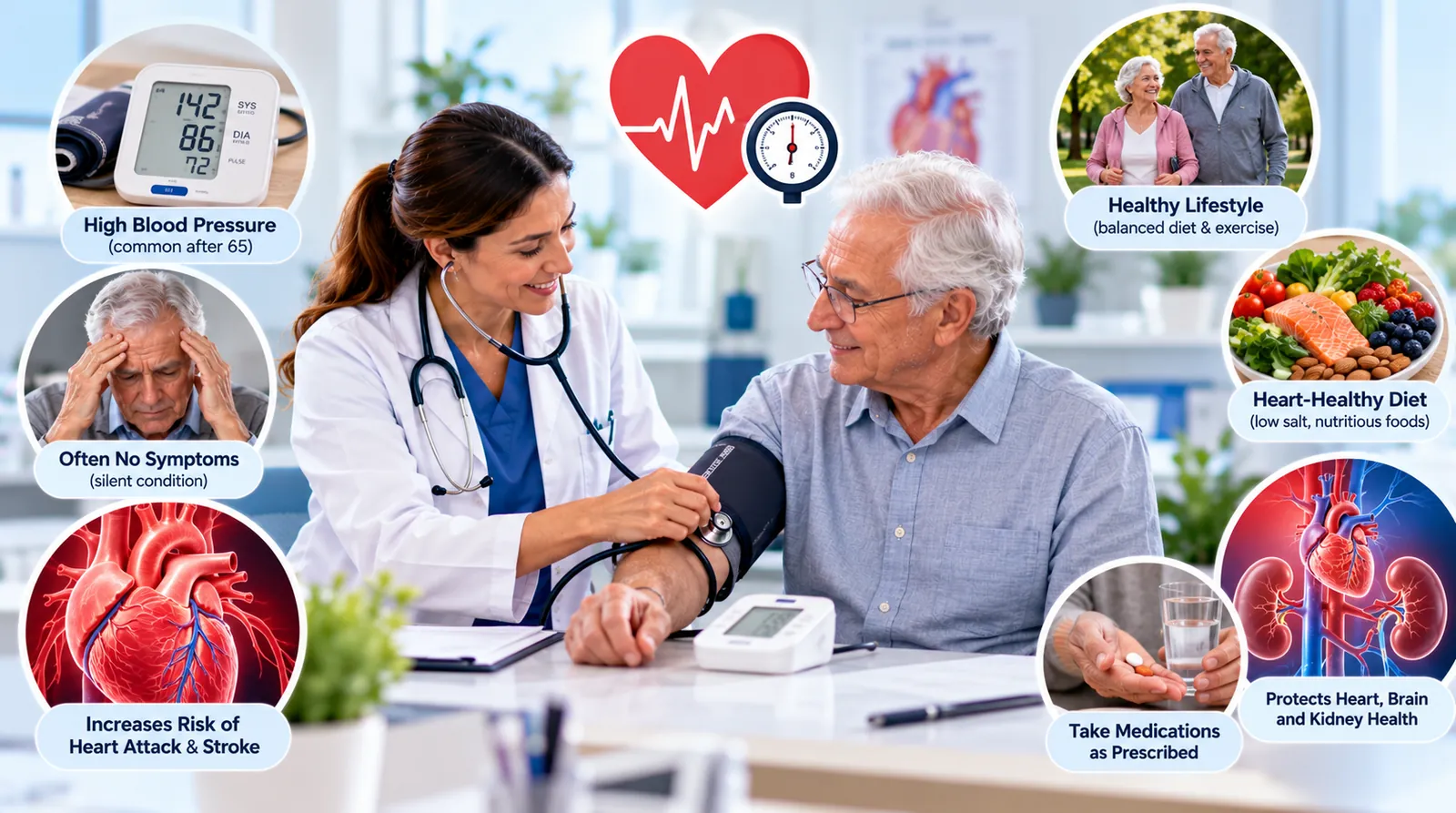
What makes hypertension particularly important to understand isn't just how common it is, but how quietly it operates. High blood pressure typically produces no symptoms at all, even as it steadily damages blood vessels, the heart, the kidneys, and the brain. That combination extremely common and largely silent is exactly why high blood pressure elderly statistics get so much attention from public health researchers, and why regular screening matters more here than in almost any other chronic condition.
Just How Common Is Hypertension in Seniors?
The Headline Numbers
National data consistently shows hypertension as the top chronic condition among older Americans. CDC survey data covering 2021–2023 found that a large majority of adults age 60 and older met the clinical definition of hypertension, and more recent trend analyses have put measured hypertension prevalence in adults 65 and older at close to three in four. Even using a more conservative, self-reported definition, where someone recalls being told by a doctor they have high blood pressure, CDC data still puts the figure at roughly 58–59% of seniors.
It Climbs Higher With Age
The trend doesn't level off after 65. CDC data on adults 85 and older found hypertension affects about 67% of this group, making it the single most common chronic condition in the oldest-old population, ahead of arthritis and high cholesterol. Women in this age group showed a notably higher rate than men, a pattern that shows up consistently across multiple studies of hypertension in seniors.
What Counts as High Blood Pressure in Older Adults?
Current Clinical Definitions
Hypertension is generally defined as a systolic blood pressure of 130 mmHg or higher, a diastolic blood pressure of 80 mmHg or higher, or current use of blood pressure medication. This threshold, adopted from the American College of Cardiology and American Heart Association guidelines, is stricter than older definitions that used 140/90 as the cutoff one reason prevalence numbers can look different depending on which study or year you're comparing.
Why the Definition Matters for Seniors Specifically
Because blood pressure naturally tends to rise with age, a large share of older adults sit close to this threshold even without a formal diagnosis. This is part of why regular blood pressure checks remain one of the most valuable items on any preventative care checklist for older adults; a single missed reading can mean a year or more before elevated blood pressure gets caught and addressed.
High Blood Pressure Elderly Statistics: What the Data Shows
Prevalence by Age Group
High blood pressure elderly statistics show a clear age gradient: prevalence rises steadily through each decade of adulthood, reaching its highest point in adults over 60. One large NHANES-based analysis found that adults 65 and older had a prevalence nearly three times higher than adults under 45, underscoring how strongly age itself drives risk independent of other factors.
Cost and Health System Burden
Beyond individual health, hypertension in seniors carries a high cost. CDC estimates put the annual cost of high blood pressure care in the United States at roughly $219 billion, with a large share of that burden concentrated in the older adult population, where hypertension often coexists with other chronic conditions requiring coordinated treatment.
Why Hypertension Becomes More Common With Age
Vascular Changes Over Time
As blood vessels age, their walls naturally stiffen and lose elasticity, which raises the pressure needed to move blood through the body. This is a normal part of aging, but it means blood pressure tends to climb even in people who haven't changed their diet, activity level, or weight. Kidney function also gradually declines with age, and since the kidneys play a central role in regulating blood pressure, this decline contributes further to rising numbers.
Compounding Effects From Other Conditions
Hypertension rarely develops in isolation. Conditions like obesity, type 2 diabetes, and chronic kidney disease all raise blood pressure risk, and all become more common with age. This overlap is a major reason diabetes and hypertension are so frequently managed together as a single care plan rather than as two separate conditions. Treating one in isolation often means missing warning signs in the other.
Why Hypertension in Seniors Often Goes Underdiagnosed or Undertreated
The "Silent" Symptom Problem
Because high blood pressure rarely causes noticeable symptoms, many seniors don't realize they have it until a routine check or, in more serious cases, until a cardiovascular event like a stroke or heart attack occurs. CDC data show that among adults with hypertension, a substantial share still don't have their blood pressure under control even when they're on medication, pointing to gaps in monitoring and treatment adjustment over time.
Barriers Unique to Older Adults
Seniors managing multiple chronic conditions may already be taking several medications, which can make it harder to track whether a new blood pressure prescription is working as intended, or whether side effects from one medication are affecting another. Cost, transportation to follow-up appointments, and simple forgetfulness also play a role, particularly for seniors without a caregiver helping coordinate care.
Managing Hypertension in Seniors: What Actually Works
Home Monitoring and Regular Checkups
Consistent blood pressure monitoring at home, at pharmacy kiosks, or during regular checkups remains the most effective way to catch rising numbers early. Adding a blood pressure check to a standard preventative care checklist, rather than treating it as an occasional afterthought, helps ensure it doesn't get missed between annual physicals.
Lifestyle Adjustments That Move the Needle
Reduced sodium intake, regular physical activity appropriate to mobility level, weight management, and limiting alcohol all have measurable effects on blood pressure, even in people already taking medication. These changes tend to work best when introduced gradually and paired with medical guidance, rather than attempted all at once.
Coordinated Medication Management
For seniors managing hypertension alongside diabetes, high cholesterol, or kidney disease, a coordinated approach to diabetes and hypertension management tends to produce better results than managing each prescription separately. This typically means a single provider or care team reviewing all medications together, watching for interactions, and adjusting treatment as conditions change over time.
Conclusion
Hypertension in seniors isn't an unusual diagnosis; it's the most common chronic condition in older adults, affecting well over half and, by some measures, nearly three in four people past 65. What makes it worth taking seriously isn't just how widespread it is, but how quietly it can progress without regular monitoring. The good news is that hypertension responds well to consistent management: routine blood pressure checks, coordinated care for related conditions like diabetes, and steady lifestyle adjustments can meaningfully reduce risk at any age. If it's been more than a year since your blood pressure was checked, that's a reasonable place to start.
Frequently Asked Questions
More from our blog
 chronic conditions
Chronic Conditions in Seniors: Why Nearly 90% Have at Least One
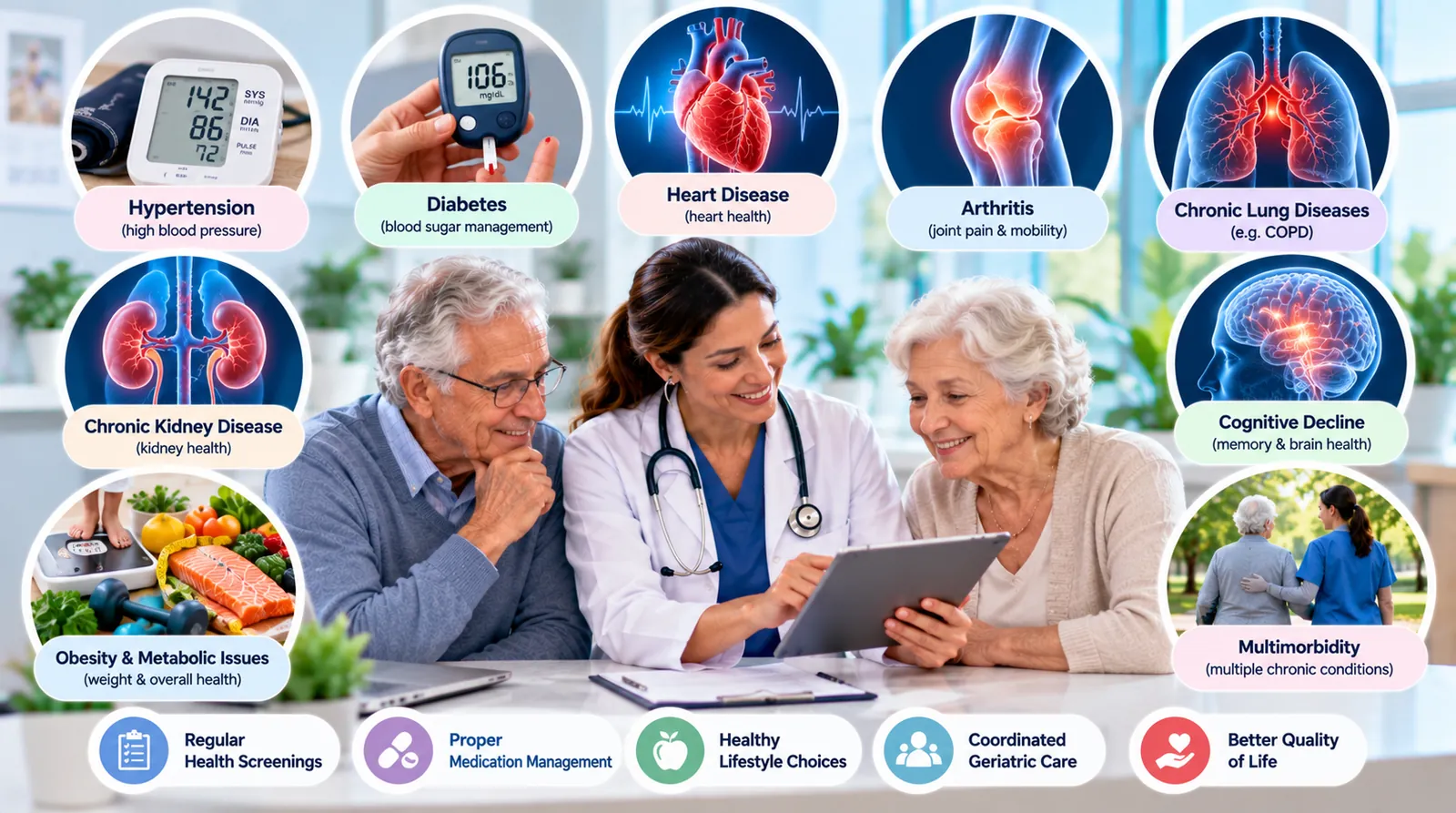
If you're over 65, the odds are that you're already managing a chronic condition, and if you're not, you almost certainly know someone who is. According to the National Council on Aging, about 93%.
Medically reviewed by Kel Healthcare Medical Team
Read Article Bone Density Screening
 for Seniors: Why Osteoarthritis Raises Fall Risk
Every year, more than 14 million older adults in the United States, roughly 1 in 4 people age 65 and older, experience a fall, according to the CDC. Falls remain the leading cause of both fatal.
Medically reviewed by Kel Healthcare Medical Team
Read Article Medical Referral
How Medical Referral Coordination Saves You Time and Stress
Getting referred to a specialist should feel like a next step, not a new problem to solve on your own. Yet for many patients, a referral means chasing down phone numbers, confirming insurance.
Medically reviewed by Kel Healthcare Medical Team
Read Article