Chronic DiseaseBy Kel Healthcare Team
Managing Multiple Chronic Conditions: Why Coordinated Care Makes a Difference
Juggling multiple conditions and specialists is hard. Learn why coordinated care matters and how your primary care provider can keep treatments, medications, and appointments working together.

Introduction
Managing one chronic condition takes effort. Managing two, three, or more, each with its own specialist, medications, and appointments, can feel like a full-time job. Without coordination, details slip through the cracks and treatments can unintentionally work against each other.
Coordinated care keeps everything connected. It is one of the foundations of effective chronic disease management.
The Problem With Fragmented Care
When care isn't coordinated, problems can include:
- Duplicate tests or conflicting recommendations
- Medication interactions between prescriptions from different providers
- Missed follow-ups after a hospital stay or specialist visit
- Treatments for one condition that worsen another
- Patients left to relay information between offices on their own
Primary Care as the Hub
A primary care provider is often the one clinician who sees the whole picture. They know your history, track your overall progress, and can interpret specialist recommendations in the context of everything else going on in your health.
| Role | What Your Primary Care Provider Does |
|---|---|
| Central record | Keeps your conditions, medications, and results in one place |
| Medication oversight | Checks for interactions and duplication across prescribers |
| Referral management | Connects you with specialists when needed and shares relevant history |
| Follow-up | Reviews specialist and hospital recommendations and updates your plan |
| Prevention | Keeps screenings and vaccinations on track alongside chronic care |
How You Can Support Coordination
- Keep an up-to-date list of conditions, medications, supplements, and allergies
- Bring that list, along with your home readings, to every appointment
- Ask specialists to send notes to your primary care provider
- Write down questions before visits and take notes during them
- Tell your primary care provider about any hospital or urgent care visit
- Bring a trusted family member or friend to important appointments
Working With Specialists
Referrals are valuable when a condition is complex, unresponsive to treatment, or needs procedures or expertise beyond primary care. A good referral comes with a clear question, relevant records, and a plan for how the results will be used afterward.
After a Hospital Stay
Time after discharge from a hospital is a vulnerable period. A follow-up visit with your primary care provider soon afterward helps review new medications, confirm instructions, and catch problems early.
Conclusion
When you have more than one chronic condition, coordination is not a luxury. It is what keeps treatments consistent and your care from becoming fragmented. A primary care provider who sees the full picture is often the best anchor for your health.
If you're juggling several specialists and aren't sure everyone is on the same page, a primary care visit focused on care coordination is a good place to start.
Frequently Asked Questions
More from our blog
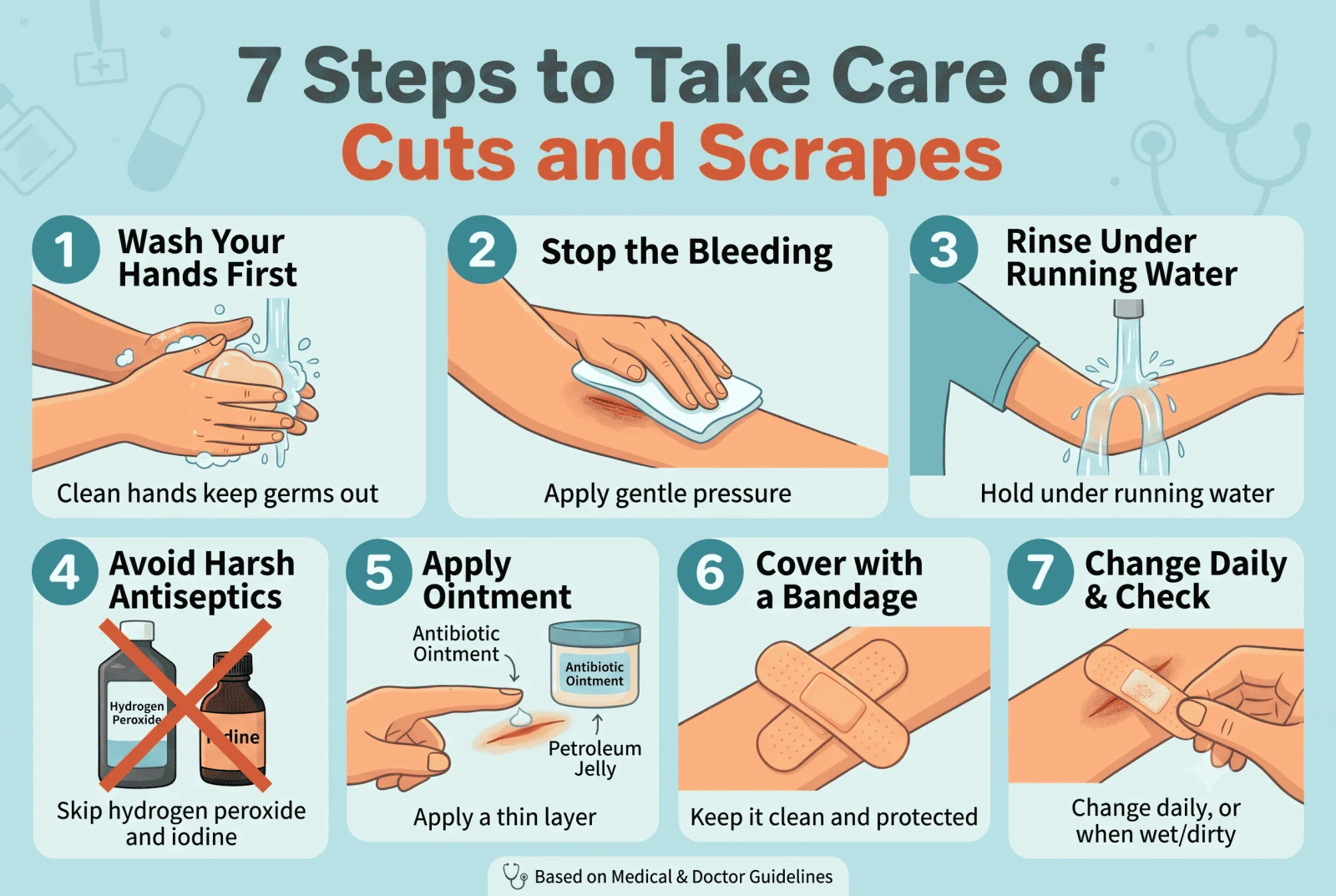 What Should Go on a Cut
Taking Care of Cuts and Scrapes
Most minor cuts heal well at home, but a rushed rinse or the wrong antiseptic can slow healing and invite infection. Seven simple steps keep the wound clean, covered, and safe.
Medically reviewed by Dr. Karl E. Latortue, MD
Read Article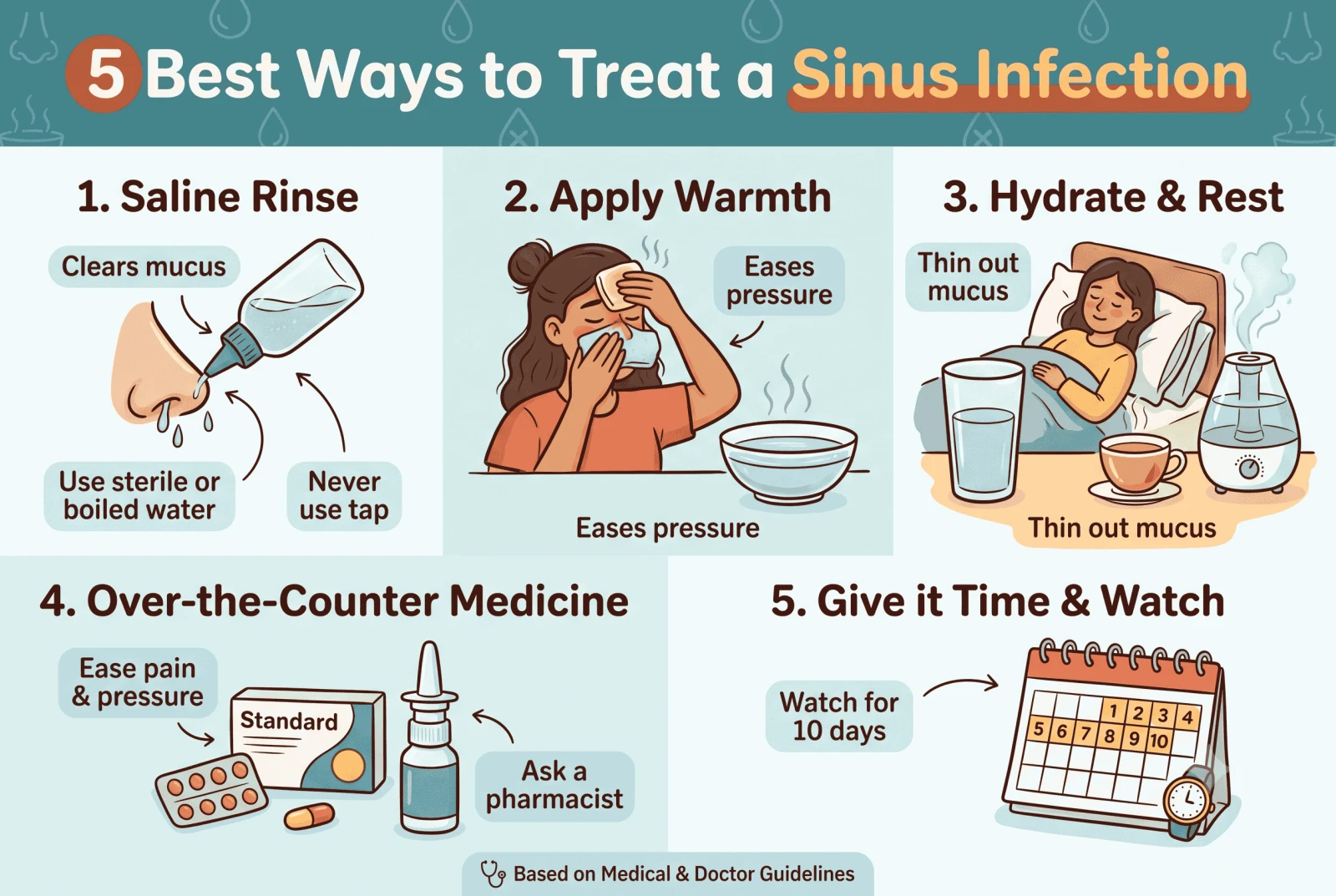 Treat a Sinus Infection
5 Best Ways to Treat a Sinus Infection
More than 90% of acute sinus infections are viral, which is why antibiotics rarely speed recovery. Five simple home treatments ease the pressure while your body does the healing.
Medically reviewed by Dr. Karl E. Latortue, MD
Read Article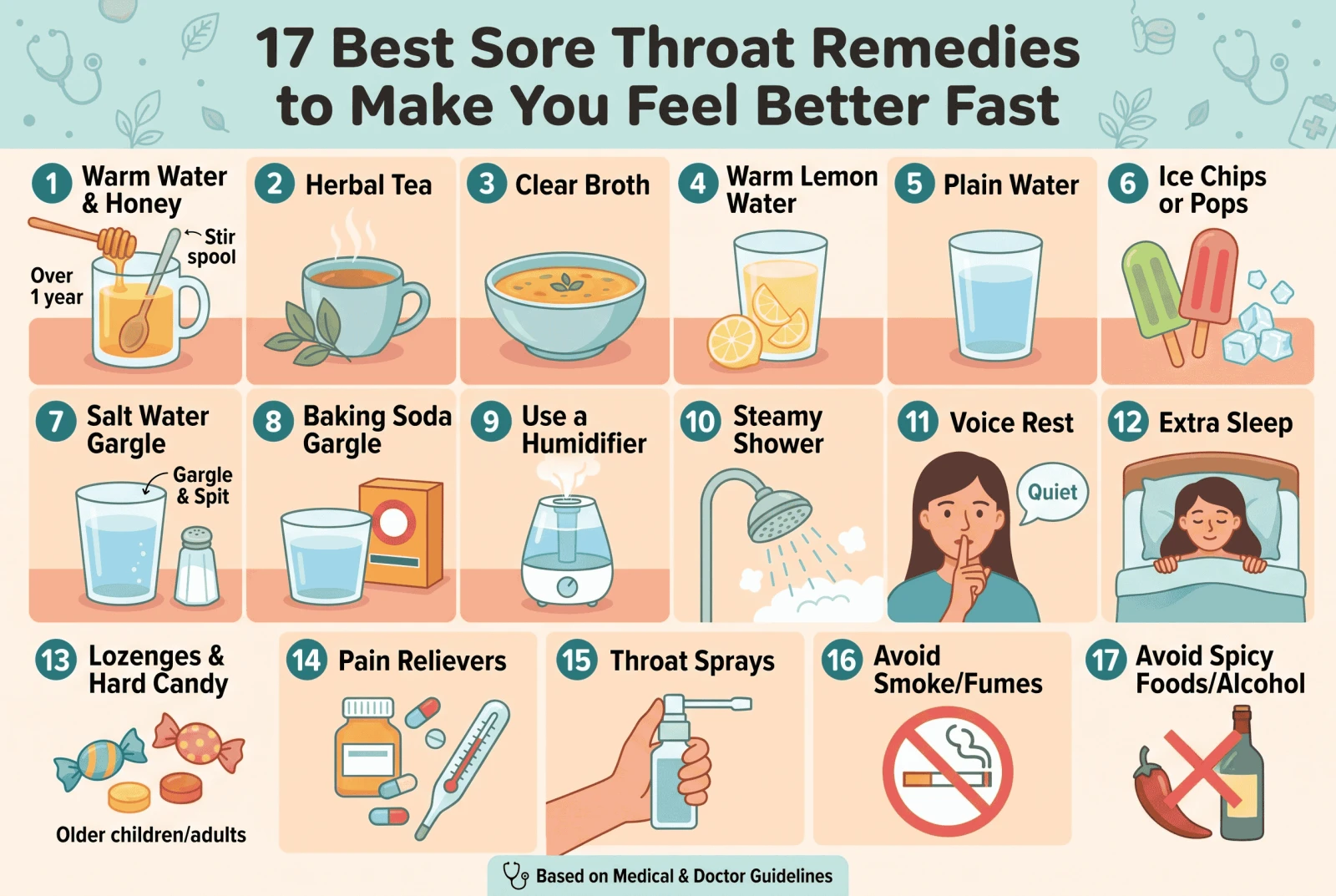 17 Best Sore Throat Remedies
 to Make You Feel Better Fast, According to Doctors
Viruses cause 85% to 95% of throat infections in adults and children under 5, according to Northwestern Medicine, citing the NIH. That means the antibiotics many people ask for won't help most of.
Medically reviewed by Dr. Karl E. Latortue, MD
Read Article