What the Research ShowsBy Kel Healthcare Medical Team
The Cost of Skipping Preventive Care: What the Research Shows
The importance of preventive care is well established in medicine, yet recent data show a widening gap between what people know they should do and what they actually do. According to a 2025.

Introduction
The importance of preventive care is well established in medicine, yet recent data show a widening gap between what people know they should do and what they actually do. According to a 2025 nationwide survey, 59% of Americans reported skipping a recommended preventive screening, a notable increase from 51% just two years earlier. That single figure captures a larger trend playing out across the country, one with real financial and health consequences. Medical Economics
Preventive care statistics USA researchers have gathered in recent years point to a system under strain: rising costs, growing distrust, and logistical barriers are pushing more people to delay the very care designed to catch problems early. The result isn't just missed appointments, it's more advanced disease, higher treatment costs, and outcomes that could often have been avoided.
This article breaks down what the latest research actually shows about skipped preventive care, why people are avoiding it, and what the data reveals about the true cost of delay.

What the Latest Data Shows About Skipped Care
Recent survey data paints a clear picture of how widespread delayed care has become:
- 59% of Americans skipped a recommended preventive screening in the past year, up from 51% two years prior, Medical Economics
- 94% of respondents said they face at least one barrier preventing them from getting screenings on schedule Medical Economics
- More than 40% of American women reported skipping a preventive health service in the past 12 months due to cost, access, or other challenges AAFP

Why Americans Are Skipping Preventive Care
The reasons behind delayed care are varied, but a few stand out consistently across recent research:
- Fear of receiving bad news, embarrassment, scheduling conflicts, and distrust of the healthcare system were all cited as major barriers Medical Economics
- Cost concerns have risen sharply, with 34% of adults who worry about screening naming cost as their primary concern, up from 25% the prior year Washington Times
- Nearly one in five adults behind on screening pointed to distrust of the healthcare system as their reason for avoiding testing Washington Times
The Financial Squeeze Behind the Numbers
Rising insurance costs are compounding the problem, even for people who already have coverage:
- Roughly two in five insured U.S. adults reported avoiding care when sick due to cost, and 41% said they had skipped a healthcare appointment because of rising costs within the past year
- Average insurance premiums are on track to rise 5% for single coverage and 6% for family coverage, with additional increases expected as certain tax credits phase out
This creates what researchers describe as a two-sided squeeze: people are paying more simply to stay insured, while facing higher out-of-pocket costs whenever they do seek care.
Preventive Care Statistics USA: The Bigger Picture

Taken together, these figures suggest the issue isn't isolated to one demographic or one type of screening. Colonoscopies, mammograms, Pap smears, prostate exams, routine blood work, and skin checks have all seen delays, spanning nearly every major category of preventive screening recommended by health authorities.
The Real Cost of Delaying Care
The consequences of skipped preventive care tend to show up later, often in more serious and expensive forms:
- Conditions caught early are typically far less expensive to treat than those caught in advanced stages
- Delayed cancer screening, in particular, can shift diagnosis from an early, treatable stage to a later, more complex one
- Chronic conditions like diabetes and hypertension, when left undetected, often lead to costlier complications down the line
Where the Data Shows Improvement
Not all the recent research is discouraging. Some indicators suggest meaningful progress in specific areas:
- Combined cancer screening rates for breast and colorectal cancer rose from 56% to 64.5% of the eligible population between 2022 and 2024, a 15% increase, UnitedHealthcare
- This improvement was widespread, with nearly every state showing significant gains in screening participation during that period UnitedHealthcare
This suggests that targeted efforts, like reducing cost-sharing for preventive services or offering more flexible scheduling, can meaningfully shift behavior even amid broader financial pressure.
The Importance of Preventive Care Despite the Barriers
Even with rising costs and understandable hesitation, the underlying case for preventive care remains strong. Early detection consistently correlates with:
- Simpler, less invasive treatment options
- Lower overall healthcare costs over time
- Better long-term health outcomes across nearly every major condition studied
The importance of preventive care isn't diminished by the barriers people face, if anything, the data suggests those barriers are exactly what needs to be addressed, rather than a reason to accept delayed care as the norm.
What the Research Suggests Actually Helps
Based on current findings, a few strategies appear to meaningfully increase screening follow-through:
- Encouragement from family members significantly increases the likelihood someone will follow through on screening, with 70% of respondents saying they'd be more likely to get screened if urged by a loved one. Medical Economics
- Employers eliminating cost-sharing for preventive services and offering paid time off for appointments have been linked to improved screening participation UnitedHealthcare
- Clear, upfront information about what's covered by insurance appears to reduce cost-related hesitation
Conclusion
The data on the importance of preventive care tells a clear story: more Americans than ever are delaying the screenings designed to catch problems early, largely due to cost, distrust, and logistical barriers. Yet the same research shows that targeted changes, like reduced cost-sharing and family encouragement, can meaningfully improve follow-through.
Understanding these preventive care statistics USA researchers have documented isn't just an academic exercise. It's a reminder that the appointment you keep putting off is exactly the kind of care most likely to catch a problem while it's still simple, affordable, and treatable.
Frequently Asked Questions
More from our blog
 Health Assessment
How Often Should You Get a Comprehensive Health Assessment?
If you've ever typed "how often for health assessment" into a search bar right before booking (or postponing) an appointment, you're not alone. Most people know they should get checked regularly.
Medically reviewed by Kel Healthcare Medical Team
Read Article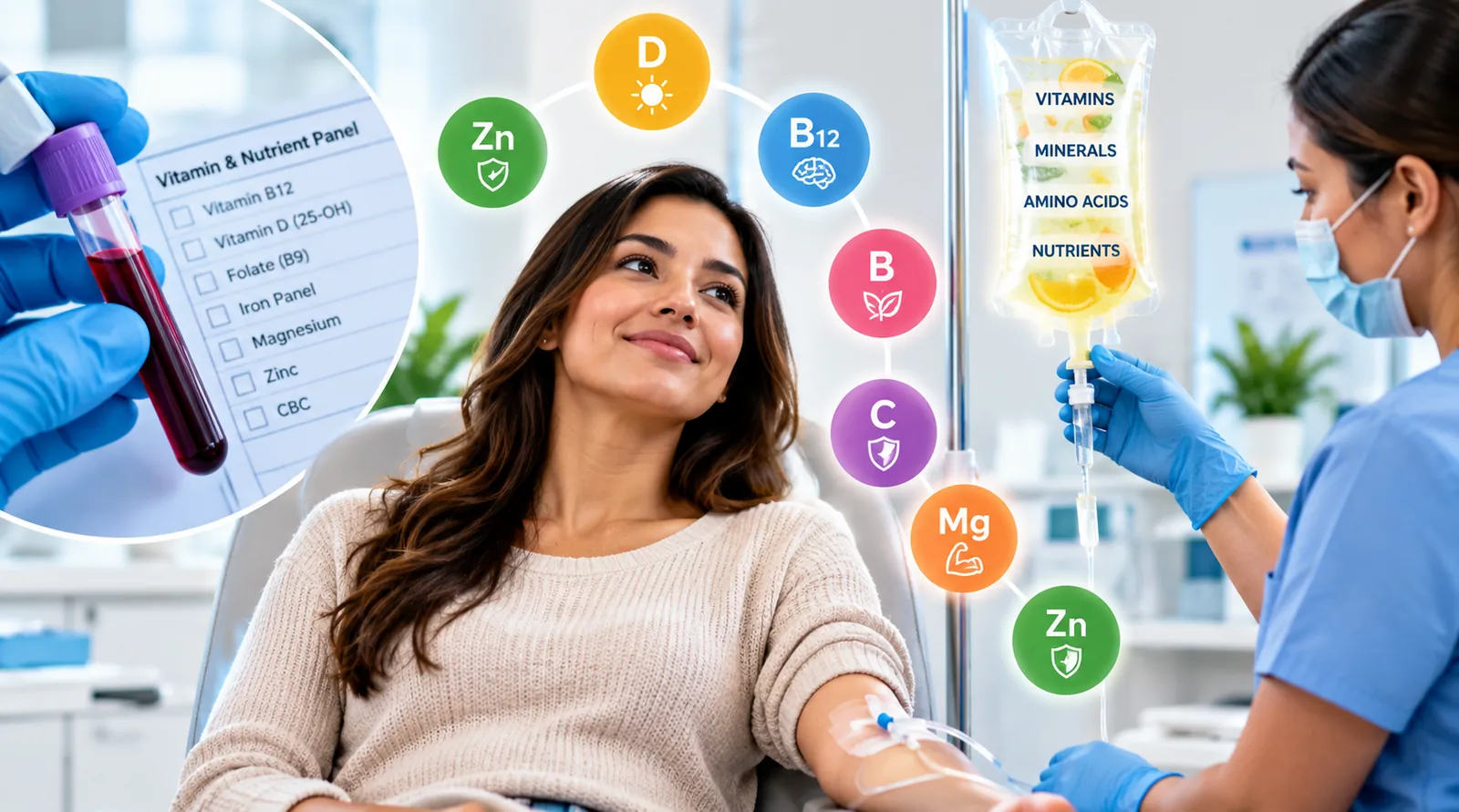 Vitamin Deficiencies
: How Bloodwork Helps Decide If You Need an Infusion
You're tired in a way that sleep doesn't really fix anymore. Maybe your hair's thinning a bit, or you bruise easier than you used to, or you just feel a little off in a way that's hard to actually.
Medically reviewed by Kel Healthcare Medical Team
Read Article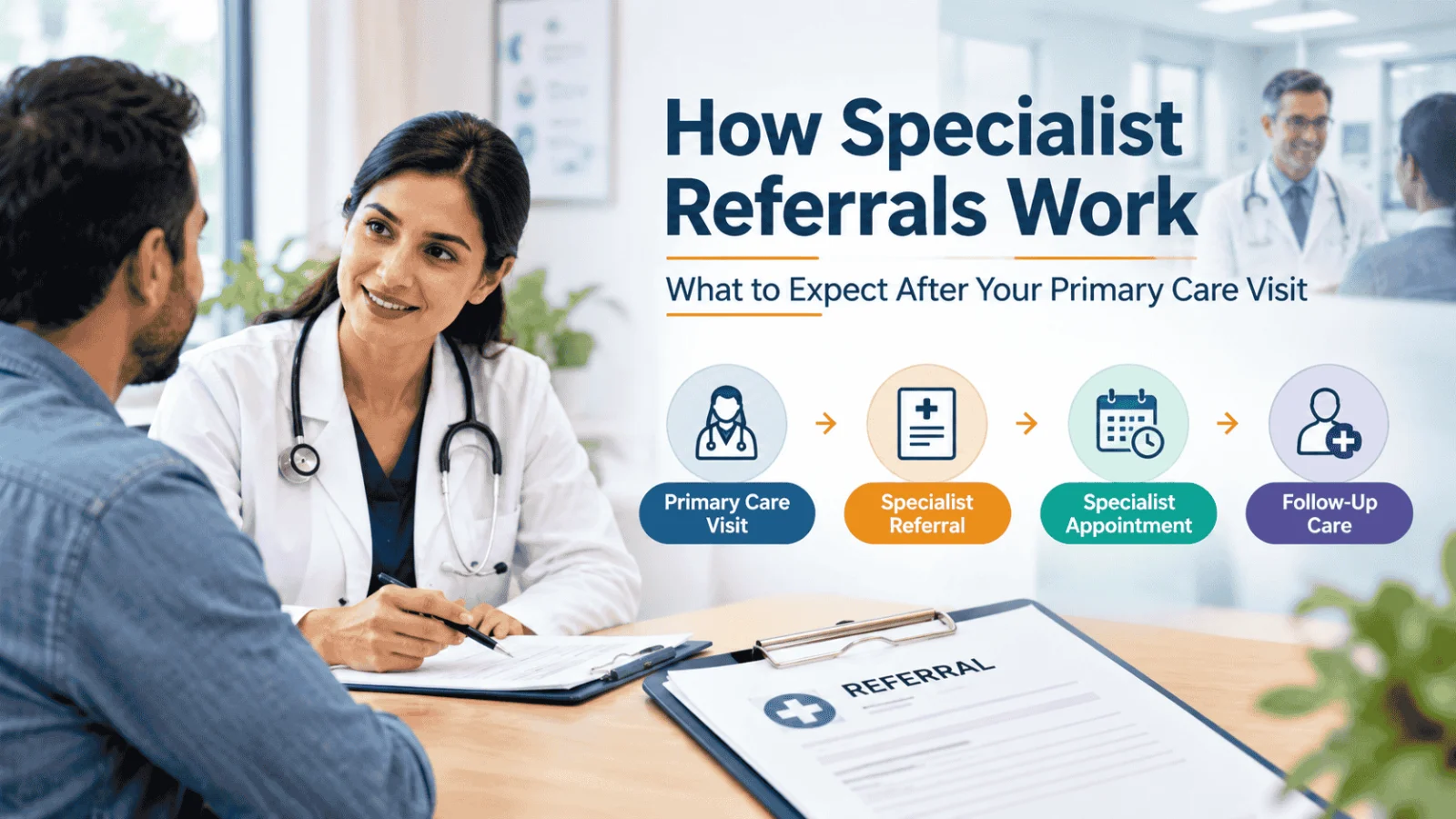 How Specialist Referrals Work
: What to Expect After Your Primary Care Visit
"You'll need to see a specialist for this" is a phrase that often leaves patients with more questions than answers. How medical referrals work isn't always explained clearly during a busy primary.
Medically reviewed by Kel Healthcare Medical Team
Read Article