Chronic DiseaseBy Kel Healthcare Team
What Is a Normal Blood Pressure Reading? Understanding Your Numbers
Learn what the two blood pressure numbers mean, how adult readings are categorized, how to measure at home accurately, and when a high reading needs urgent attention.
Introduction
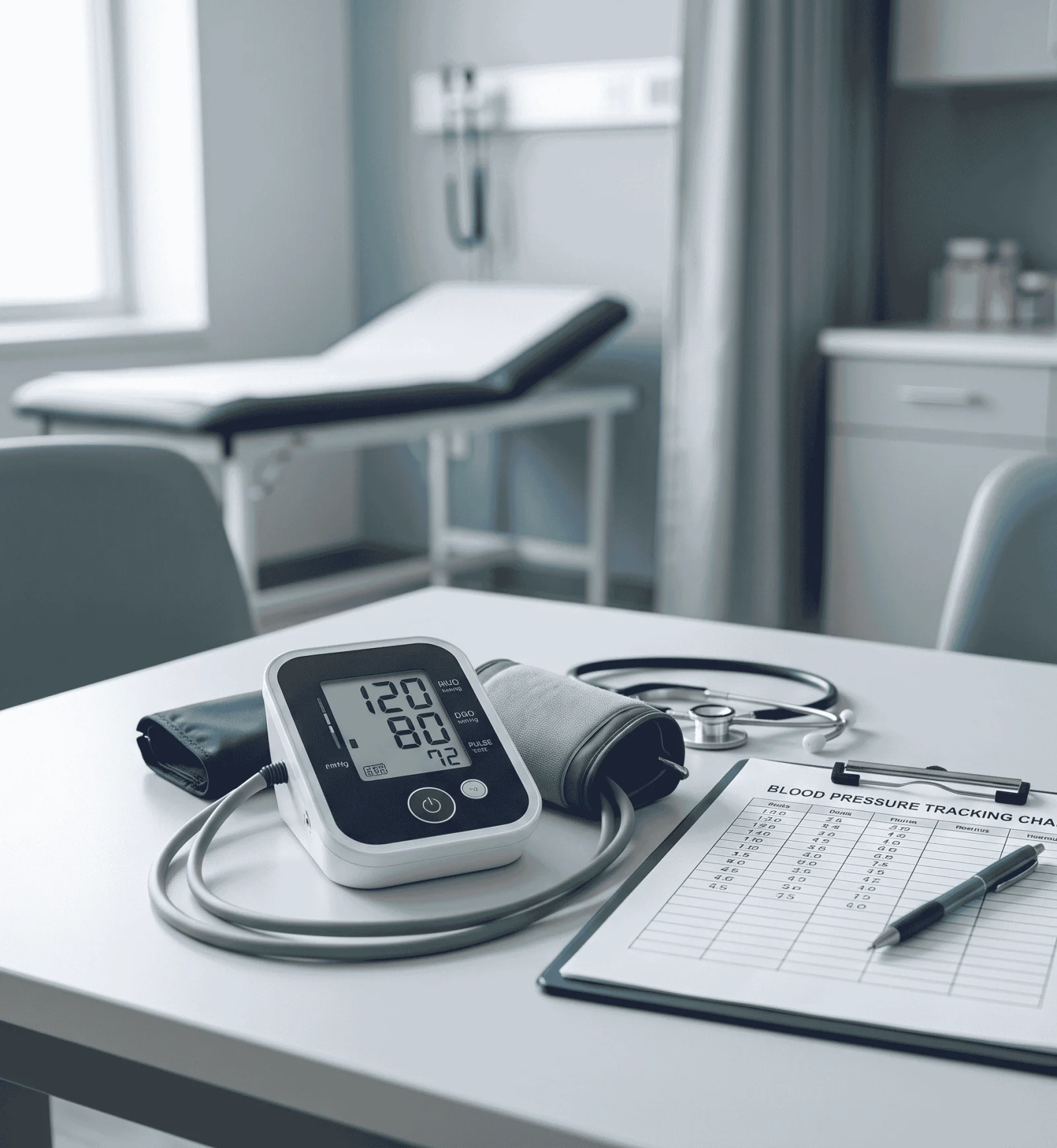
Blood pressure is one of the most useful numbers in a checkup, and one of the most misunderstood. High blood pressure usually causes no symptoms, so the only way to know where you stand is to measure it.
This guide explains the two numbers in a reading, how adult blood pressure is commonly categorized, how to check it accurately at home, and when a reading needs urgent attention.
What the Two Numbers Mean
- Systolic (top number): the pressure in your arteries when your heart beats.
- Diastolic (bottom number): the pressure between beats, when the heart rests.
A reading is written as systolic over diastolic, for example 118/76 mmHg.
Adult Blood Pressure Categories
These ranges follow the commonly used American Heart Association and American College of Cardiology categories for adults. Your clinician may use different targets based on your age and health conditions.
| Category | Systolic | Diastolic |
|---|---|---|
| Normal | Below 120 | and below 80 |
| Elevated | 120 to 129 | and below 80 |
| Stage 1 hypertension | 130 to 139 | or 80 to 89 |
| Stage 2 hypertension | 140 or higher | or 90 or higher |
| Hypertensive crisis | Higher than 180 | and/or higher than 120 |
A diagnosis of high blood pressure is not based on one reading. It is usually confirmed with repeated measurements, in the office, at home or both.
How to Measure at Home
- Use a validated upper-arm monitor with a cuff that fits your arm.
- Avoid caffeine, exercise and smoking for 30 minutes beforehand, and empty your bladder.
- Sit with your back supported, feet flat and arm resting at heart level.
- Rest quietly for five minutes before you start.
- Take two readings one minute apart, morning and evening, and write them down.
- Bring the log or the monitor to your next visit.
Why Readings Vary
Blood pressure rises and falls through the day. Stress, pain, caffeine, a full bladder, a poorly fitting cuff and even talking during the reading can push numbers up. Some people have higher readings only in a medical office, so home readings can add helpful context.
What Raises Your Risk
- A family history of high blood pressure, heart disease or stroke
- Excess weight, low physical activity and a diet high in sodium
- Heavy alcohol use and smoking
- Diabetes, kidney disease and sleep apnea
- Certain medications and supplements, so share your full list with your clinician
See MyHealthfinder's guidance on heart health. For people with both conditions, our guide on managing diabetes and hypertension explains how care plans work.
When a High Reading Is an Emergency
If your reading is above 180/120, rest for a few minutes and measure again. If it stays that high and you have chest pain, shortness of breath, back pain, numbness or weakness, vision changes, confusion or trouble speaking, call 911. Learn the warning signs of a heart attack and stroke symptoms. If you have no symptoms but the reading stays that high, call your clinician promptly.
Getting Help With Blood Pressure
KEL Healthcare lists hypertension among the conditions covered by its chronic disease management service, and lifestyle counseling can support changes in food, activity, sleep and stress. Routine screening fits into preventive care visits.
Conclusion
Know your numbers, check them the right way and share them with your clinician. Small changes made early can lower long-term risk.
To have your blood pressure checked, schedule an appointment. This article is for general information only and is not medical advice. In an emergency, call 911.
Frequently Asked Questions
More from our blog
 Preventive care
What Blood Tests Should You Get at Your Annual Physical? A Doctor's Guide
Not sure which blood tests belong in a yearly checkup? See the common panels, what each one looks for, and how your age and history change the list.
Medically reviewed by Dr. Karl E. Latortue, MD
Read Article Why Annual Well-Woman Visits Matter
Woodside Queens Women's Health: Annual Exam, Screenings and Questions to Ask
Preparing for a women's health visit in Woodside, Queens? Learn what an annual exam involves, which screenings to ask about, what to bring, and how to follow up.
Medically reviewed by Dr. Karl E. Latortue, MD
Read Article Women's Health Screening
Women's Health in Woodside, Queens: A Guide to Care at Every Age
Looking for women's health care in Woodside, Queens? See what care includes at each stage of life, what to look for in a provider, and how KEL Healthcare's Woodside clinic can help.
Medically reviewed by Dr. Karl E. Latortue, MD
Read Article