Why Annual Well-Woman Visits MatterBy Kel Healthcare Medical Team
Why Annual Well-Woman Visits Matter, Even When You Feel Fine
"I feel fine, so why do I need an appointment?" It's one of the most common reasons women delay scheduling a well-woman visit NY providers recommend every year. But feeling well and being well.
Introduction
"I feel fine, so why do I need an appointment?" It's one of the most common reasons women delay scheduling a well-woman visit NY providers recommend every year. But feeling well and being well aren't always the same thing, many gynecological and reproductive health conditions develop silently, without any noticeable symptoms until they've progressed.
An annual gynecological exam isn't just about addressing problems. It's a proactive checkpoint that catches subtle changes early, keeps preventive care on schedule, and gives you a dedicated space to ask questions about your body that might not come up anywhere else.
If it's been a while since your last visit, here's exactly why this appointment deserves a spot on your calendar every single year, feeling fine included.
What Is a Well-Woman Visit?
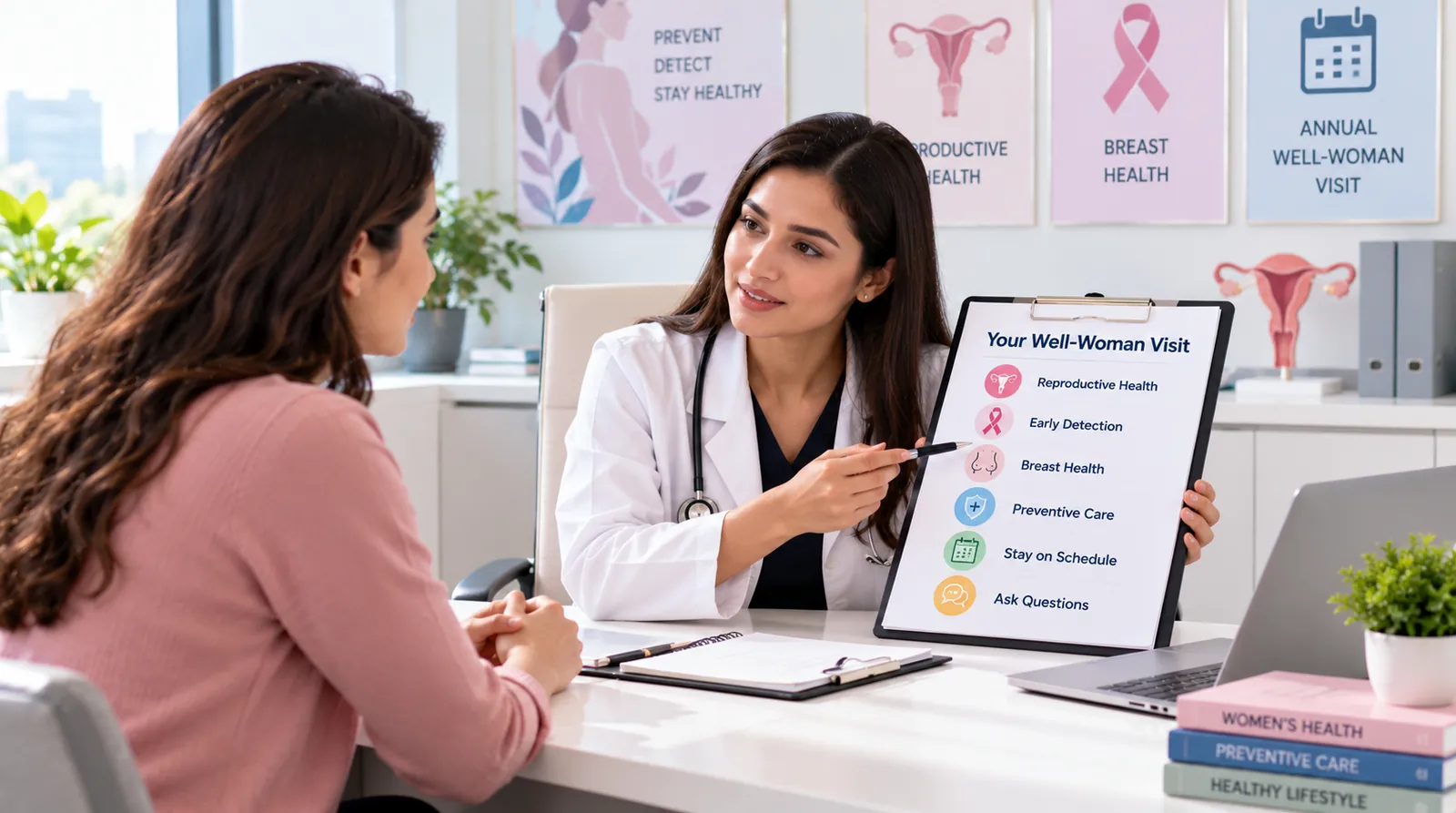
A well-woman visit is a comprehensive annual appointment focused on reproductive and overall health. It typically combines a physical exam, an annual gynecological exam, and a broader health conversation covering everything from contraception to mental well-being.
Unlike a visit prompted by a specific symptom, this appointment is designed to catch what you can't see or feel yet, which is exactly why it matters even in years when nothing seems wrong.
Why "Feeling Fine" Isn't Enough
Many gynecological and reproductive health conditions are asymptomatic in their early stages. Relying on symptoms alone means:
- Early-stage cervical changes can go undetected without a Pap smear
- Ovarian cysts or fibroids may grow silently before causing pain
- Hormonal imbalances can develop gradually, masking as normal life stress
- STIs often present with no symptoms at all in many women
Skipping your annual gynecological exam because you feel healthy means skipping the one appointment specifically designed to catch symptoms that haven't shown yet.
What Happens During an Annual Gynecological Exam
A typical visit includes:
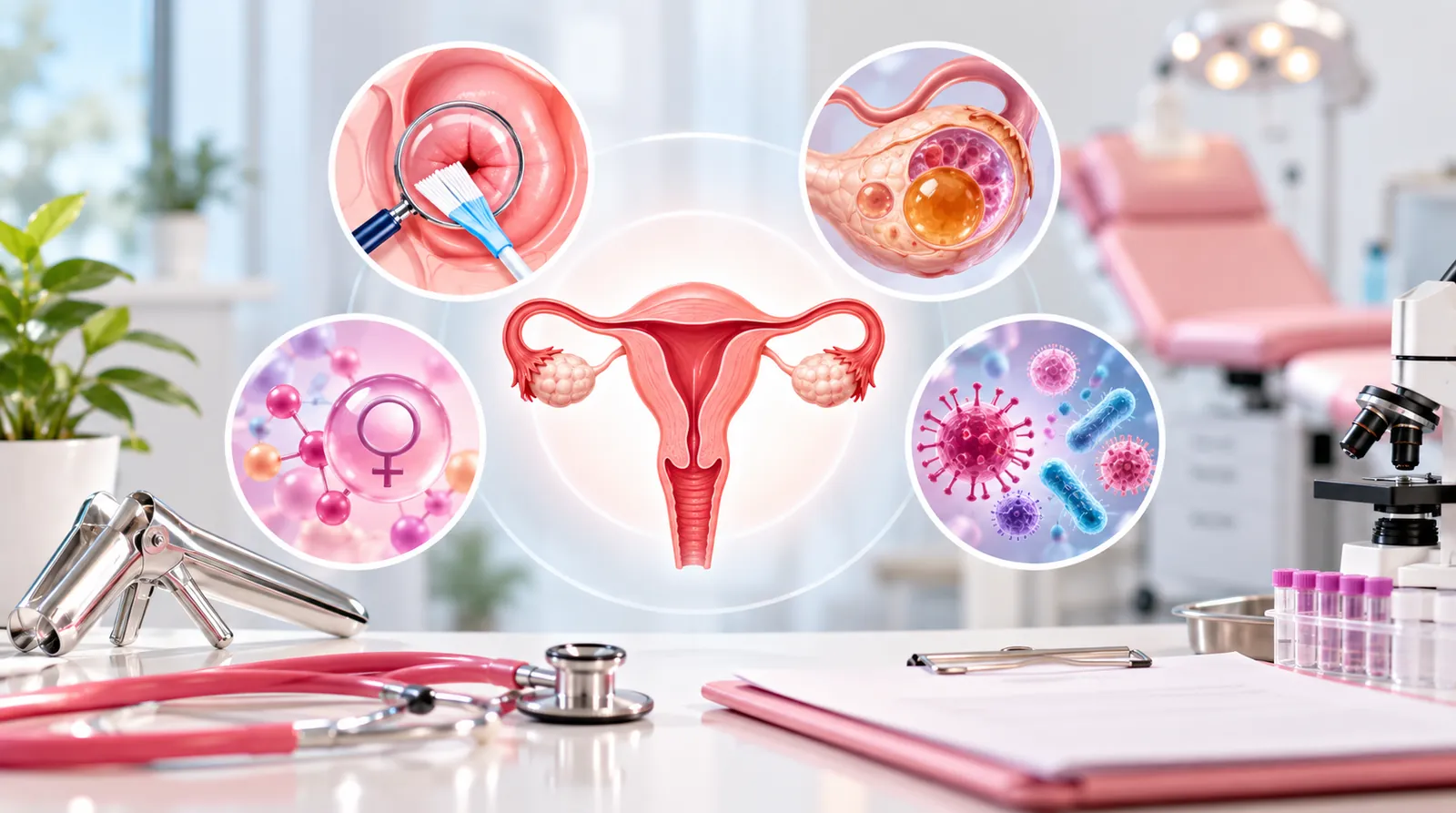
- Pelvic exam: checking the uterus, ovaries, and surrounding structures
- Pap smear: screening for cervical cell changes (per age-based guidelines)
- Breast exam: checking for lumps or changes
- Blood pressure and weight check
- STI screening: if relevant based on risk factors
- Contraception review: discussing current or new options
- General health discussion: sleep, stress, mental health, and lifestyle
The exact components can vary by age and individual health history, which is part of why a personalized conversation with your provider matters more than following a generic checklist.
Conditions That Often Have No Early Symptoms
Several conditions commonly caught during a well-woman visit produce few or no warning signs early on:
- Cervical dysplasia (precancerous cell changes)
- Uterine fibroids
- Ovarian cysts
- Early-stage endometriosis
- Certain STIs, including chlamydia and HPV
- Hormonal imbalances affecting thyroid or reproductive health
Catching these early typically means simpler treatment and better outcomes than addressing them after symptoms appear.
Benefits Beyond Physical Screening
An annual visit isn't only about physical exams, it's also a dedicated space to:
- Ask questions about symptoms you're unsure whether to mention
- Discuss family planning or fertility timelines
- Review birth control options as your needs change
- Talk through perimenopause or menopause symptoms
- Address mental health concerns tied to hormonal changes
Why Choose a Well-Woman Visit NY Providers Specialize In
Access to a well-woman visit at NY Specialists provides more than convenience, it means working with providers experienced across the full spectrum of women's health, from reproductive years through menopause and beyond. Look for a provider who:
- Offers same-week or timely scheduling
- Takes a comprehensive approach rather than a rushed, symptom-only visit
- Provides a comfortable environment for open conversation
- Has experience across all life stages, not just one area of women's health
What to Expect at Your Appointment
Most well-woman visits take 30–45 minutes and include time for both the physical exam and an open conversation. Wearing comfortable clothing and preparing a short list of questions or concerns beforehand can help you make the most of your appointment time.
Conclusion
Feeling fine is a good sign, but it isn't the same as knowing everything is fine. An annual well-woman visit, including your annual gynecological exam, remains one of the most effective ways to catch potential issues before they become noticeable problems, and to keep an open line of communication about your health as your body changes year to year.
If it's been more than a year since your last visit, now is a good time to schedule a well-woman visit. NY providers can tailor it to exactly where you are in life.
More from our blog
 Perimenopause and Menopause
: What to Expect and When to See a Doctor
Perimenopause symptoms can show up years before a woman ever expects them, often starting in the mid-to-late 40s with subtle changes that are easy to dismiss as stress or aging. Irregular cycles.
Medically reviewed by Kel Healthcare Medical Team
Read Article Women's Health Screening
 by Decade: Your 20s Through 60s
Women's health screening needs shift significantly as the decades pass, yet many women follow the same routine year after year without realizing their risk profile has changed. What matters at 25.
Medically reviewed by Kel Healthcare Medical Team
Read Article Health Assessment Every Year
Who Should Get a Comprehensive Health Assessment Every Year?
Not everyone needs the same screening schedule, but a surprising number of people fall into the group who need a comprehensive health assessment every year. Age, family history, lifestyle, and.
Medically reviewed by Kel Healthcare Medical Team
Read Article