Preventive careBy Kel Healthcare Medical Services PC.
Family History and Preventive Care: Why Your Genetics Should Shape Your Screening Schedule
Learn how your family history and genetics can influence preventive care and health screenings, helping you take proactive steps toward better long-term health.

Introduction
It's easy to treat an annual physical as optional when you feel fine. No symptoms, no problem, right? The research on this doesn't really back that instinct up. The importance of preventive care isn't really about catching illness after it starts - it's about catching the early, silent stages of conditions long before symptoms would ever prompt you to book an appointment on your own.
Why "Feeling Fine" Isn't the Same as "Being Fine"
Many of the most common chronic conditions high blood pressure, high cholesterol, prediabetes, early kidney disease - produce few or no noticeable symptoms in their early stages. That's precisely what makes them dangerous. By the time symptoms show up, the condition has often been progressing quietly for years, and the range of effective, low-intervention treatment options has narrowed considerably.
This is the core logic behind preventive care: it's not designed to catch what you already suspect is wrong. It's designed to catch what you have no reason to suspect at all.
What the Data Consistently Points To
Public health research on preventive care statistics USA tends to circle back to a few consistent findings, even as exact figures shift year to year:
- Routine screenings catch a meaningful share of chronic conditions before they become symptomatic, when treatment tends to be simpler and more effective
- Patients who attend regular preventive visits are generally diagnosed at earlier, more treatable stages of conditions like diabetes, hypertension, and certain cancers
- Preventable complications - the kind that arise from undiagnosed or poorly managed chronic conditions are a major driver of avoidable healthcare spending and hospitalizations nationally
The specific numbers vary depending on the study and condition, but the underlying pattern is consistent: earlier detection tends to correlate with better outcomes and considerably less complex treatment down the line.
The Financial Argument, Beyond the Health Argument
Skipping preventive care doesn't just carry a health cost - it tends to shift costs downstream, and downstream care is almost always more expensive than upstream prevention. Managing a chronic condition with routine monitoring and lifestyle guidance is a fundamentally different financial picture than treating that same condition after it has caused a cardiac event, kidney complication, or hospitalization.
Most insurance plans, including Medicare and many employer-sponsored plans, cover a defined set of preventive services at no additional cost specifically because this math holds up on a population level. The upfront investment in screening is consistently smaller than the cost of treating advanced disease.

Why People Still Skip It Anyway
Given how clear the research is, it's worth asking why preventive care visits still get skipped so often. A few recurring reasons show up:
- Time constraints - a physical can feel like an inconvenience to schedule when nothing feels urgent
- Uncertainty about cost, even when the visit itself is often fully covered
- Discomfort or anxiety about what a screening might find
- Simply not having an established relationship with a primary care provider to book the visit with in the first place
None of these are irrational reasons they're understandable barriers. But they're also barriers that tend to resolve quickly once the first visit is on the calendar and a provider relationship is established.
What a Preventive Visit Typically Covers
A standard preventive visit isn't just a blood pressure check. Depending on your age, sex, and risk factors, it may include:
- Blood pressure and weight tracking over time, not just a single reading
- Cholesterol and blood sugar screening
- Age-appropriate cancer screenings
- A review of vaccination status
- A conversation about family history and how it should shape your personal screening schedule
Making It a Habit, Not a One-Off
The research advantage of preventive care compounds over time. A single physical gives your provider a snapshot; years of consistent visits give them a trend line which is far more useful for catching a subtle, gradual change before it becomes a diagnosis. This is part of why continuity with the same primary care provider tends to produce better long-term outcomes than sporadic visits with whoever happens to be available.
Getting Back on Track
If it's been more than a year since your last physical, you're not alone - and it's not too late to restart the habit. The value of preventive care isn't dependent on having attended every year previously; it's available the moment you decide to book the next one. Given how clearly the research supports it, that next appointment is one of the more straightforward investments you can make in your own long-term health.
More from our blog
 Testosterone and Aging
Testosterone and Aging: What's Normal and When to Get Tested
Low testosterone symptoms are often chalked up to "just getting older," and in some ways, that's not entirely wrong, testosterone naturally declines with age. But the line between normal aging and.
Medically reviewed by Kel Healthcare Medical Team
Read Article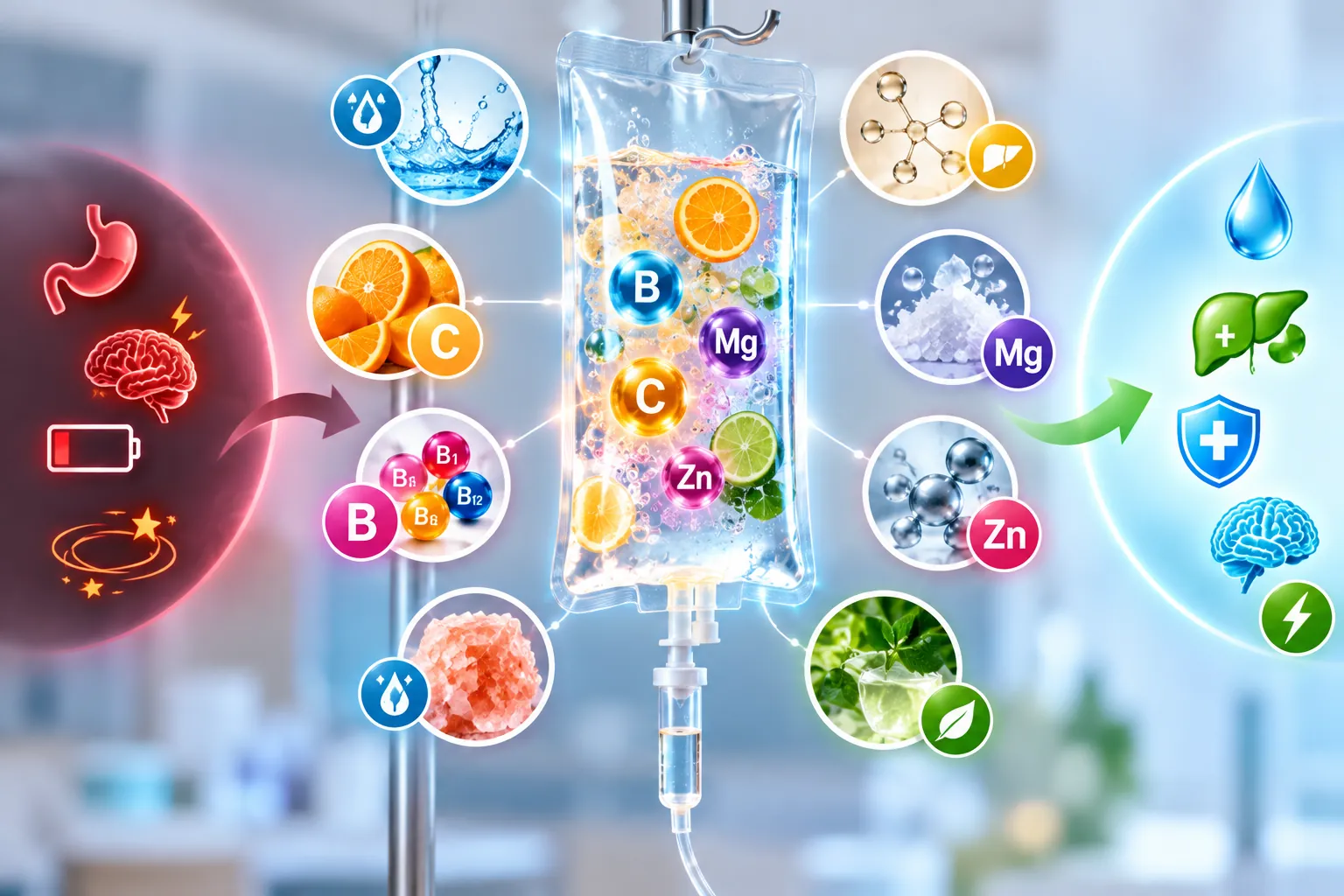 Hangover IV Therapy
Hangover IV Therapy: How It Works and What's Actually in the Bag
Hangover IV therapy has become one of the most requested treatments at wellness clinics, promising faster relief than sleeping it off or reaching for water and painkillers. The appeal makes sense.
Medically reviewed by Kel Healthcare Medical Team
Read Article Living with Asthma
Living with Asthma: A Chronic Disease Management Approach
Living with asthma means more than reaching for an inhaler when symptoms flare. A well-built asthma management plan treats the condition the way chronic disease management approaches treat any.
Medically reviewed by Kel Healthcare Medical Team
Read Article