Living with AsthmaBy Kel Healthcare Medical Team
Living with Asthma: A Chronic Disease Management Approach
Living with asthma means more than reaching for an inhaler when symptoms flare. A well-built asthma management plan treats the condition the way chronic disease management approaches treat any.

Introduction
Living with asthma means more than reaching for an inhaler when symptoms flare. A well-built asthma management plan treats the condition the way chronic disease management approaches treat any long-term illness, with ongoing monitoring, personalized trigger identification, and a proactive strategy rather than a reactive one.
For many patients, the difference between frequent flare-ups and stable, well-controlled asthma comes down to having a clear, individualized plan rather than relying on quick-relief medication alone. In New York, where allergens, air quality, and seasonal changes all factor into asthma triggers, chronic disease management NY providers often emphasize this structured, ongoing approach.
This guide walks through what a comprehensive asthma management plan includes, why consistent monitoring matters, and how chronic disease management principles apply specifically to living well with asthma.

Why Asthma Requires Ongoing Management
Asthma is a chronic inflammatory condition of the airways, meaning it doesn't resolve permanently, it's managed continuously rather than cured. Without a structured approach, symptoms can be unpredictable, ranging from mild wheezing to severe attacks requiring emergency care.
An asthma management plan shifts the focus from reacting to flare-ups toward preventing them in the first place, which is the same principle underlying effective management of any chronic condition.
What's Included in an Asthma Management Plan
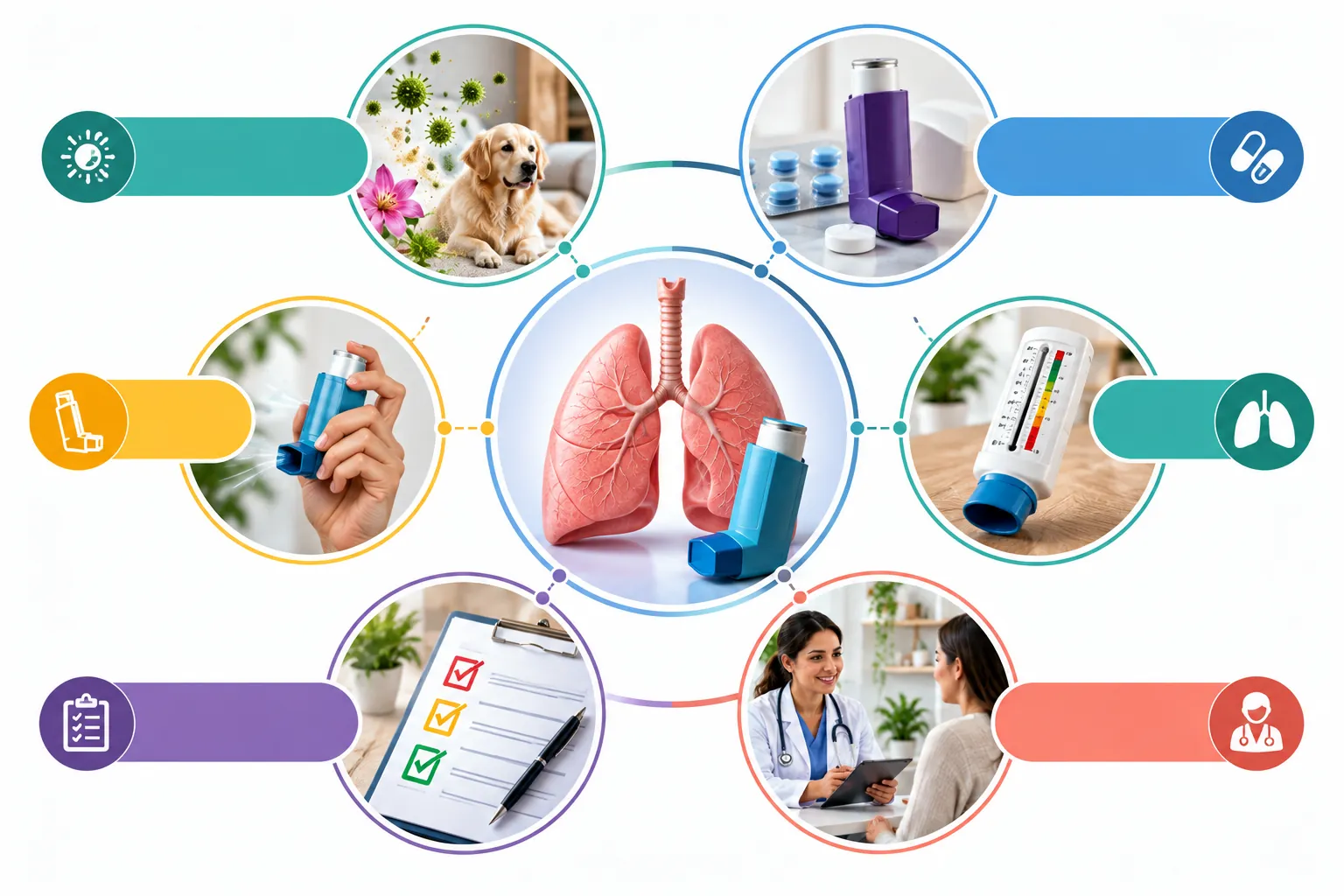
A comprehensive plan typically includes:
- Personal trigger identification: allergens, irritants, or activities that worsen symptoms
- Daily control medications: for reducing baseline airway inflammation
- Quick-relief medication guidance: for use during flare-ups
- Peak flow monitoring: tracking lung function at home
- A written action plan: outlining steps to take as symptoms change
- Regular check-ins with a provider: to adjust the plan as needed
Identifying and Avoiding Triggers
Common asthma triggers include:
- Pollen, dust mites, and pet dander
- Air pollution and smoke
- Cold air or sudden temperature changes
- Respiratory infections
- Exercise, particularly in cold or dry air
- Strong odors, including cleaning products and perfumes
- Stress and strong emotional reactions
Identifying your specific triggers, often through tracking symptoms alongside daily activities, is one of the most effective ways to reduce flare-up frequency.
Medications: Quick-Relief vs Long-Term Control
Asthma medications generally fall into two categories:
| Type | Purpose | Example Use |
|---|---|---|
| Quick-relief (rescue) | Fast symptom relief during flare-ups | Used as needed |
| Long-term control | Reduces baseline airway inflammation | Used daily, even without symptoms |
A common mistake is relying solely on quick-relief inhalers while skipping long-term control medication, which often leads to more frequent and severe flare-ups over time.
Monitoring Your Asthma Day to Day
Ongoing monitoring is central to any effective asthma management plan. This typically includes:
- Peak flow readings: measuring how well air moves out of the lungs
- Symptom tracking: noting frequency and severity of wheezing, coughing, or shortness of breath
- Medication adherence: using controller medications consistently, not just during flares
- Recognizing early warning signs: subtle changes that often precede a full flare-up

How Chronic Disease Management NY Providers Approach Asthma Care
Chronic disease management NY practices often integrate asthma care into a broader, coordinated approach that includes:
- Regular follow-up visits to adjust medication as needed
- Coordination with allergists or pulmonologists when symptoms are complex
- Education on inhaler technique, since incorrect use significantly reduces medication effectiveness
- Environmental assessment for local triggers, including seasonal allergens and urban air quality factors relevant to New York
This coordinated model reflects the broader philosophy of chronic disease management: consistent oversight rather than isolated, symptom-driven visits.
Living Well With Asthma Long-Term
Many people with a well-managed asthma management plan lead fully active lives, including regular exercise and travel. Keys to long-term success include:
- Sticking with daily control medication even during symptom-free periods
- Reviewing and updating your action plan annually or after any major flare-up
- Getting recommended vaccinations, since respiratory infections can trigger severe flares
- Maintaining open communication with your provider about any changes in symptoms
When to Seek Emergency Care
Seek immediate medical attention if you experience:
- Severe shortness of breath that doesn't improve with rescue medication
- Difficulty speaking in full sentences due to breathlessness
- Bluish tint to lips or fingernails
- Rapid worsening of symptoms despite following your action plan
Conclusion
Living well with asthma comes down to having a clear, personalized asthma management plan and following the same principles that guide effective chronic disease management: consistent monitoring, proactive prevention, and regular provider check-ins rather than reactive care. With the right plan in place, most people with asthma live full, active lives with minimal disruption from symptoms.
If your asthma feels unpredictable or you're managing it without a clear plan, working with a provider experienced in chronic disease management in NY could bring both better control and greater peace of mind.

Frequently Asked Questions
More from our blog
 Thyroid Disorders
 101: Symptoms, Testing, and Ongoing Management
Thyroid disorder management often starts long after symptoms first appear, simply because early signs like fatigue, weight changes, and mood shifts are easy to attribute to stress, aging, or a busy.
Medically reviewed by Kel Healthcare Medical Team
Read Article What the Research Shows
The Cost of Skipping Preventive Care: What the Research Shows
The importance of preventive care is well established in medicine, yet recent data show a widening gap between what people know they should do and what they actually do. According to a 2025.
Medically reviewed by Kel Healthcare Medical Team
Read Article Health Assessment
How Often Should You Get a Comprehensive Health Assessment?
If you've ever typed "how often for health assessment" into a search bar right before booking (or postponing) an appointment, you're not alone. Most people know they should get checked regularly.
Medically reviewed by Kel Healthcare Medical Team
Read Article