Preventive careBy Kel Healthcare Team
Health Screenings and Checkups in Staten Island, NY: A Guide for Women and Men
Which checkups, screenings and vaccines make sense for women and men in Staten Island? A practical guide to planning your yearly care and what to ask your clinician.
Introduction
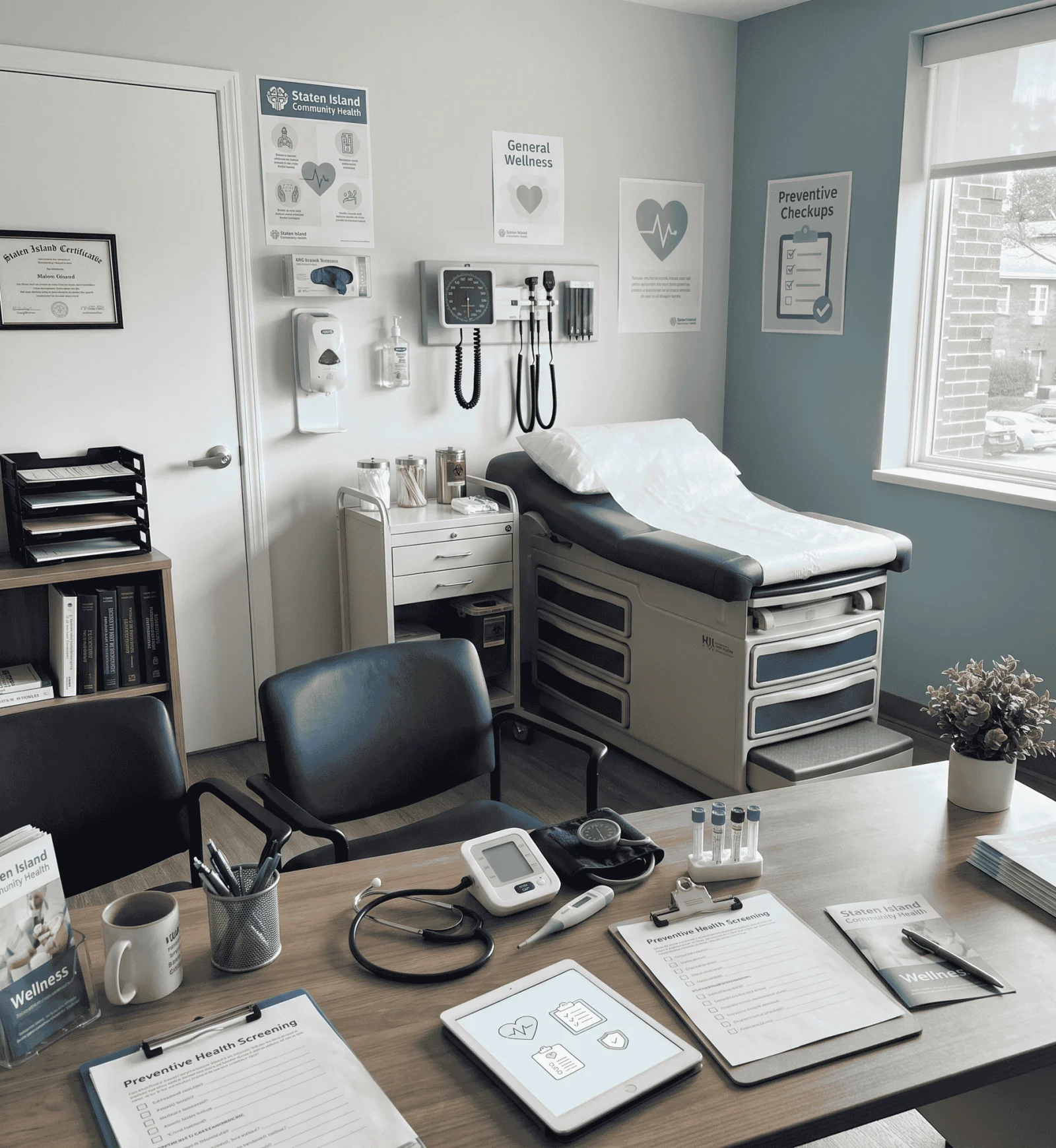
Most people only think about screenings when something worries them. But the checkups that matter most often happen when you feel fine, because they are designed to find problems before they cause symptoms. The challenge is knowing which ones apply to you, since the answer depends on your age, sex, family history and health.
This guide gives women and men in Staten Island a practical way to plan yearly care. It is general information, not a personal prescription. The best plan is one built with your clinician. If you are comparing options for medical health care services in Staten Island, NY, our complete guide to local care is a good companion read.
Why a Yearly Checkup Is Worth It
A yearly annual health checkup gives you and your clinician a chance to review your history, update vaccines, check key numbers and talk about concerns that might otherwise wait. It also creates a record that makes small changes easier to spot over time.
If it has been a while, or you have a family history of heart disease, diabetes or cancer, a comprehensive health assessment can give you a fuller picture. You can see what is included in a comprehensive assessment before you decide.
Screenings Many Adults Discuss With Their Clinician
Recommendations change with age and risk, so use this list as a conversation starter rather than a checklist.
- Blood pressure, cholesterol and blood sugar checks
- Cancer screenings appropriate for your age and risk, such as colorectal screening
- Mental health and sleep check-ins
- Vision, hearing and dental reminders
- Bone health discussions for those at higher risk
- Vaccine review
The U.S. Preventive Services Task Force publishes evidence-based recommendations, and MyHealthfinder offers a personalized list based on your age and sex. Bring any questions to your visit. Our preventive care services are built around your individual risk.
Women's Health: What to Talk About
Women's preventive care often includes reproductive and breast health, cervical screening, bone health, and attention to changes through different life stages, including pregnancy planning, perimenopause and menopause. Cardiovascular risk is also worth discussing, since heart disease is often under-recognized in women.
KEL Healthcare's women's health services focus on age-appropriate wellness care, screenings and counseling. Bring a list of any symptoms, changes in your cycle, and family history so your clinician can tailor recommendations.
Men's Health: What to Talk About
Men are less likely to see a doctor regularly, which means silent conditions can go unnoticed. A yearly visit is a good time to review blood pressure, cholesterol, blood sugar, weight, mood and sleep, and to talk about screenings that may apply to you, including prostate and colorectal screening discussions as you get older.
Through men's health services, your clinician can also address concerns such as energy, testosterone and aging, stress, and lifestyle. If you have symptoms you have been putting off, a checkup is the right place to bring them up.
Vaccines Are Part of Prevention Too
Adults need vaccines throughout life, including yearly flu shots and other vaccines depending on age, health conditions and exposure. The CDC's adult immunization schedule lists what is recommended by age and condition, and our article on which vaccines adults need explains it in plain language. During flu season, our guide to telling flu, colds and sinus infections apart may help you decide when to seek care.
How to Prepare for Your Visit
A little preparation makes the appointment more useful:
- Write down your medications, vitamins and supplements, with doses.
- Collect past test results, vaccine records and any hospital paperwork.
- Note your family history, such as heart disease, diabetes or cancer in close relatives.
- List your questions and symptoms, with the most important first.
- Ask whether you need to fast before bloodwork.
- Bring your photo ID and insurance card.
Wondering about coverage? Many plans cover preventive visits, but details vary, so confirm with your insurer and the office. If you need a plan, NY State of Health is the official marketplace, and Medicare patients can use Medicare Care Compare.
Beyond the Annual Visit
Prevention is not only about tests. Lifestyle counseling can help with nutrition, activity, weight, sleep and stress, and diagnostic testing can look into symptoms or follow up on an abnormal screening. If something needs specialist attention, referral services keep your care connected.
Planning Checkups in Queens, NY
Many Staten Island families also have relatives or workplaces in Queens, and some prefer to book checkups closer to that side of the city. KEL Healthcare's Woodside office and its primary care in Queens, NY page are there for that. If you are searching for the best primary care in Queens NY, the best primary care doctor in Queens NY, or primary care physicians in Queens NY, the questions below can help you judge any practice, including ours. And if you simply want a primary care doctor in Queens NY or a primary care clinic in Queens NY for a yearly visit, the same preparation steps apply.
Questions worth asking a Queens practice about checkups and screenings:
- Is this the best family medicine clinic in Queens NY for everyone in my household, or will we need separate offices?
- Do the internal medicine doctors in Queens NY here, or other clinicians, review my full history and medications at each yearly visit?
- Is this an affordable primary care clinic in Queens NY? Ask what is covered by insurance, what your copay will be, and what self-pay costs look like.
- Is there a walk-in medical clinic in Queens NY option, or same-day appointments, if I develop symptoms between checkups? Availability varies, so ask before you need it.
- How will I get my results, and who follows up on anything abnormal?
Book Your Checkup in Staten Island
KEL Healthcare's Staten Island office is at 2052 Richmond Road, Suite D, Staten Island, NY 10306, open Monday through Friday, 9:00 AM to 4:00 PM. Call (929) 491-4589 or book an appointment online, and see the Staten Island location page. If you are still comparing providers, read how to choose the right primary care doctor in Staten Island. To learn how screenings fit with long-term care, see preventive care and chronic disease management in Staten Island.
Conclusion
The most helpful checkup is the one you actually schedule. Start with a yearly visit, share your history honestly, and let your clinician help you decide which screenings and vaccines fit your life.
Ready to plan your next visit? Schedule an appointment with KEL Healthcare or contact our team. This article is for general information only and is not a substitute for professional medical advice, diagnosis or treatment.
Frequently Asked Questions
More from our blog
 Primary Care
Top 10 Primary Care Clinics in Queens, NY: Best Doctors and Medical Centers in 2026
Compare 10 trusted primary care clinics in Queens, NY for 2026, from walk-in and same-day options to affordable care, with locations, services and tips for choosing the right doctor.
Medically reviewed by Dr. Karl E. Latortue, MD
Read Article Primary Care
Best Primary Care Doctor in Queens, NY: How to Choose the Right Physician for You
Looking for the best primary care doctor in Queens, NY? Learn what to look for in a physician, what a great first visit feels like, and how to find a primary care clinic you can trust for years.
Medically reviewed by Dr. Karl E. Latortue, MD
Read Article Primary Care
Medical Health Care Services in Staten Island, NY: A Complete Guide
A plain-language guide to the medical health care services available in Staten Island, NY, from annual checkups and chronic disease care to same-day visits, diagnostic testing and referrals.
Medically reviewed by Dr. Karl E. Latortue, MD
Read Article