Vaccines for AdultsBy Kel Healthcare Team
Adult Vaccination Schedule: Which Vaccines Do Adults Need?
Which vaccines do adults need, and when? A plain-language look at flu, COVID-19, Tdap/Td, shingles, pneumococcal, RSV, hepatitis B and more, with tips to check your own schedule.

Introduction
Vaccines are not only for children. Immunity from some shots fades over time, some vaccines are recommended only as you get older, and others depend on your health conditions, job, travel or pregnancy.
This guide gives a plain-language overview of the vaccines commonly recommended for adults and how to check what applies to you. Recommendations are updated regularly, so treat this as a starting point and confirm with your clinician. For another angle, read our post on the adult vaccine schedule most people miss.
Vaccines Commonly Recommended for Adults
| Vaccine | Who it is commonly recommended for | How often |
|---|---|---|
| Influenza (flu) | Nearly all adults | Every year |
| COVID-19 | Adults, with guidance that changes by age and risk | Follow the current CDC schedule |
| Tdap or Td | All adults | Tdap once, then Td or Tdap about every 10 years; Tdap during each pregnancy |
| Shingles (recombinant) | Adults 50 and older | Two doses |
| Pneumococcal | Older adults and some younger adults with certain conditions | Per current CDC guidance |
| RSV | Older adults and some adults at higher risk | Per current CDC guidance |
| Hepatitis B | Many adults under 60 and some older adults at risk | Series of doses |
| MMR | Adults without evidence of immunity | One or two doses |
| HPV | Through age 26, and some adults to 45 after discussion | Two or three doses |
Age cutoffs and eligibility change, so use this table as a conversation guide, not a rule.
Health Conditions That Change the List
- Diabetes, heart disease, lung disease (including asthma and COPD) or kidney disease
- A weakened immune system or certain medications
- Pregnancy or planning pregnancy
- Travel outside the United States
- Jobs with extra exposure, such as health care or child care
- Alcohol or tobacco use, and being a close contact of someone at high risk
How to Check Your Own Schedule
- Gather any vaccine records you have, including cards, school or military records and pharmacy printouts.
- Review the CDC's adult immunization schedule or its easy-read version.
- List your health conditions, medications, pregnancy plans and travel.
- Bring both to your visit and ask which vaccines you are due for and which can be given together.
- Ask for an updated record to keep.
Common Questions About Safety
Mild soreness, tiredness or a low fever for a day or two are common after vaccination. Serious reactions are rare. Tell your clinician about any past severe allergic reaction to a vaccine or ingredient, and ask about timing if you are acutely ill. Your clinician can explain risks and benefits for your situation.
Vaccines and Your Yearly Checkup
A vaccine review is a natural part of preventive care and an annual physical. Ask your clinic which vaccines are offered on site and which are given at a pharmacy. Flu season is also a good time to read our guide to telling a cold from the flu and the CDC's flu information. Tetanus boosters may also come up after a wound; see the CDC page on tetanus.
Conclusion
Keeping vaccines up to date is one of the simplest ways to protect your health and the people around you. A short conversation at your next checkup can show you what you are due for.
To review your vaccine schedule, schedule an appointment. This article is for general information only and is not medical advice.
Frequently Asked Questions
More from our blog
 Bloodwork Results
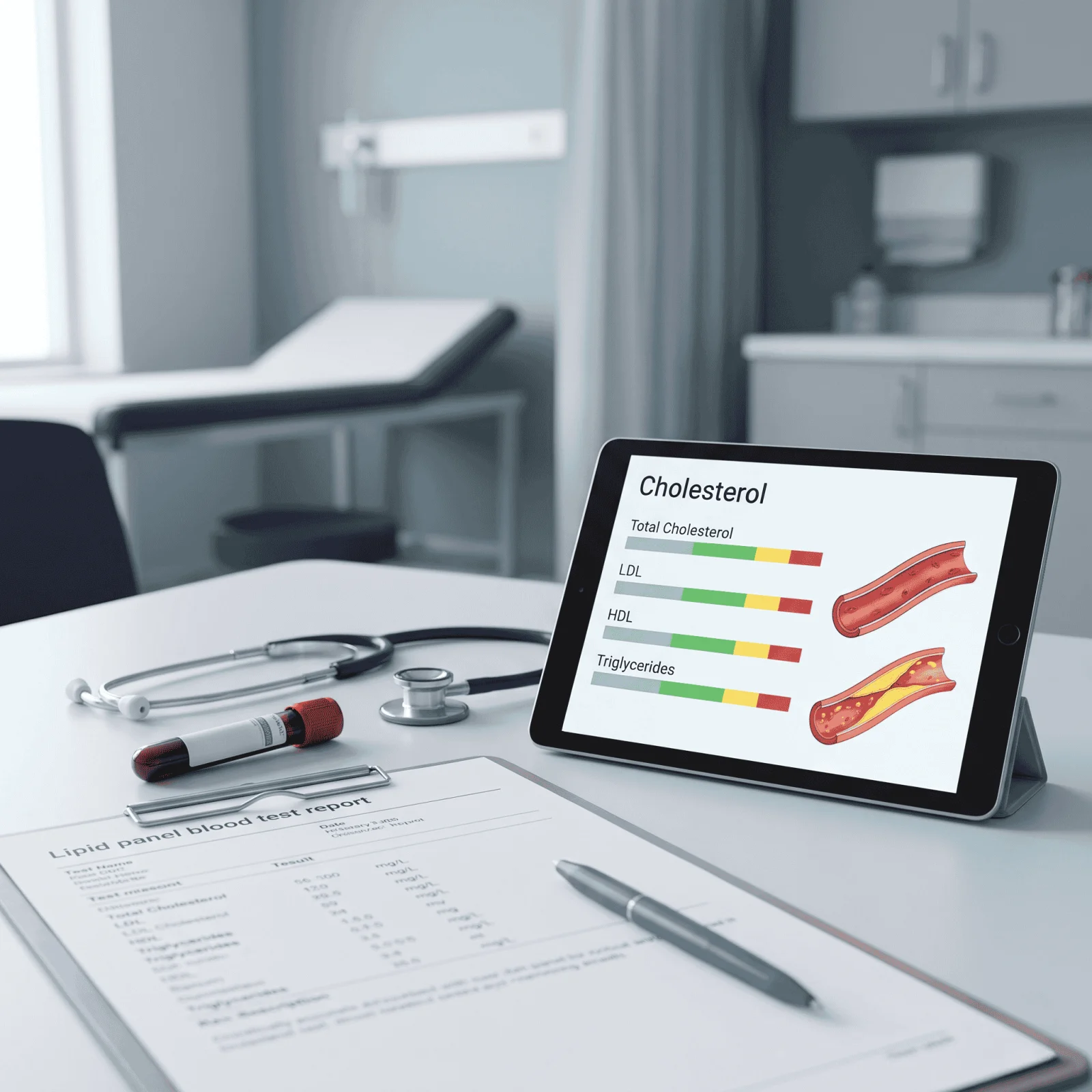
High Cholesterol: What Your Test Results Mean and What to Do Next
Understand LDL, HDL, triglycerides and total cholesterol on your lipid panel, what the ranges mean, and the steps to take with your clinician after a high result.
Medically reviewed by Dr. Karl E. Latortue, MD
Read Article Chronic Disease
What Is a Normal Blood Pressure Reading? Understanding Your Numbers
Learn what the two blood pressure numbers mean, how adult readings are categorized, how to measure at home accurately, and when a high reading needs urgent attention.
Medically reviewed by Dr. Karl E. Latortue, MD
Read Article Preventive care
What Blood Tests Should You Get at Your Annual Physical? A Doctor's Guide
Not sure which blood tests belong in a yearly checkup? See the common panels, what each one looks for, and how your age and history change the list.
Medically reviewed by Dr. Karl E. Latortue, MD
Read Article