Cold, Flu, or Something Else?
Cold, Flu, or Something Else? When to Seek Acute Care

Introduction
Sore throat, congestion, body aches - the symptoms of a cold, the flu, and a handful of other respiratory illnesses overlap so much that it's genuinely hard to tell them apart in the first day or two. Most of the time, rest and fluids are all you need. But knowing when to see a doctor for cold or flu symptoms - rather than riding it out indefinitely - can make a real difference, particularly when symptoms don't follow the expected pattern.
Why These Illnesses Are Easy to Confuse
Colds, flu, and other respiratory infections share a common set of early symptoms: congestion, cough, sore throat, and fatigue. A few patterns tend to distinguish them, though not perfectly:
- Onset speed - flu symptoms often come on abruptly and intensely, while colds tend to build more gradually over a day or two
- Fever - higher and more sustained fevers are more typical of flu, while colds often involve little to no fever, particularly in adults
- Body aches - more pronounced and widespread with flu than with a typical cold
- Duration - colds often peak within a few days and resolve within a week to ten days; flu symptoms, particularly fatigue, can linger longer
None of these patterns are absolute, which is part of why testing (for flu, COVID-19, or other respiratory viruses) is sometimes useful when the picture isn't clear, especially if the timing or severity affects treatment decisions.
When Home Care Is Genuinely Enough
For most uncomplicated colds and even many flu cases in otherwise healthy adults, supportive care at home is appropriate: rest, fluids, over-the-counter symptom relief, and time. There's often no medical intervention needed beyond managing symptoms while your immune system does its job.
Signs That Point Toward Acute Care
Acute care** for respiratory symptoms** becomes the right call when a few specific patterns show up:
- Fever that's high or persists beyond a few days, particularly above 103°F in adults or any fever in a young infant
- Symptoms that seem to improve, then suddenly worsen - this pattern can indicate a secondary infection, such as a sinus or ear infection developing on top of the original illness
- Persistent cough with colored or thick mucus, or chest congestion that doesn't clear, which may indicate bronchitis or the early stages of pneumonia
- Symptoms lasting well beyond the typical window - more than 10 days without meaningful improvement
- Underlying health conditions - asthma, COPD, diabetes, or a compromised immune system all raise the stakes of what might otherwise be a routine illness, making earlier evaluation reasonable
- Dehydration signs, including reduced urination, dizziness, or an inability to keep fluids down
Acute care centers can typically evaluate these symptoms with a physical exam, rapid testing for flu, strep, or COVID-19 when relevant, and in some cases a chest X-ray if pneumonia is a concern - often getting you answers and treatment in a single same-day visit.
When It's an Emergency Instead
A smaller set of symptoms point toward the emergency room rather than acute care:
- Difficulty breathing or shortness of breath at rest
- Chest pain or pressure
- Bluish lips or face, indicating inadequate oxygen levels
- Confusion or significant lethargy, particularly in older adults or young children
- Severe dehydration with an inability to keep any fluids down
These symptoms suggest the illness has progressed beyond what outpatient treatment can safely manage and require the monitoring and resources an emergency department provides.
Special Considerations for Higher-Risk Groups
Some groups should have a lower threshold for seeking care rather than riding it out: infants, older adults, pregnant people, and anyone with a chronic condition that impacts the heart, lungs or immune system. For these groups, a routine cold in a healthy young adult may progress more seriously, so earlier evaluation is usually the safer choice.
What to Expect at an Acute Care Visit
A typical visit involves a review of symptoms and timeline, a physical exam focused on breathing and overall condition, and targeted testing based on what's suspected. Depending on findings, treatment might include antiviral medication for flu (most effective when started early), antibiotics if a bacterial infection like strep or a sinus infection is identified, or simply confirmation that supportive care at home remains the right approach.
Making the Call
If your symptoms are following a fairly typical, mild course, home care is usually sufficient. But if something feels off from the expected pattern - worsening rather than improving, unusually severe, or lingering longer than it should - that's a reasonable enough signal to get evaluated rather than waiting to see if it resolves on its own.
Frequently Asked Questions
More from our blog
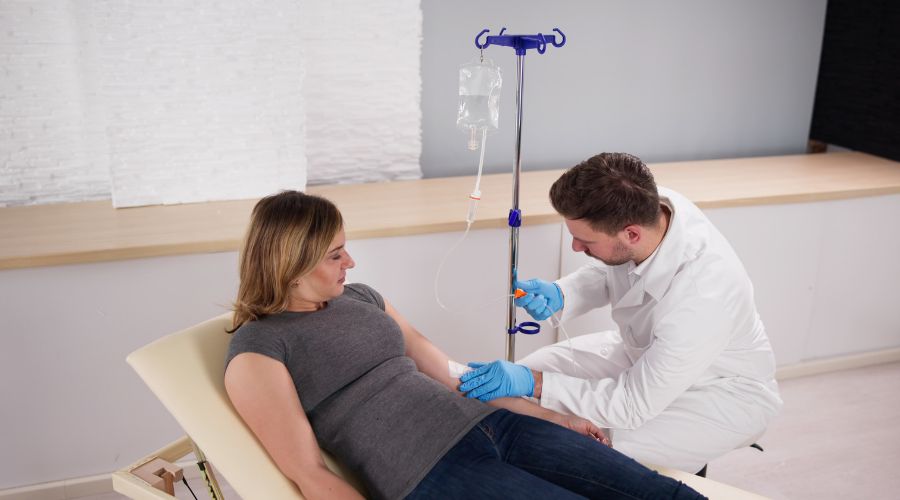 IV Drip Therapy
7 Ways Hydration Therapy Benefits Your Body in 2026
IV Drip Therapy can help support hydration and fluid balance when clinically appropriate. KEL Healthcare Medical Services provides IV Drip Therapy and Vitamin & Mineral Infusions in Woodside, NY, with care tailored to individual health needs.
Medically reviewed by Dr. Karl E. Latortue
Read Article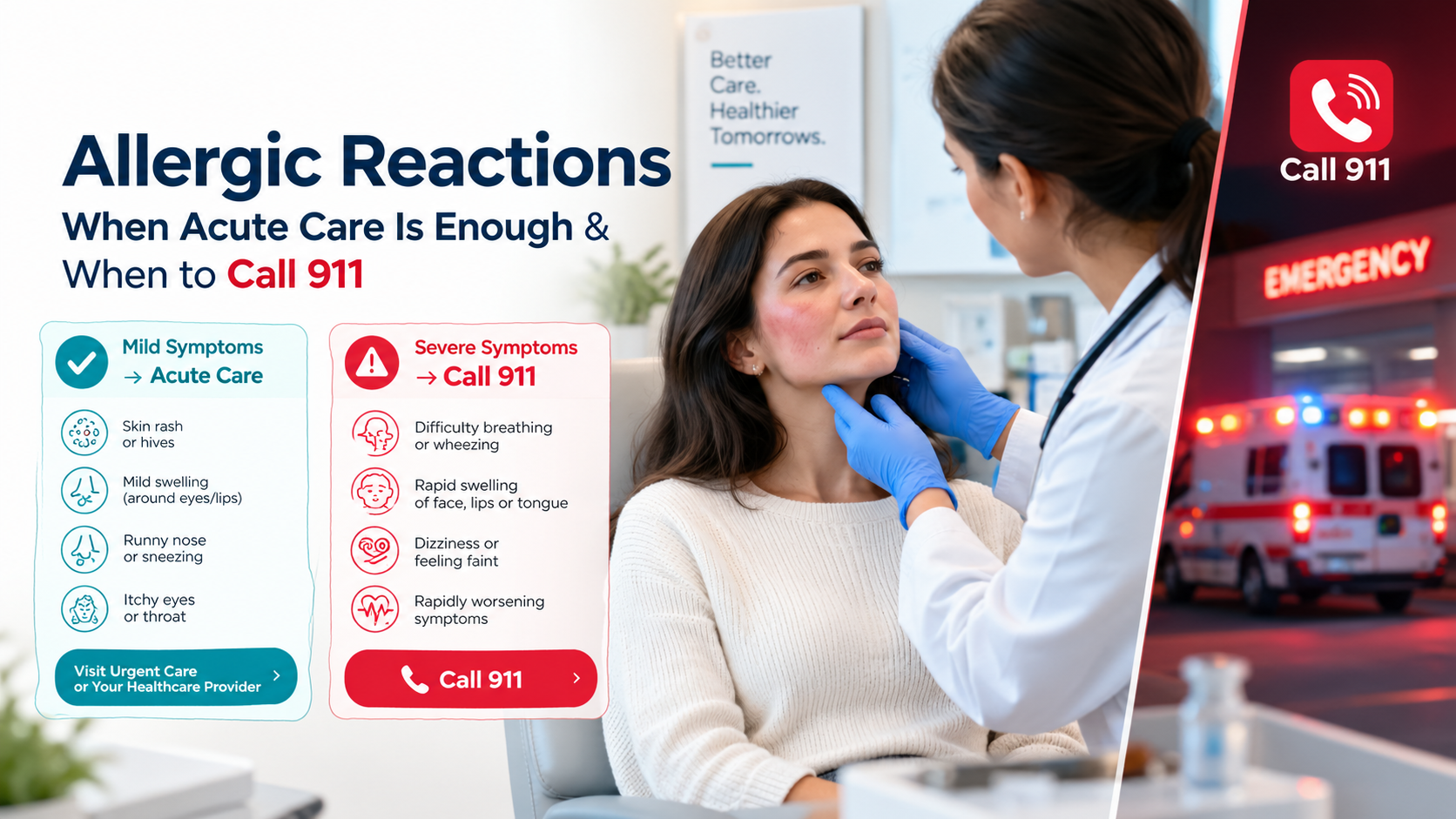 Allergic Reactions
Allergic Reactions: When Acute Care Is Enough and When to Call 911
Allergic reactions range from a mildly itchy rash to a rapidly escalating medical emergency, and telling the difference quickly is genuinely one of the more important judgment calls in everyday.
Medically reviewed by Kel Healthcare Medical Team
Read Article Vaccines for Adults
Vaccines for Adults: The Preventive Care Schedule Most People Miss
Vaccines tend to get filed away as a childhood topic - something handled at pediatric visits and then largely forgotten. In reality, the adult vaccine schedule is just as structured and just as.
Medically reviewed by Kel Healthcare Medical Team
Read Article