IV Drip Therapy
7 Ways Hydration Therapy Benefits Your Body in 2026
Introduction
Staying properly hydrated is essential for maintaining energy, supporting normal body functions, and helping your organs work effectively. Your body continuously loses fluids through breathing, sweating, urination, and digestion, making regular fluid intake an important part of everyday health.
For many people, drinking water and other appropriate fluids is enough to maintain hydration. However, when dehydration is significant or a person cannot take enough fluids by mouth, healthcare professionals may use intravenous (IV) hydration therapy to deliver fluids directly into the bloodstream.
At KEL Healthcare Medical Services, IV Drip Therapy and Vitamin & Mineral Infusions are among the services available at our Woodside location. Our healthcare team evaluates individual needs before recommending appropriate care.
What Is Hydration Therapy?
Hydration therapy generally refers to methods used to restore or maintain the body's fluid balance. Depending on a person's condition, this may include oral fluids, electrolyte solutions, or intravenous fluids.
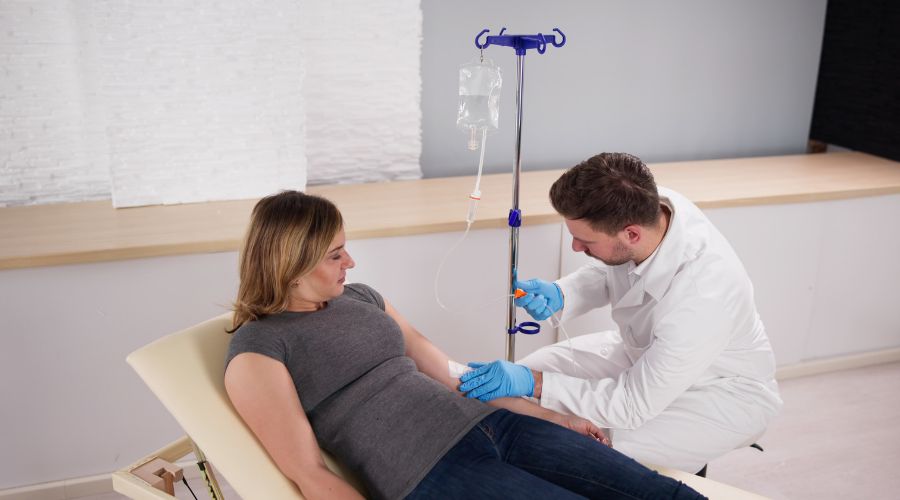
IV hydration therapy uses a small catheter placed into a vein to deliver fluids directly into the bloodstream. Healthcare professionals determine the appropriate fluid type and amount based on factors such as symptoms, medical history, age, weight, and health conditions.

7 Benefits of Hydration Therapy
1. Helps Restore Fluid Balance
One of the primary purposes of IV hydration is to help replace fluids when the body has lost more fluid than it can replace through normal drinking.
Dehydration can occur due to:
- Vomiting or diarrhea
- Fever
- Excessive sweating
- Heat exposure
- Intense physical activity
- Reduced fluid intake
For significant dehydration, fluids administered intravenously can be absorbed quickly and may help restore fluid and electrolyte balance.
2. Supports Normal Energy and Physical Function
Water is important for normal cellular, muscular, and organ function. Even mild dehydration may contribute to tiredness and reduced physical performance.
Maintaining adequate hydration can help your body regulate temperature, transport nutrients, remove waste, and support normal physical activity.
However, hydration therapy should not be viewed as a substitute for adequate sleep, balanced nutrition, regular physical activity, or appropriate medical treatment.
3. Supports Electrolyte Balance
Electrolytes such as sodium and potassium play important roles in fluid balance and normal body function.
Fluid loss through sweating, vomiting, or diarrhea can contribute to electrolyte disturbances. Depending on the patient's condition, healthcare professionals may evaluate hydration and electrolyte needs before selecting an appropriate treatment.
This is one reason professional assessment is important before receiving IV fluids.
4. Can Help When Drinking Fluids Is Difficult
Most mild dehydration can be managed by drinking water or appropriate fluids. However, some people may have difficulty replacing fluids orally because of illness, vomiting, or other circumstances.
In situations where oral or enteral hydration is not adequate, healthcare professionals may consider IV fluid therapy.
5. Supports Recovery From Fluid Loss
Fluid loss can occur during illness, hot weather, strenuous exercise, or gastrointestinal conditions. Replacing lost fluids is an important part of recovery.
IV fluids may be used when clinically appropriate to address dehydration or fluid and electrolyte losses. The specific treatment depends on the underlying cause and the individual's health status.
6. Helps Support Normal Temperature Regulation
Your body uses water and sweating to regulate its temperature. During hot weather or strenuous physical activity, increased sweating can cause greater fluid loss.
Maintaining adequate hydration helps support normal temperature regulation and other essential body functions.
People spending extended periods outdoors or exercising in hot conditions should prioritize regular fluid intake and appropriate heat-safety practices.
7. Provides a Clinically Supervised Approach to Hydration
One important benefit of receiving IV hydration in a medical setting is professional assessment and monitoring.
IV fluids are not appropriate for everyone. The type and amount of fluid should be determined based on an individual's clinical needs. Too much fluid or inappropriate fluid administration can cause complications, including fluid overload.
For this reason, IV hydration should be administered by qualified healthcare professionals rather than treated as a one-size-fits-all wellness solution.

Hydration Therapy vs. Drinking Water
For everyday hydration, drinking water and other appropriate fluids is generally the simplest approach for healthy individuals. Your daily fluid needs vary depending on factors such as age, activity level, health status, environment, and climate.
IV hydration is different because it delivers fluid directly into a vein and is generally used when there is a medical reason for intravenous treatment.
What About IV Vitamin Therapy?
Vitamin and mineral infusions are sometimes marketed for energy, immunity, recovery, and general wellness. However, evidence for broad wellness benefits from IV vitamin therapy remains limited, and claims should be evaluated carefully.
At KEL Healthcare Medical Services, treatment decisions should be based on individual health needs and professional medical assessment rather than generalized claims about IV therapy.
Who May Need Hydration Therapy?
A healthcare professional may consider IV fluids when a person has clinically significant dehydration or cannot adequately replace fluids through oral intake.
Possible signs of dehydration include:
- Excessive thirst
- Dry mouth
- Fatigue
- Dizziness
- Dark-colored urine
- Reduced urination
- Headache
- Weakness
Severe dehydration can be a medical emergency. If you experience serious symptoms, confusion, loss of consciousness, severe weakness, or other emergency symptoms, seek immediate medical attention rather than relying on an outpatient hydration service.
Hydration Therapy at KEL Healthcare Medical Services
KEL Healthcare Medical Services provides patient-focused healthcare services, including IV Drip Therapy and Vitamin & Mineral Infusions at its Woodside location.
Our broader healthcare services include primary care, preventive care, chronic disease management, comprehensive health assessments, diagnostic testing, women's health, men's health, acute care, geriatric care, lifestyle counseling, and referral services.
If you are considering IV hydration therapy in Queens or Woodside, NY, speak with a healthcare professional about whether the treatment is appropriate for your individual needs.
Final Thoughts
Hydration plays an essential role in everyday health. While drinking enough fluids is usually the first approach to maintaining hydration, IV hydration therapy can have an important medical role when fluid replacement through oral intake is inadequate or when clinically significant dehydration requires intravenous treatment.
The right approach depends on your health, symptoms, fluid needs, and the underlying cause of dehydration. A qualified healthcare professional can help determine whether hydration therapy is appropriate for you.
More from our blog
 Allergic Reactions
Allergic Reactions: When Acute Care Is Enough and When to Call 911
Allergic reactions range from a mildly itchy rash to a rapidly escalating medical emergency, and telling the difference quickly is genuinely one of the more important judgment calls in everyday.
Medically reviewed by Kel Healthcare Medical Team
Read Article Vaccines for Adults
Vaccines for Adults: The Preventive Care Schedule Most People Miss
Vaccines tend to get filed away as a childhood topic - something handled at pediatric visits and then largely forgotten. In reality, the adult vaccine schedule is just as structured and just as.
Medically reviewed by Kel Healthcare Medical Team
Read Article Chronic Condition
Obesity as a Chronic Condition: A Medical Approach to Weight Management
For a long time, obesity was framed almost entirely as a matter of willpower - eat less, move more, problem solved. Major medical organizations, including the American Medical Association, have.
Medically reviewed by Kel Healthcare Medical Team
Read Article