Chronic DiseaseBy Kel Healthcare Team
Home Monitoring for Chronic Conditions: What to Track and How to Do It Right
What happens between appointments matters. Learn which numbers are worth tracking at home, how to measure them accurately, and how to turn readings into better conversations with your provider.
Introduction
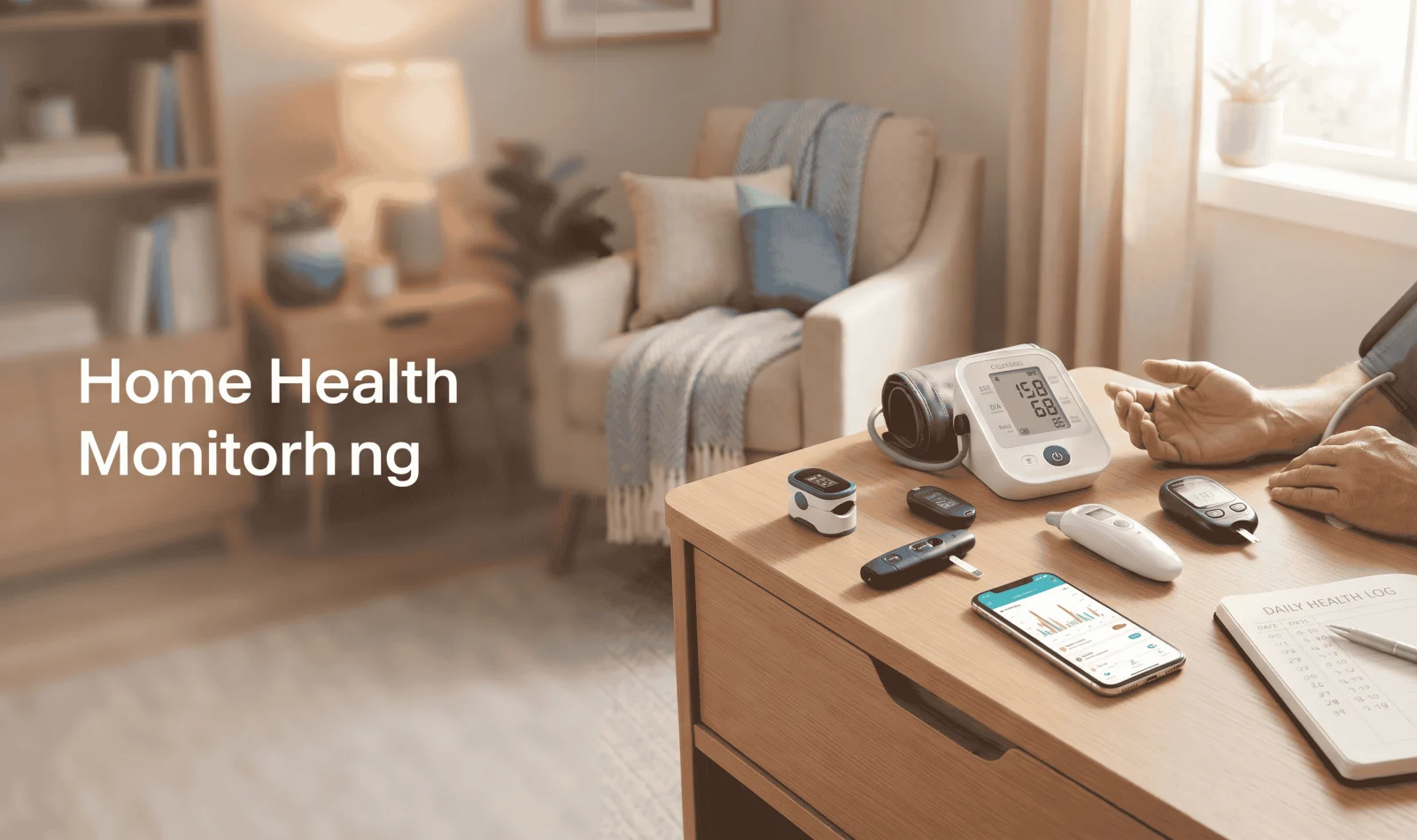
A few minutes in a doctor's office can't capture what happens in the days and weeks between visits. Blood pressure can swing, blood sugar can drift, and weight can creep up with fluid, all without you noticing.
Home monitoring fills that gap. When done correctly, it is one of the most practical tools in chronic disease management because it helps spot trends early and shows whether treatment is working.
What You Can Track at Home
| Measurement | Useful For |
|---|---|
| Blood pressure | Hypertension, heart disease, kidney disease |
| Blood glucose | Diabetes and prediabetes |
| Weight | Heart failure, kidney disease, weight management |
| Peak flow or oxygen level | Asthma and some lung conditions, when recommended |
| Symptom diary | Pain, fatigue, headaches, breathing, and digestive conditions |
Your provider can tell you which measurements are meaningful for your condition and how often to check them. More data is not always better, and unnecessary checking can cause stress.
Tips for Accurate Readings
Accuracy depends on technique. Small mistakes can produce misleading numbers.
Blood Pressure
- Sit quietly for five minutes before measuring, feet flat and back supported
- Rest your arm at heart level
- Use a properly fitted upper-arm cuff
- Avoid caffeine, exercise, and smoking for 30 minutes beforehand
- Take readings at consistent times of day and record each one
Blood Glucose
- Wash and dry your hands before testing
- Check that test strips are in date and stored properly
- Follow your provider's guidance on when to test
- Record your result along with meals, activity, and medication timing
Keeping a Useful Log
Numbers on their own are less useful than patterns. Keep a simple log, whether on paper or in an app, and note anything that might explain a reading, such as a missed medication, a salty meal, poor sleep, or stress. Bring the log to your appointments.
Know When to Call
Ask your provider for target ranges and clear instructions on which readings should prompt a call. Write them down and keep them somewhere visible. Knowing in advance when to act removes guesswork on stressful days.
Conclusion
Home monitoring turns your daily routine into useful health information. When the numbers are measured accurately, recorded consistently, and shared with your provider, they help you and your care team make better decisions between visits.
If you're not sure which readings to track or how to use your devices correctly, ask your provider to review your technique at your next appointment.
Frequently Asked Questions
More from our blog
 Primary Care
How to Choose a Primary Care Doctor Near Woodside, NY: 7 Things to Look For
Searching for a primary care doctor near Woodside? Here are seven practical things to compare, from insurance and location to communication style and same-day access.
Medically reviewed by Dr. Karl E. Latortue, MD
Read Article First Visit to a Primary Care
Your First Visit to a Primary Care Doctor in Woodside, NY: What to Expect and How to Prepare
New to a primary care practice in Woodside? Here is what happens at a first visit, what to bring, and how to get the most out of your appointment.
Medically reviewed by Dr. Karl E. Latortue, MD
Read Article Chronic Disease
Medication Adherence: Why It's Hard and How to Make It Easier
Even the best prescription can't work if it isn't taken as directed. Learn why people struggle to stay on track with medications and the practical strategies that make it easier.
Medically reviewed by Kel Healthcare Medical Team
Read Article