Chronic DiseaseBy Kel Healthcare Team
Medication Adherence: Why It's Hard and How to Make It Easier
Even the best prescription can't work if it isn't taken as directed. Learn why people struggle to stay on track with medications and the practical strategies that make it easier.

Introduction
Prescribing the right medication is only half of treatment. The other half is whether the medication is actually taken as directed. Studies consistently show that a large share of people with chronic conditions do not take their medicines exactly as prescribed, and the reasons are usually practical, not careless.
Medication adherence is a central part of chronic disease management, and small adjustments can make it far easier.
Why Taking Medication as Prescribed Is Hard
Common reasons people skip or change doses include:
- Forgetting, especially with busy or irregular schedules
- Side effects that are bothersome or worrying
- Cost or difficulty refilling prescriptions
- Feeling fine and assuming the medicine is no longer needed
- Confusion about how or when to take each medication
- Taking many medications at different times of day
- Worry about long-term effects
Why It Matters
With conditions like high blood pressure, diabetes, and high cholesterol, symptoms may be absent even when the condition is uncontrolled. Skipping doses can quietly raise the risk of heart attack, stroke, kidney damage, and hospitalization.
Practical Strategies That Help
| Strategy | How It Helps |
|---|---|
| Link doses to daily habits | Taking pills with brushing teeth or breakfast builds a routine |
| Use a pill organizer | Makes it easy to see if a dose was taken |
| Set phone alarms or app reminders | Reduces forgetting |
| Sync refills | Ask your pharmacy to align refill dates so you make fewer trips |
| Keep an updated list | Helps every provider see exactly what you take |
| Ask about simpler regimens | Once-daily or combination options may reduce the number of pills |
Talk Openly With Your Care Team
Tell your provider if you're skipping doses, even if it feels awkward. Providers can often adjust timing, change formulations, lower costs, or switch medications when side effects are the issue. They can only help with problems they know about.
The Value of a Medication Review
When several providers prescribe different medications, interactions and duplication can creep in. A regular medication review in primary care checks that everything you take still makes sense together, including supplements and over-the-counter products.
Conclusion
Missing doses is a common, human problem, not a character flaw, and it is usually fixable. The most important step is honesty with your care team so they can help you find a regimen that actually works in your daily life.
If you're struggling to keep up with your medications, schedule a medication review. Bring every pill bottle, supplement, and over-the-counter product you use.
Frequently Asked Questions
More from our blog
 Can You Treat a Sprain Without a Doctor
Can You Treat a Sprain Without a Doctor? Setting the Injury Rates Beside the PRICE Steps and the 72-Hour Window
About 2 million acute ankle sprains happen in the U.S. every year, and the first 72 hours shape how well they heal. Here's a first-aid routine that protects the ligament and reduces swelling.
Medically reviewed by Dr. Karl E. Latortue, MD
Read Article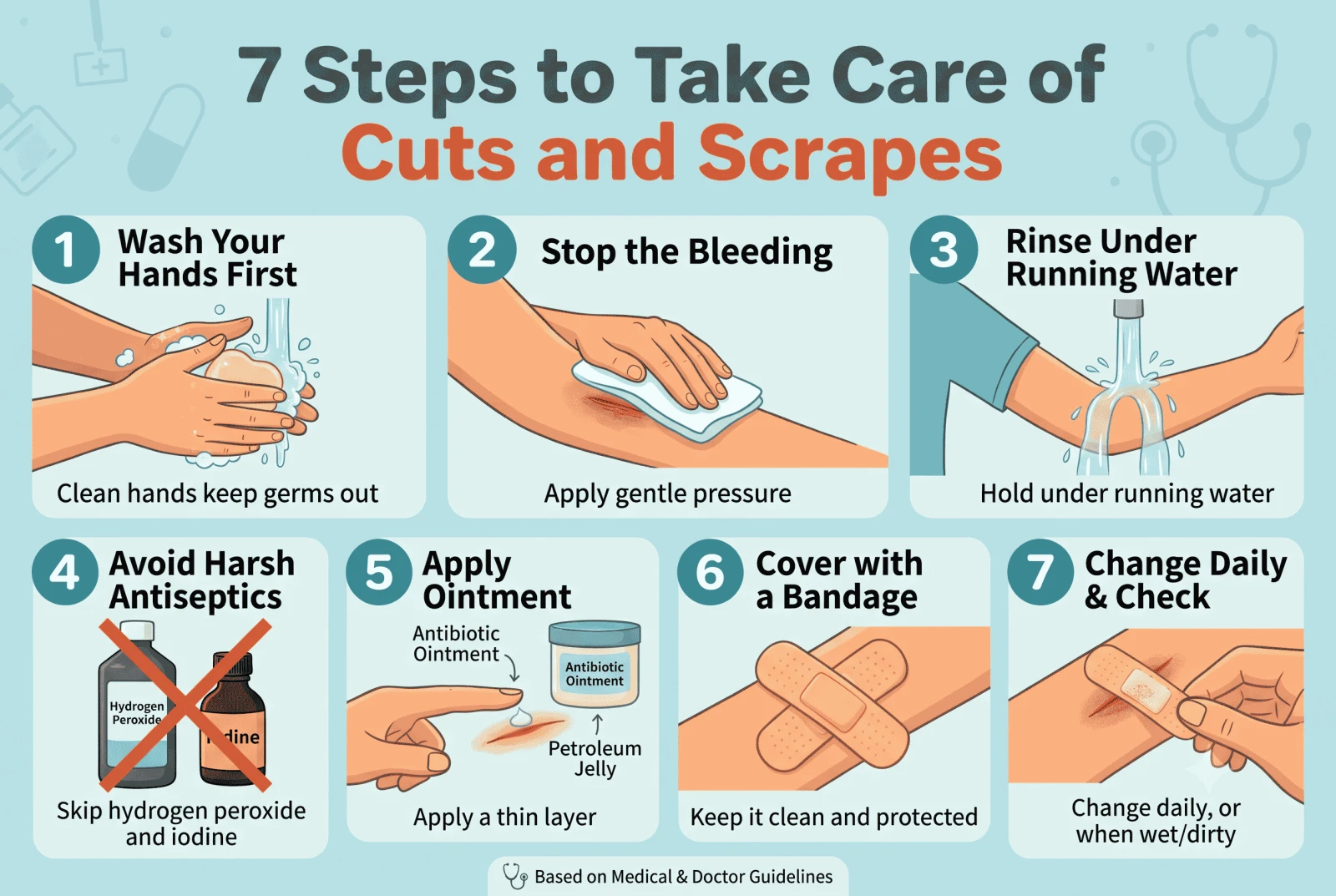 What Should Go on a Cut
Taking Care of Cuts and Scrapes
Most minor cuts heal well at home, but a rushed rinse or the wrong antiseptic can slow healing and invite infection. Seven simple steps keep the wound clean, covered, and safe.
Medically reviewed by Dr. Karl E. Latortue, MD
Read Article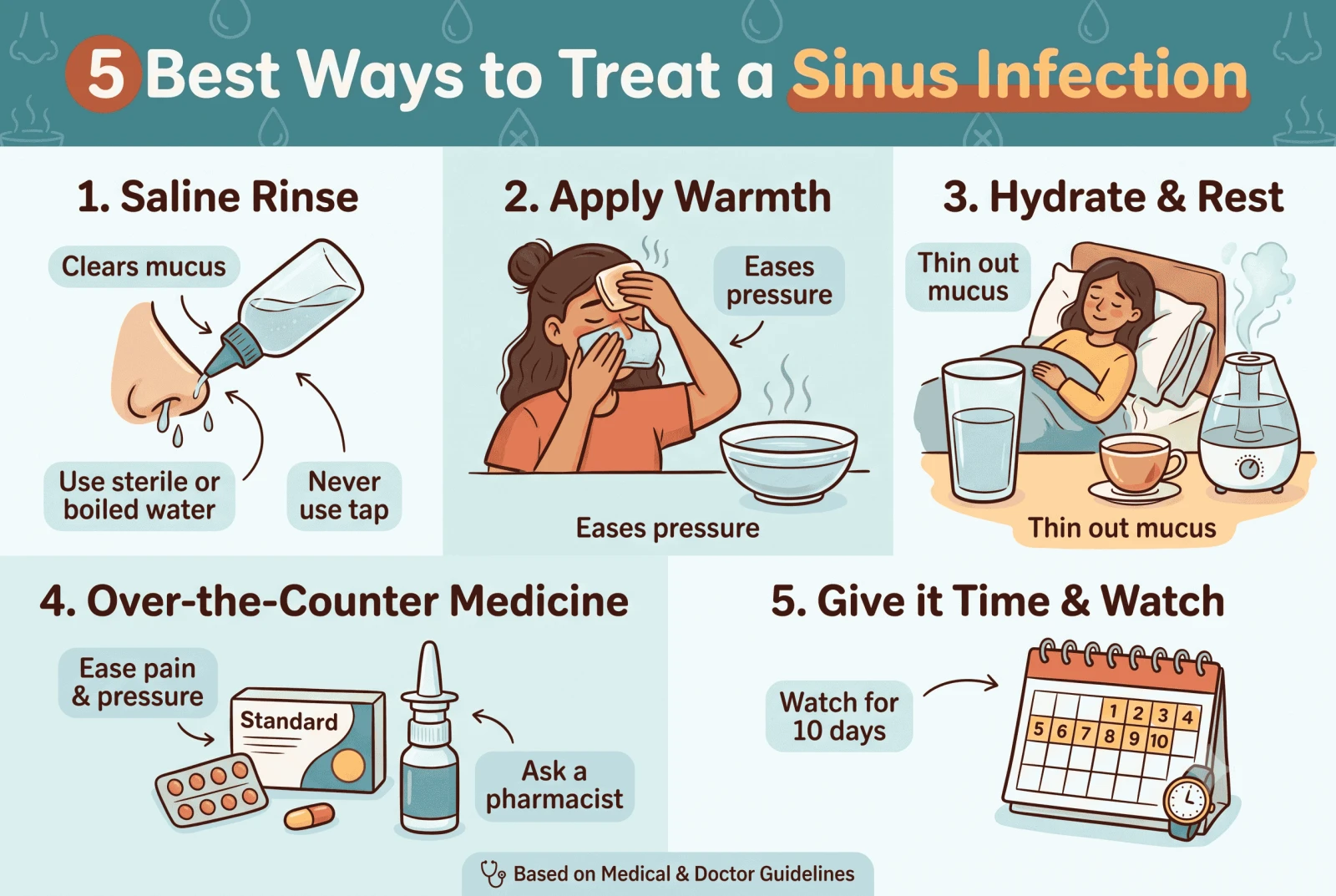 Treat a Sinus Infection
5 Best Ways to Treat a Sinus Infection
More than 90% of acute sinus infections are viral, which is why antibiotics rarely speed recovery. Five simple home treatments ease the pressure while your body does the healing.
Medically reviewed by Dr. Karl E. Latortue, MD
Read Article