First Visit to a Primary CareBy Kel Healthcare Team
Your First Visit to a Primary Care Doctor in Woodside, NY: What to Expect and How to Prepare
New to a primary care practice in Woodside? Here is what happens at a first visit, what to bring, and how to get the most out of your appointment.
Introduction
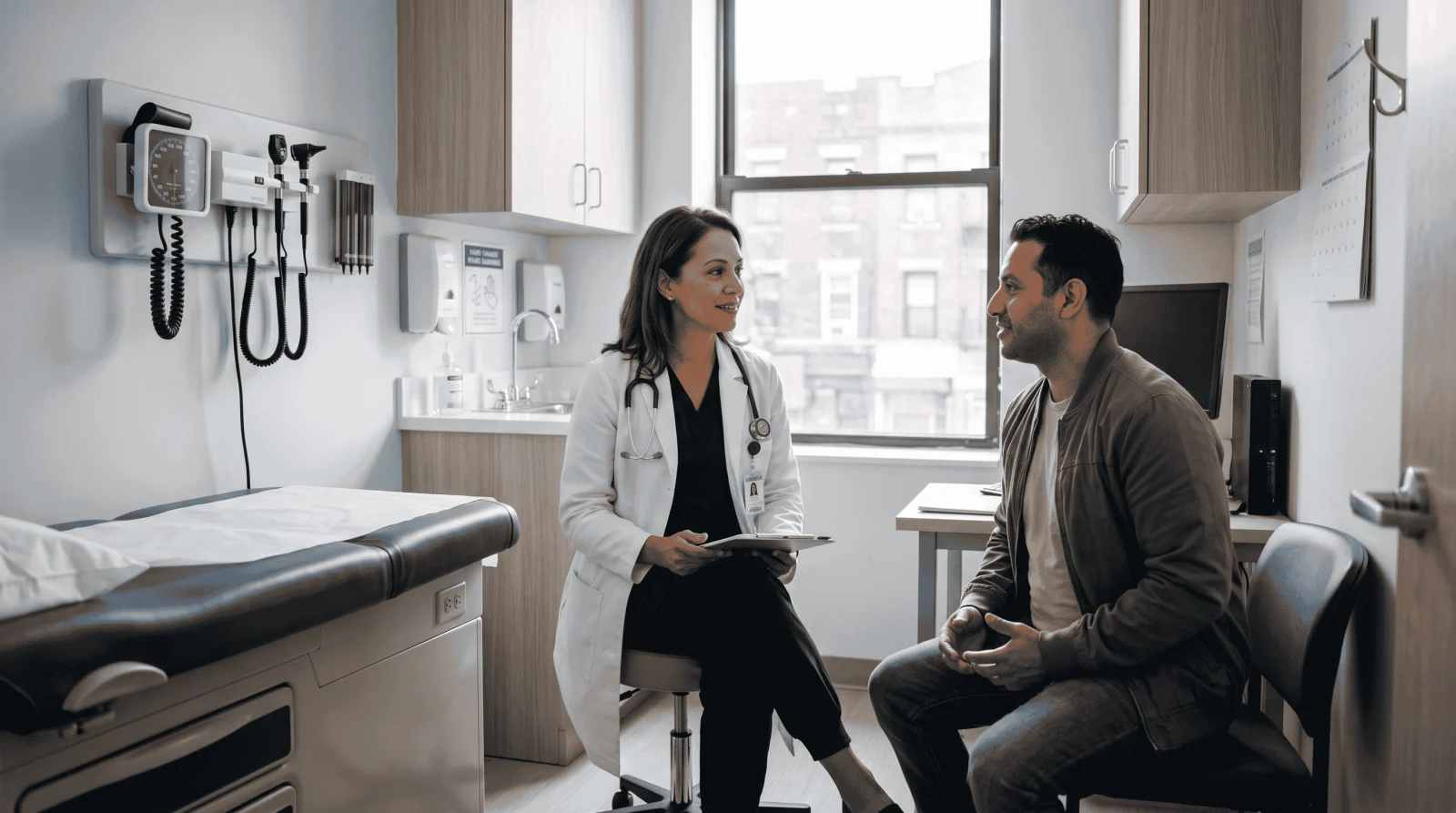
Starting with a new primary care doctor can feel a little uncertain, especially if it has been a while since your last checkup. The good news is that a first visit is mostly a conversation. It is your chance to share your health history, ask questions, and begin building a relationship with someone who will help you stay well.
If you are looking for a primary care doctor near Woodside, Queens, this guide explains what usually happens at a first appointment, what to bring, and how to prepare so you leave with clear next steps. Still comparing practices? Start with our guide on how to choose a primary care doctor near Woodside, NY.
Why Establish Care With a Primary Care Doctor?
Having a regular doctor means someone already knows your history when you are sick, can spot changes over time, and can coordinate your care. People with a primary care doctor tend to get screenings and vaccines on schedule, and chronic conditions are easier to keep under control. Learn more about how Woodside Premier Physicians help you stay healthy year-round.
Before Your Appointment: How to Prepare
Start by confirming your coverage. If you are still looking for a plan, NY State of Health is the official New York marketplace, and Medicare patients can use Medicare Care Compare to look up providers. Then work through the steps below.
A little preparation makes the visit more useful:
- Confirm your insurance and ask what your copay will be.
- Gather your records, including past test results, vaccination history and discharge papers from any hospital stay.
- Write down all medications, vitamins and supplements, with doses.
- Note your family history, such as heart disease, diabetes, cancer or stroke in close relatives.
- List your questions and concerns, with the most important first.
- Ask whether you need to fast before bloodwork, and follow the instructions if so.
What to Bring
- Photo ID and insurance card
- A list of current medications, or the bottles themselves
- Previous medical records or test results, if you have them
- Contact details for your other doctors and your pharmacy
- A notebook or phone to record the doctor's advice
- A trusted family member, if you would like support or need help with language
What Happens During the Visit
Every practice is a little different, but a first visit often includes the following.
- Check-in and paperwork about your history, medications, allergies, and lifestyle.
- Basic measurements such as blood pressure, pulse, weight, height, and temperature.
- A conversation with your doctor about your medical history, family history, habits, sleep, stress, and mood.
- A physical examination tailored to your age and concerns.
- A review of your preventive care, including screenings and vaccines you may be due for.
- A plan for follow-up, which may include blood tests, referrals, or a return visit.
If you want a deeper, more thorough look at your health, ask about a comprehensive health assessment in Woodside, NY. It combines a full exam, lab work, and a results consultation, and you can read what's included before you book.
Tests You Might Be Offered
Your doctor will recommend tests based on your age, symptoms, and risk factors; not everyone needs the same ones. Depending on your situation, these may include:
- Bloodwork, such as cholesterol, blood sugar, kidney and liver function, thyroid and vitamin levels
- An EKG if there are heart concerns or risk factors
- Imaging such as X-ray or ultrasound when a symptom needs a closer look
- Age-appropriate cancer screenings or referrals for them
- Vaccines, such as flu, COVID-19, and others recommended for adults
Ask your doctor to explain why each test is being recommended and when you can expect results. If you want to read ahead, the U.S. Preventive Services Task Force lists evidence-based screening recommendations, the CDC publishes the adult immunization schedule, and MyHealthfinder offers personalized prevention suggestions.
Questions Worth Asking
- What screenings or vaccines should I have this year?
- Are my medications still the right ones for me?
- What can I do in daily life to lower my risk of heart disease, diabetes or other conditions that run in my family?
- When should I come in, and when should I go to urgent care or the ER?
- How will I receive my test results, and how do I reach you with questions?
After the Visit: Keep the Momentum
Before you leave, make sure you understand your next steps. Book follow-up appointments, schedule any tests, and fill prescriptions promptly. If something in the plan is unclear, call the office rather than guessing. Over time, regular visits make it easier to catch small problems early and keep you feeling your best.
If you get sick between visits, ask about same-day acute care in Woodside, NY, so you know where to turn. You can also read about Dr. Karl E. Latortue, MD and the KEL Healthcare team before your first appointment.
Conclusion
Your first primary care visit does not need to be intimidating. Come prepared, be open about your health, and ask questions until you understand the plan. A good doctor will welcome that.
If you are searching for a primary care doctor near Woodside, visit our Woodside location page or book an appointment with KEL Healthcare. This article is for general information only and is not a substitute for professional medical advice.
Frequently Asked Questions
More from our blog
 Chronic Disease
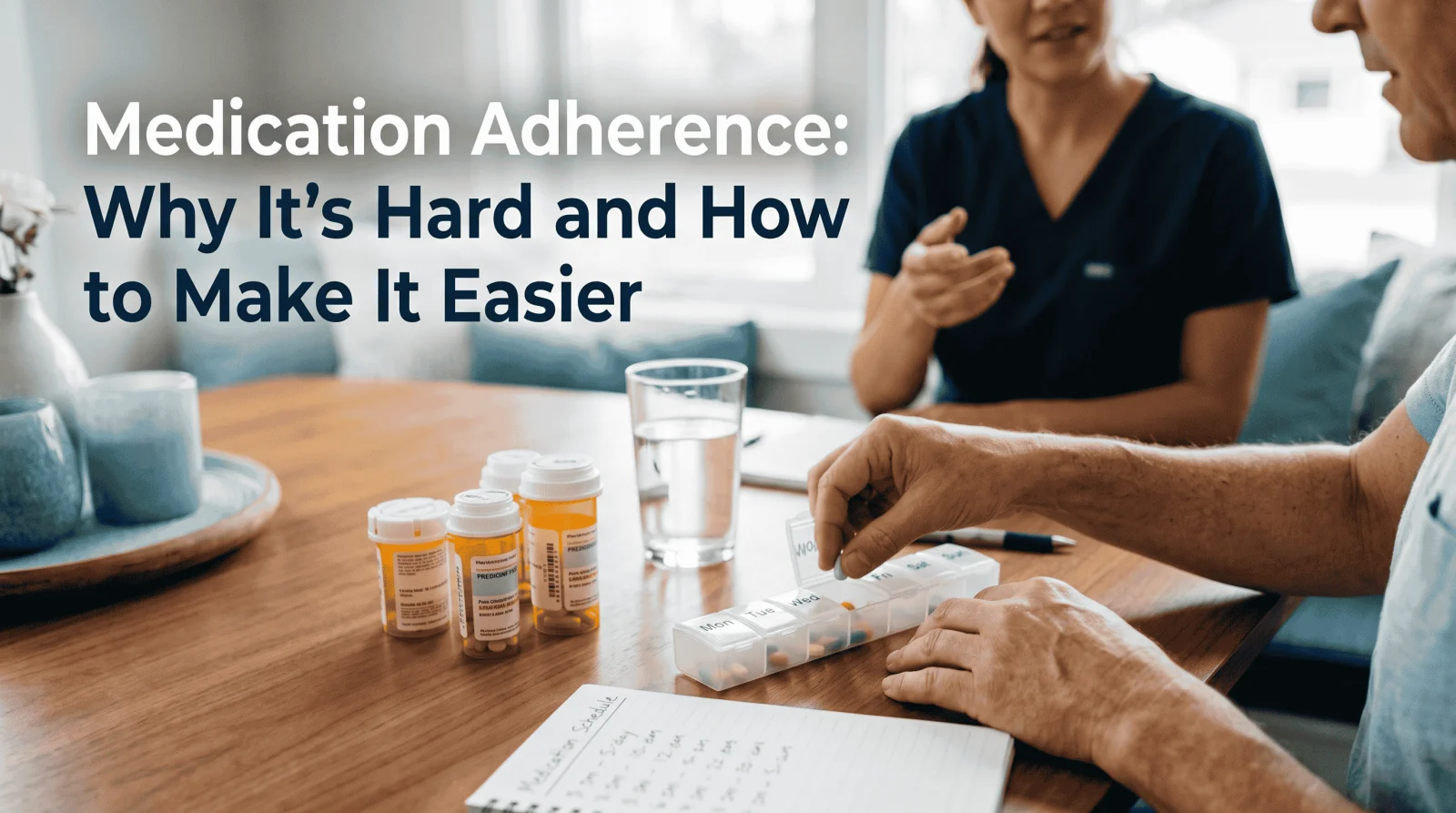
Medication Adherence: Why It's Hard and How to Make It Easier
Even the best prescription can't work if it isn't taken as directed. Learn why people struggle to stay on track with medications and the practical strategies that make it easier.
Medically reviewed by Kel Healthcare Medical Team
Read Article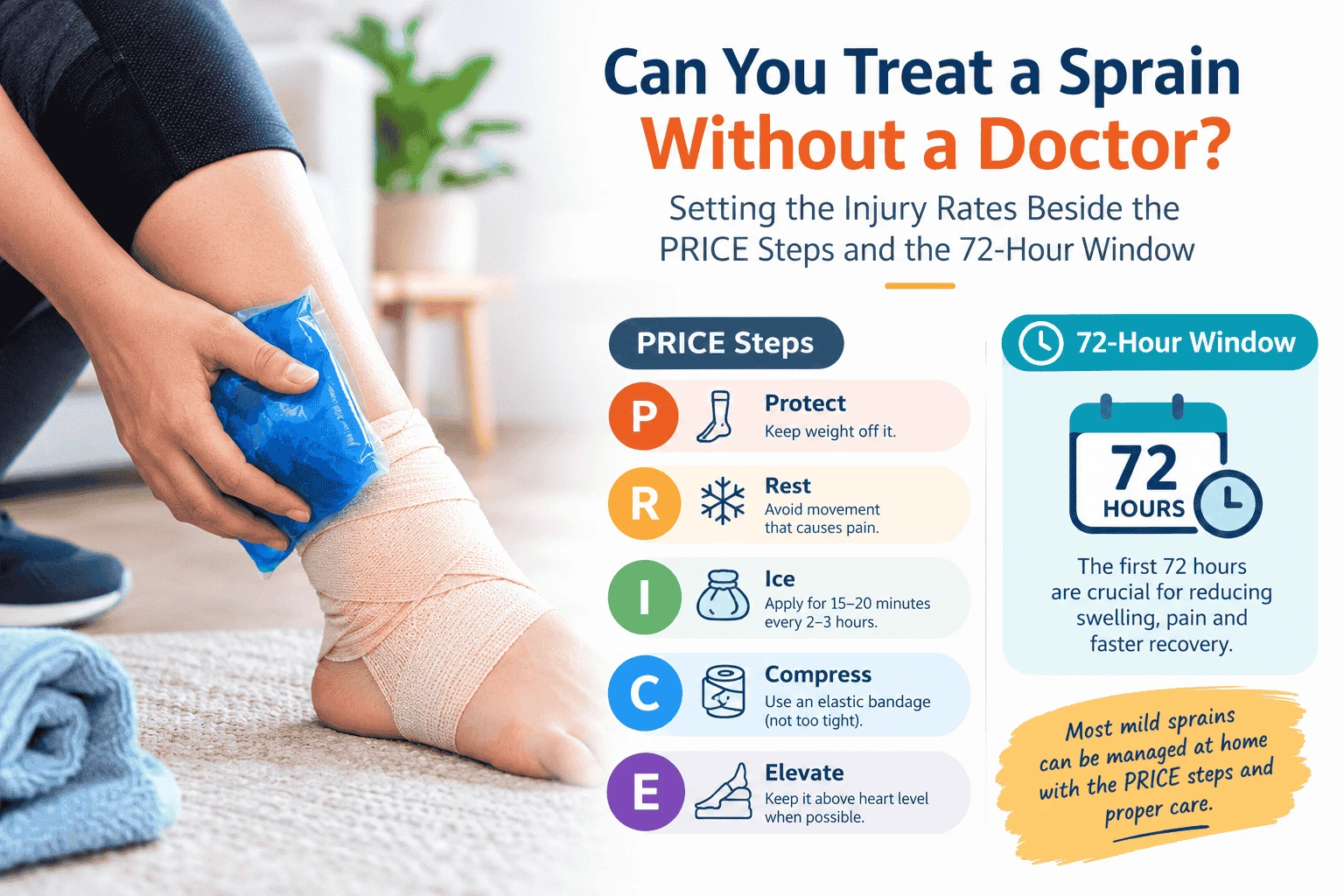 Can You Treat a Sprain Without a Doctor
Can You Treat a Sprain Without a Doctor? Setting the Injury Rates Beside the PRICE Steps and the 72-Hour Window
About 2 million acute ankle sprains happen in the U.S. every year, and the first 72 hours shape how well they heal. Here's a first-aid routine that protects the ligament and reduces swelling.
Medically reviewed by Dr. Karl E. Latortue, MD
Read Article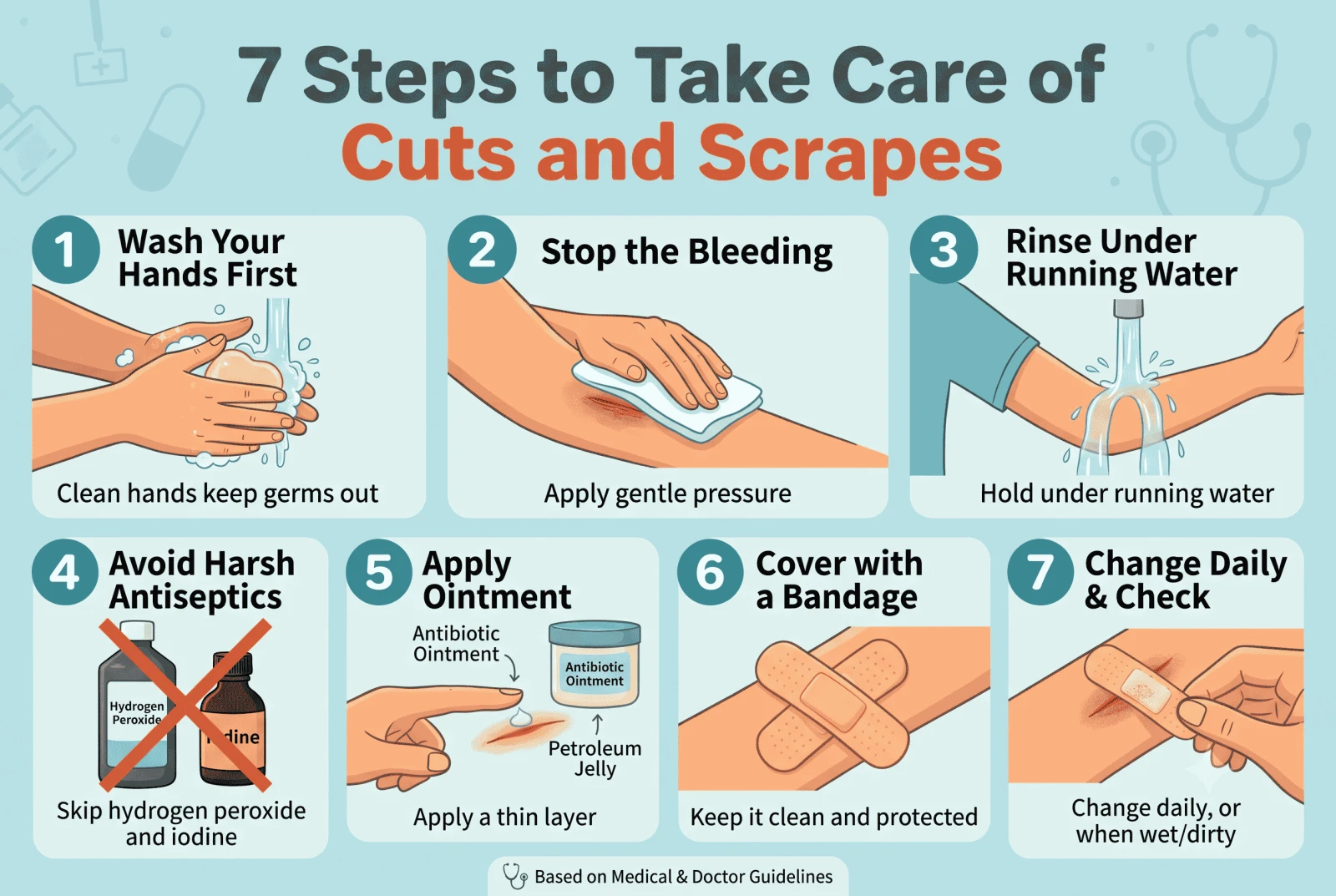 What Should Go on a Cut
Taking Care of Cuts and Scrapes
Most minor cuts heal well at home, but a rushed rinse or the wrong antiseptic can slow healing and invite infection. Seven simple steps keep the wound clean, covered, and safe.
Medically reviewed by Dr. Karl E. Latortue, MD
Read Article