Lifestyle CounselingBy Kel Healthcare Medical Team
What Is Lifestyle Counseling and How Does It Support Long-Term Health?
Lifestyle counseling is a structured approach to health that focuses on the daily habits driving chronic disease, nutrition, physical activity, sleep, stress, and substance use, rather than.
Introduction
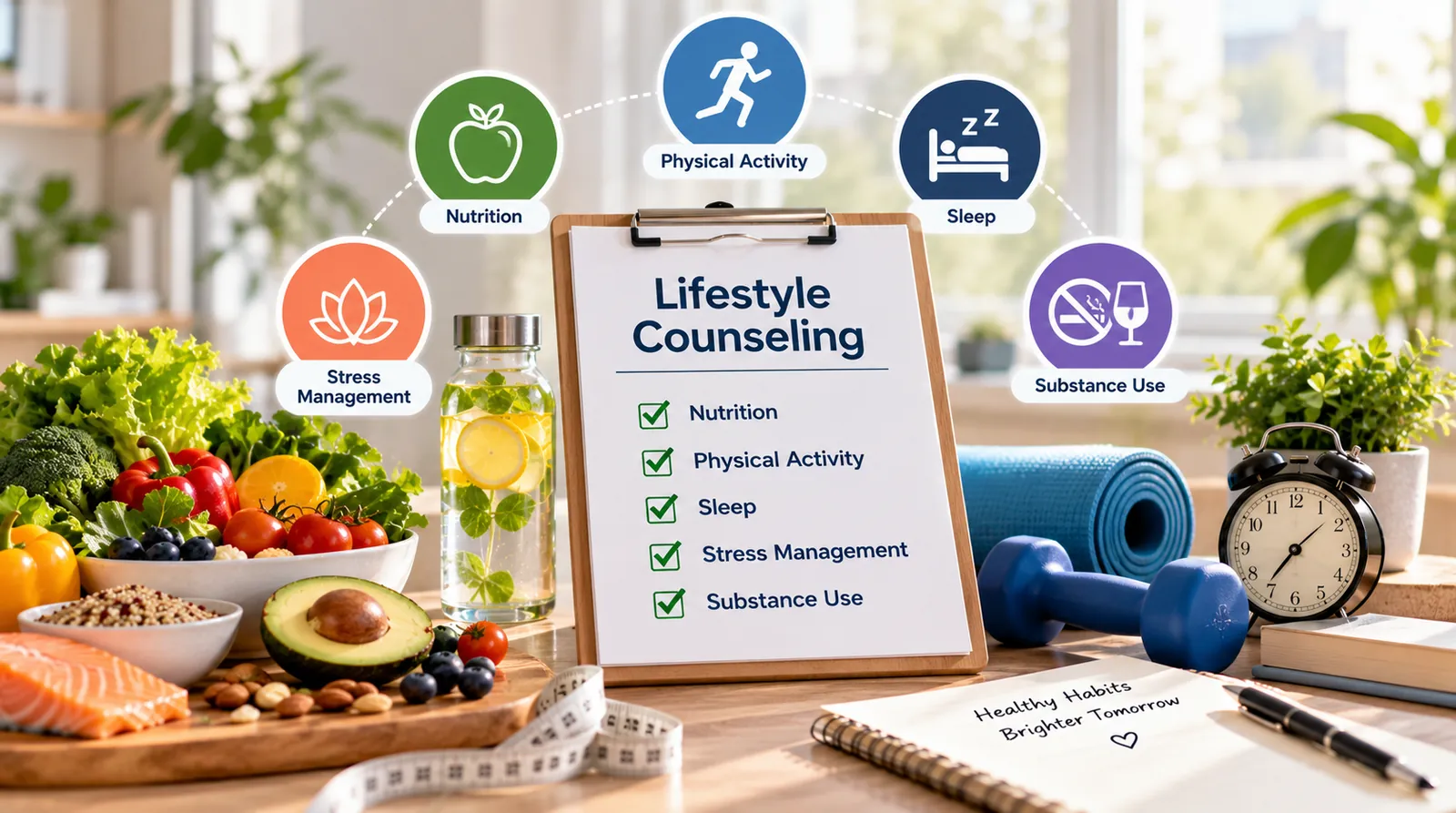
Lifestyle counseling is a structured approach to health that focuses on the daily habits driving chronic disease, nutrition, physical activity, sleep, stress, and substance use, rather than treating symptoms after they appear. Instead of a quick fix, it's built around sustainable behavior change guided by a trained provider.
For many patients, this looks different from a typical doctor's visit. Rather than a short conversation squeezed into a routine checkup, lifestyle counseling involves ongoing, personalized support to help identify what's realistic, what's sustainable, and what actually fits into someone's life. In New York, growing interest in lifestyle medicine NY practices offer reflects a broader shift toward prevention-focused, root-cause care.
This guide explains what lifestyle counseling actually involves, how it supports long-term health, and what to expect if you're considering it as part of your care.

What Is Lifestyle Counseling?
Lifestyle counseling is a collaborative process between a patient and a healthcare provider focused on identifying and changing behaviors that impact health outcomes. It draws on the principles of lifestyle medicine, an evidence-based field that treats daily habits as a primary tool for preventing and even reversing chronic disease.
Rather than prescribing a one-size-fits-all plan, lifestyle counseling is personalized, accounting for a person's schedule, culture, preferences, and existing health conditions.
The Core Areas Lifestyle Counseling Addresses
Most lifestyle counseling programs focus on six key pillars:
- Nutrition: building sustainable, realistic eating patterns
- Physical activity: finding movement that fits into daily life
- Sleep: improving quality and consistency
- Stress management: developing healthy coping strategies
- Substance use: reducing or eliminating harmful habits like smoking or excess alcohol
- Social connection: addressing relationships and support systems that affect wellbeing
How Lifestyle Counseling Differs From General Medical Advice
A standard doctor's visit might include a brief recommendation to "eat better" or "exercise more." Lifestyle counseling goes further by:
- Dedicating focused time to behavior change, not just symptom management
- Setting specific, measurable, and realistic goals
- Following up regularly to adjust the plan as needed
- Addressing the psychological and practical barriers to change, not just the medical facts
This deeper, ongoing engagement is often what separates lasting change from advice that gets forgotten by the next appointment.
How Lifestyle Medicine NY Providers Approach Long-Term Health
Lifestyle medicine NY clinics typically integrate counseling into a broader preventive care model. This often includes:
- Initial assessments covering diet, activity, sleep, and stress levels
- Personalized action plans built around small, achievable steps
- Regular check-ins to track progress and adjust goals
- Coordination with other specialists when needed (nutritionists, therapists, fitness professionals)
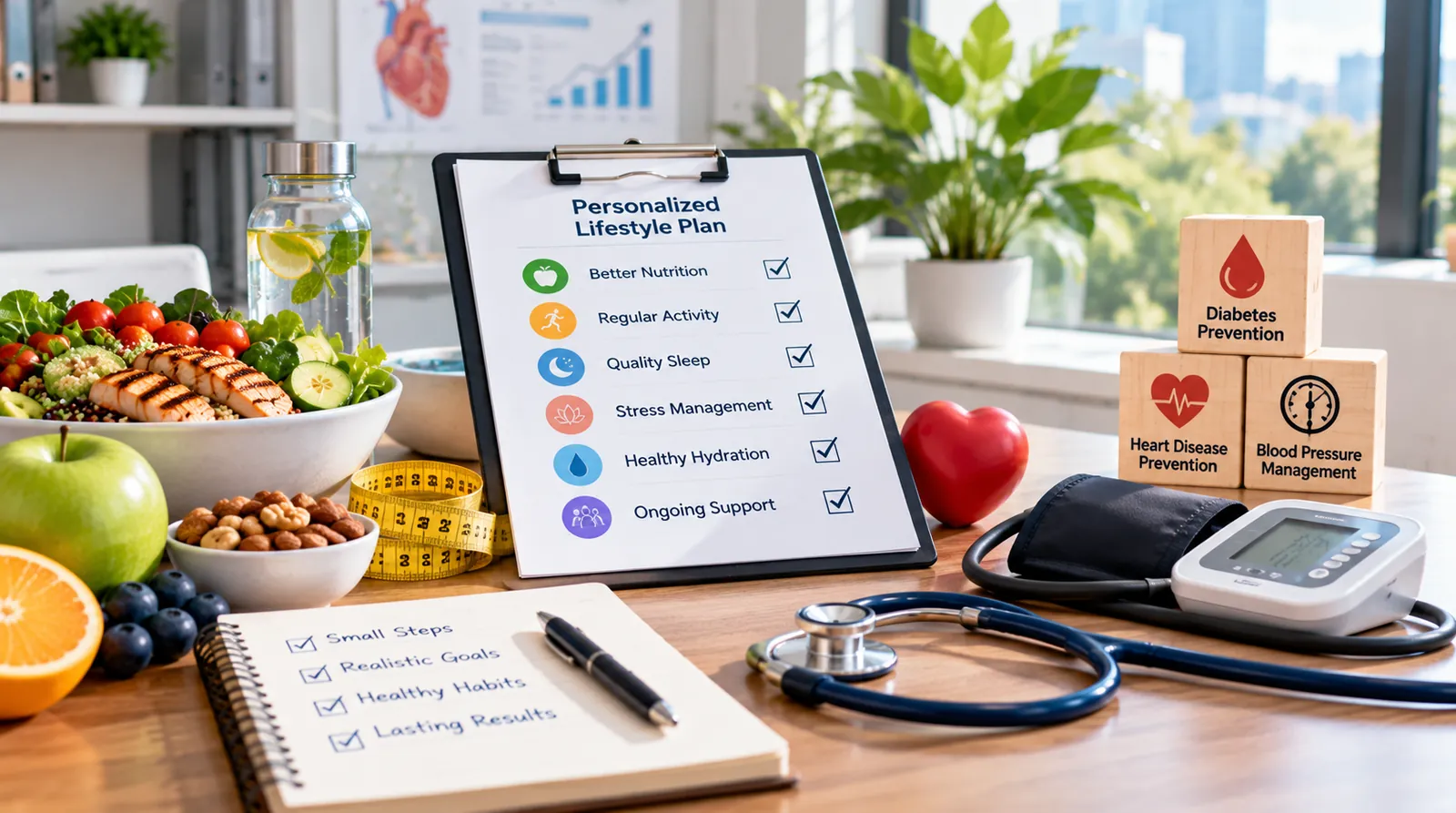
The goal isn't a temporary intervention, it's building habits that support health for years, not just weeks.
Conditions Lifestyle Counseling Can Help Manage
Lifestyle counseling is commonly used alongside standard medical treatment for conditions such as:
- Type 2 diabetes and prediabetes
- High blood pressure
- High cholesterol
- Obesity and weight management
- Anxiety and stress-related conditions
- Chronic fatigue
- Cardiovascular disease risk reduction
In many cases, consistent lifestyle changes can reduce reliance on medication or improve the effectiveness of existing treatments.
What a Lifestyle Counseling Session Looks Like
A typical session usually includes:
- A review of current habits and recent progress
- Discussion of specific challenges or barriers encountered
- Setting one or two focused goals for the next period, rather than overwhelming changes all at once
- Practical strategies tailored to the patient's actual daily routine
- A plan for the next follow-up
Sessions are collaborative rather than prescriptive, with the provider acting as a guide rather than simply issuing instructions.
Why Long-Term Habit Change Works Better Than Quick Fixes
Short-term interventions like crash diets or temporary exercise challenges often fail to produce lasting results because they aren't built around sustainable behavior. Lifestyle counseling focuses on:
- Small, incremental changes that compound over time
- Identifying and addressing the root causes of unhealthy habits
- Building routines that fit real life, not an idealized version of it
- Ongoing accountability and support rather than a single piece of advice
Conclusion
Lifestyle counseling offers something a quick prescription or a single piece of advice often can't: sustained, personalized support for the habits that shape long-term health. Whether you're managing an existing condition or working to prevent one, this kind of ongoing guidance can make meaningful, lasting change far more achievable.
If you're in New York and curious about this approach, exploring lifestyle medicine NY providers offer could be a valuable next step toward a more proactive, sustainable path to health.
More from our blog
 Why Annual Well-Woman Visits Matter
, Even When You Feel Fine
"I feel fine, so why do I need an appointment?" It's one of the most common reasons women delay scheduling a well-woman visit NY providers recommend every year. But feeling well and being well.
Medically reviewed by Kel Healthcare Medical Team
Read Article Perimenopause and Menopause
: What to Expect and When to See a Doctor
Perimenopause symptoms can show up years before a woman ever expects them, often starting in the mid-to-late 40s with subtle changes that are easy to dismiss as stress or aging. Irregular cycles.
Medically reviewed by Kel Healthcare Medical Team
Read Article Women's Health Screening
 by Decade: Your 20s Through 60s
Women's health screening needs shift significantly as the decades pass, yet many women follow the same routine year after year without realizing their risk profile has changed. What matters at 25.
Medically reviewed by Kel Healthcare Medical Team
Read Article