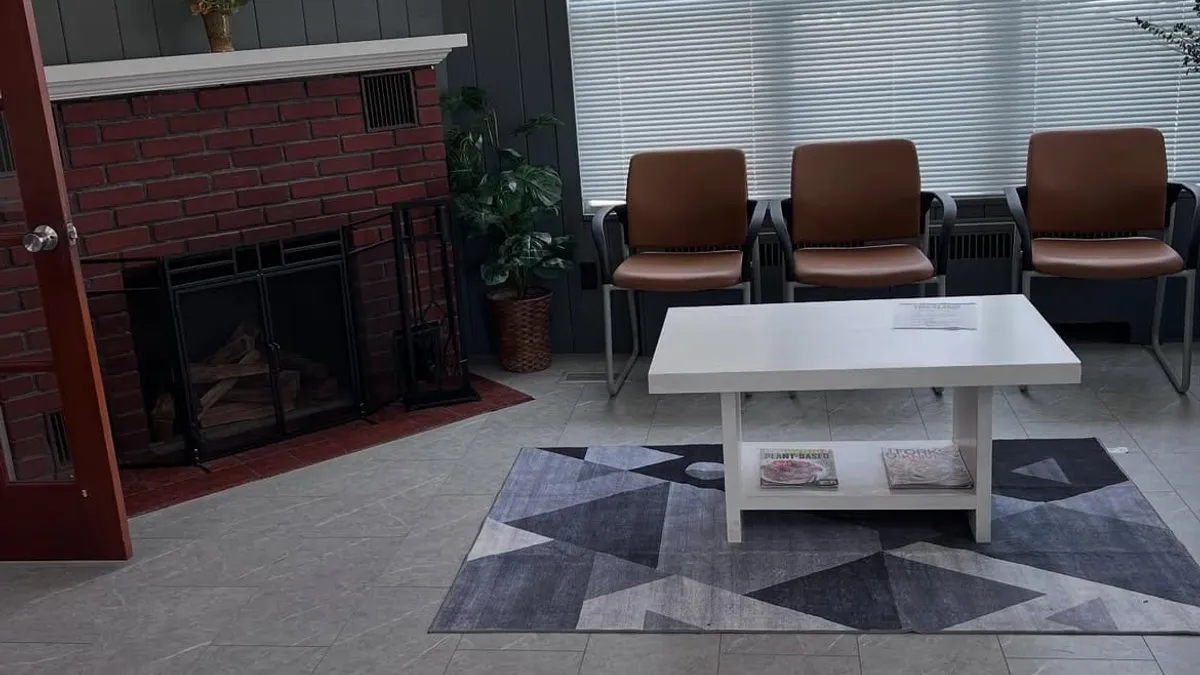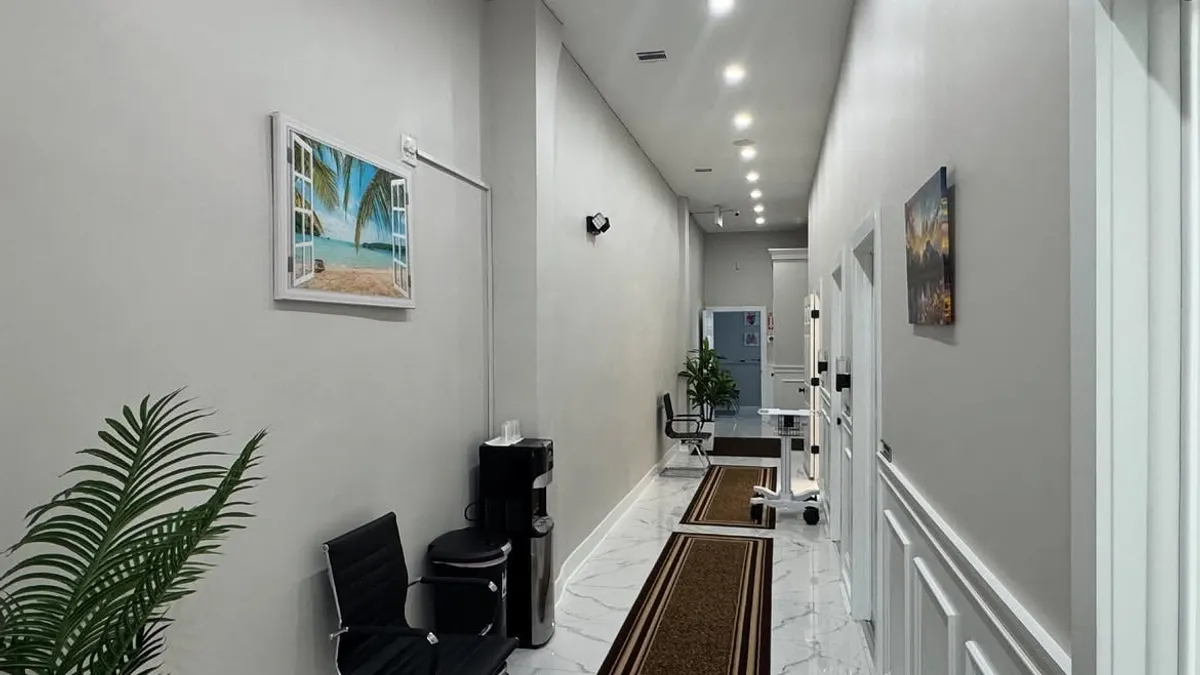
“Lucinda, Sumalkumr, and Jordi were amazing! Very professional and clean environment! Definitely recommend it!”
Alexander Paucar
Google review, April 2026
Challenge
In outpatient care, infection prevention comes down to routine habits. The CDC's guide to infection prevention for outpatient settings spells out minimum expectations for safe care because outbreaks in these settings have been linked to breakdowns in basic practices. It calls for hand hygiene before patient contact and before aseptic tasks like preparing an injection, plus regular disinfection of surfaces.
Solution
KEL Healthcare Medical Services builds its care around evidence-based practice, guided by current clinical research and national guidelines. Several of its services involve procedures where technique matters: on-site lab work, EKG and rapid diagnostics, physician-supervised vitamin and mineral infusions, and IV drip therapy.
Results
Alexander's April 2026 review is one of more than 486 behind KEL's 4.9 out of 5 Google rating. KEL's owner replied within two days, thanked him, and said the team provided a professional and clean experience.
Safe care depends on habits patients can't see
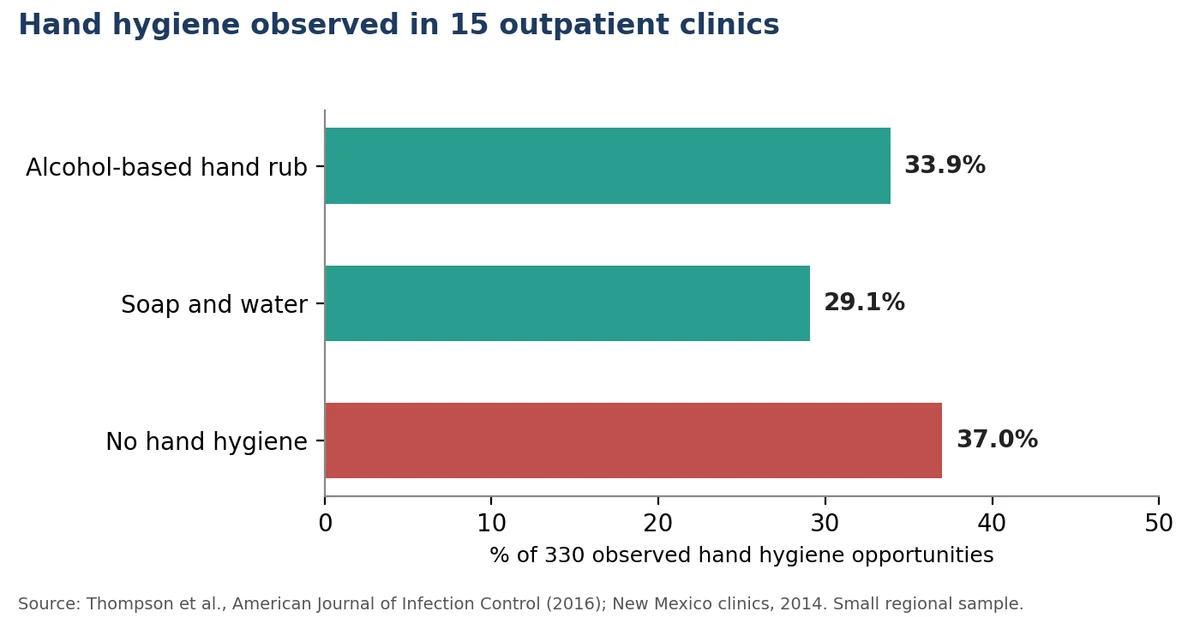
Following the guidance every time is harder than it sounds. In a study of 15 outpatient clinics in New Mexico, published in the American Journal of Infection Control, observers recorded no hand hygiene in 37 percent of 330 opportunities, even though supplies were available. On average, 92.8 percent of recommended policies and practices were in place, which shows that having a policy and following it every time are two different things.
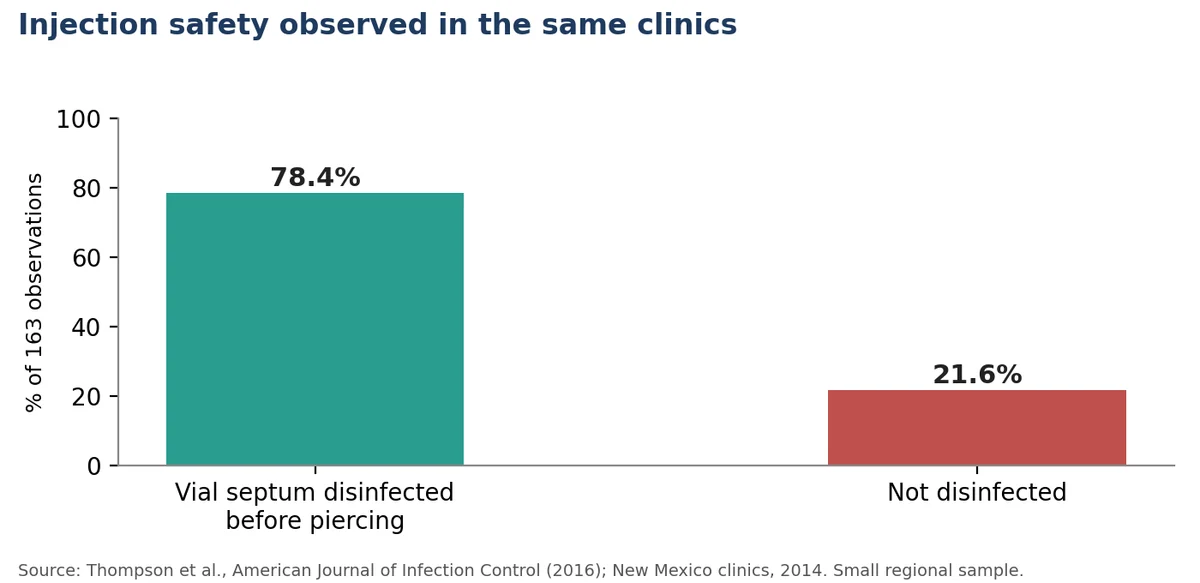
Injection safety showed a similar gap. Across 163 observations, the rubber septum of a medication vial was disinfected before piercing 78.4 percent of the time.
The researchers also noted that outpatient clinics aren't typically regulated like hospitals, and that resources for outpatient infection prevention haven't grown in step with outpatient visits. To be fair, this was a small regional sample from 2014, and it says nothing about any one practice. The takeaway is simpler: safety depends on consistency, and patients usually only see the surface. Waiting rooms, exam rooms and staff conduct are how they judge whether a clinic is careful.
A professional environment backed by clinical standards
The practice pairs those standards with a team patients describe consistently. Alexander named three team members and called the setting "very professional and clean." That reads like the result of habits the staff keep every day. Other reviews credit named staff for making patients feel welcome and cared for before a clinician even enters the room.
Results
The same signals show up in reviews from other patients. Marisol Mena called the clinic "very welcoming," and Mel Yates said a front-desk team member made her "feel welcome, comfortable, and taken care of."
A clinician's take on cleanliness
Cleanliness and clinical quality go hand in hand. A clinic that keeps its rooms in order, with staff who handle supplies and patients carefully, is more likely to follow the routines that protect patients during blood draws, injections and infusions.
Patients can't check a protocol binder. They read behavior and surroundings, and they tell others what they saw. A review like Alexander's is a useful outside view of whether a practice's habits are visible to the people it serves.
For KEL's lab, infusion and drip services, careful technique is part of what patients receive. Sharing documented protocols, for example on the relevant service pages, would turn a good impression into evidence.
What patients can take from this
When you're choosing a clinic, look for the signs of care: tidy rooms, staff who greet you, and clinicians who explain what they're doing. It's also fair to ask how a clinic handles hand hygiene and injection safety. A confident practice will be glad to explain. KEL welcomes walk-ins at all four locations, Monday to Friday, 9:00 AM to 4:00 PM.