Signs Families Often MissBy Kel Healthcare Medical Team
Depression in Elderly Adults: Signs Families Often Miss
Depression in elderly adults is often described as invisible, and for good reason: it rarely looks like the sadness most people expect. According to the National Council on Aging, depression affects.

Introduction
Depression in elderly adults is often described as invisible, and for good reason: it rarely looks like the sadness most people expect. According to the National Council on Aging, depression affects more than 8% of U.S. adults each year, and while overall rates among community-dwelling older adults are often lower than in midlife, the condition is still widely underdiagnosed in seniors with roughly half of cases, according to research reviews on late-life depression. It's frequently masked by physical complaints, memory concerns, or simple withdrawal that families chalk up to normal aging.
That gap between how common depression actually is and how often it goes unrecognized is exactly why families miss it. A parent who seems "just tired," a grandparent who has "slowed down," or a spouse who has "lost interest in things lately" can all be describing depression without anyone using the word. Add senior social isolation to the picture, now recognized by the U.S. Surgeon General as a significant public health concern, and the risk compounds further, since isolation is both a symptom and a cause of worsening depression in older adults.
This article walks through how common depression in elderly adults really is, why it so often looks different than expected, the role senior social isolation plays, and what signs families should watch for that are easy to miss in a normal visit or phone call.
How Common Is Depression in Elderly Adults?
National Prevalence
Estimates vary depending on how depression is measured, but research consistently shows it as one of the most common mental health concerns in later life. Major depression affects roughly 1% to 5% of older adults living independently in the community, while rates climb substantially higher among seniors managing chronic illness or living in long-term care settings. CDC research has also found that adults over 65 accounted for a meaningful share of suicide deaths, underscoring that depression in this age group carries serious risk when left unaddressed.
Underdiagnosis Is the Bigger Problem
The prevalence numbers likely understate the true scope of the issue. A systematic review of depression in older adults found that the condition goes undiagnosed in about half of all cases, largely because symptoms present differently than the classic picture of sadness and hopelessness that both patients and doctors are trained to look for.
Why Depression Looks Different in Older Adults
Physical Symptoms Often Take Center Stage
In older adults, depression frequently shows up as physical complaints rather than emotional ones, fatigue, unexplained aches, appetite changes, or sleep disturbances. Because seniors are also more likely to be managing other chronic conditions, these symptoms are easy to attribute to arthritis, heart disease, or simply getting older, rather than to depression.
Memory and Concentration Changes
Cognitive symptoms of depression, like difficulty concentrating or slowed thinking, are sometimes mistaken for early dementia in older adults. This confusion can delay proper treatment for months or longer, since families and even clinicians may assume cognitive decline is unrelated to mood.
Reduced Sadness, Increased Withdrawal
Some seniors with depression don't report feeling sad at all. Instead, the most visible sign may be a loss of interest in previously enjoyed activities, reduced conversation, or a general pulling away from routines and relationships changes that are often misread as someone simply "slowing down" with age.
Senior Social Isolation: A Major Risk Factor Families Overlook
How Common Senior Social Isolation Really Is
National Academies of^ ^Sciences research estimates that approximately one-quarter of community-dwelling Americans 65 and older are socially isolated, and a significant additional share report chronic loneliness. Living alone, the loss of a spouse or close friends, hearing or vision impairment, and chronic illness all raise the risk of isolation in later life.
The Two-Way Relationship With Depression
Senior social isolation and depression tend to reinforce each other. Isolation increases the risk of developing depression, and depression in turn makes it harder to stay socially engaged, creating a cycle that can be difficult to interrupt without outside support. Research has found that social isolation carries a mortality risk comparable to well-established factors like high blood pressure or smoking, which underscores how seriously this pattern should be taken.
Signs Families Often Miss
Subtle Withdrawal, Not Dramatic Change
Families often watch for obvious sadness or crying, but the more common pattern is quieter: fewer phone calls initiated, skipped social events that used to be a priority, or vague excuses for not wanting to leave the house. These signs tend to develop gradually, which makes them easy to miss during occasional visits or calls rather than sustained day-to-day contact.
Neglected Self-Care and Routine
A decline in personal grooming, an increasingly cluttered or neglected home, skipped meals, or a stopped medication routine can all be signs of depression rather than simple carelessness. These changes are sometimes the first visible clue, especially in seniors who live alone and don't have daily check-ins.
Physical Complaints Without a Clear Medical Cause
Persistent complaints of fatigue, pain, or "not feeling right" that don't line up with test results or an existing diagnosis are worth taking seriously as a possible sign of depression, rather than dismissing them once a physical cause has been ruled out.
Why Depression in Elderly Adults Goes Undiagnosed So Often
Symptoms Get Attributed to Aging or Other Conditions
Because so many depression symptoms overlap with normal aging or existing chronic conditions, both families and healthcare providers can miss the connection unless they're specifically screening for mood alongside physical health, one of many reasons recognizing broader geriatric care signs matters as much as tracking a single diagnosis.
Reluctance to Bring It Up
Many older adults grew up in a time when mental health wasn't openly discussed, and some may worry about being a burden or losing independence if they admit to feeling depressed. This reluctance means families often need to ask directly, rather than waiting for a senior to volunteer how they're feeling.
What Families Can Do
Ask Direct, Specific Questions
Rather than a general "how are you feeling," it often helps to ask specific questions: whether they've been sleeping well, eating regularly, or in touch with friends recently. Specific questions tend to surface more honest answers than open-ended ones, especially with seniors who may not think to describe their experience as "depression."
Bring It Up at Medical Appointments
Depression and mood changes are worth raising directly with a doctor, ideally before or during a scheduled visit rather than waiting for a crisis. Thinking through what to mention in advance sleep changes, withdrawal, loss of interest, or physical complaints without a clear cause helps make the most of a limited appointment window.
Address Isolation Directly
Because senior social isolation and depression are so closely linked, reintroducing regular social contact a standing weekly call, a senior center program, or a volunteer visitor service can meaningfully improve mood, sometimes alongside professional treatment rather than as a replacement for it.
Conclusion
Depression in elderly adults rarely looks the way people expect, and that's exactly why so many families miss it. It hides behind fatigue, unexplained physical complaints, quiet withdrawal, and skipped routines rather than obvious sadness, and it's made more likely by senior social isolation, which affects roughly a quarter of older adults living in the community. The good news is that depression in older adults responds to treatment just as well as it does at any other age. Noticing the quieter signs and asking direct, specific questions rather than waiting for someone to bring it up is often the first step toward getting a loved one the support they need.
Frequently Asked Questions
More from our blog
 Geriatric Fall Risk & Bone Health
Book a Geriatric Fall Risk & Bone Health Screening at KEL
Falls send more than 3 million older adults to the emergency room every year in the US, and weak bones combined with joint pain are two of the biggest reasons why. A single appointment at KEL can.
Medically reviewed by Kel Healthcare Medical Team
Read Article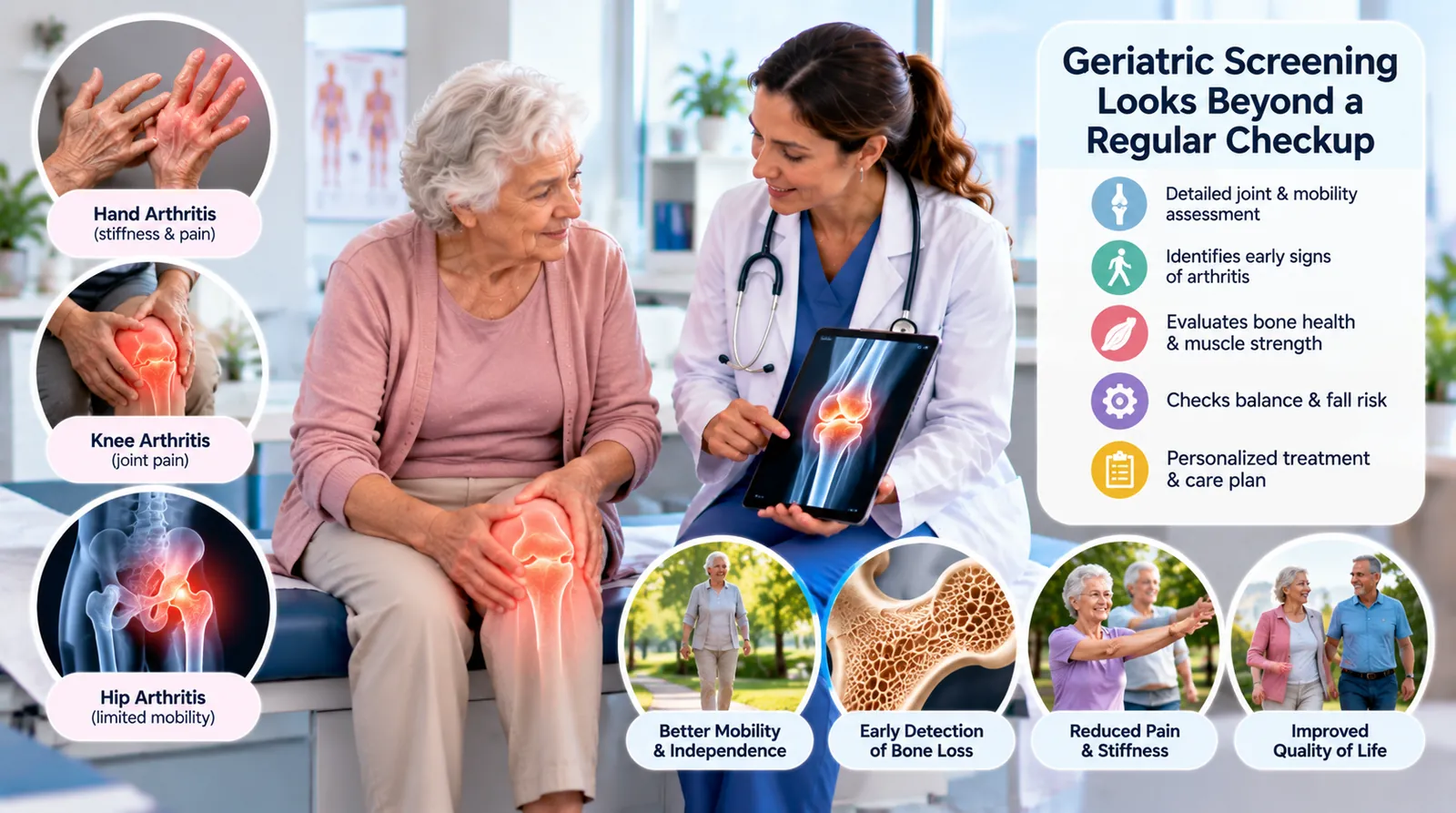 Geriatric Screening Catches
Arthritis After 65: Why Geriatric Screening Catches What Regular Checkups Miss
Nearly half of adults 65 and older have been diagnosed with arthritis, and among people specifically living with osteoarthritis, close to half are 65 or older. Despite how common arthritis in older.
Medically reviewed by Kel Healthcare Medical Team
Read Article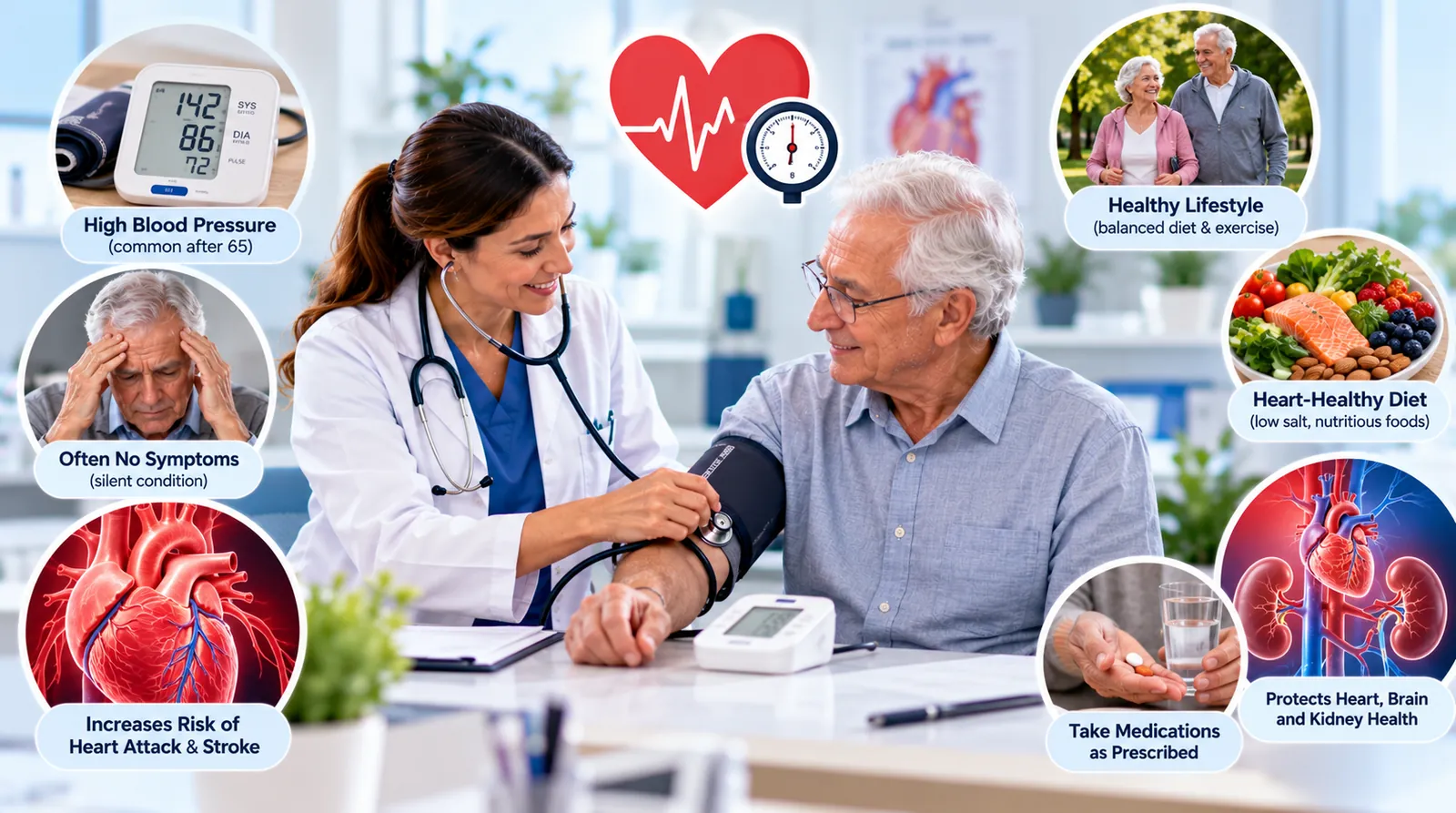 Hypertension in Seniors
: The Most Common Condition After 65
Ask most doctors what the single most common health condition is after age 65, and the answer is almost always the same: hypertension. Depending on how it's measured, somewhere between 58% and.
Medically reviewed by Kel Healthcare Medical Team
Read Article