Diagnostic TestingBy Kel Healthcare Team
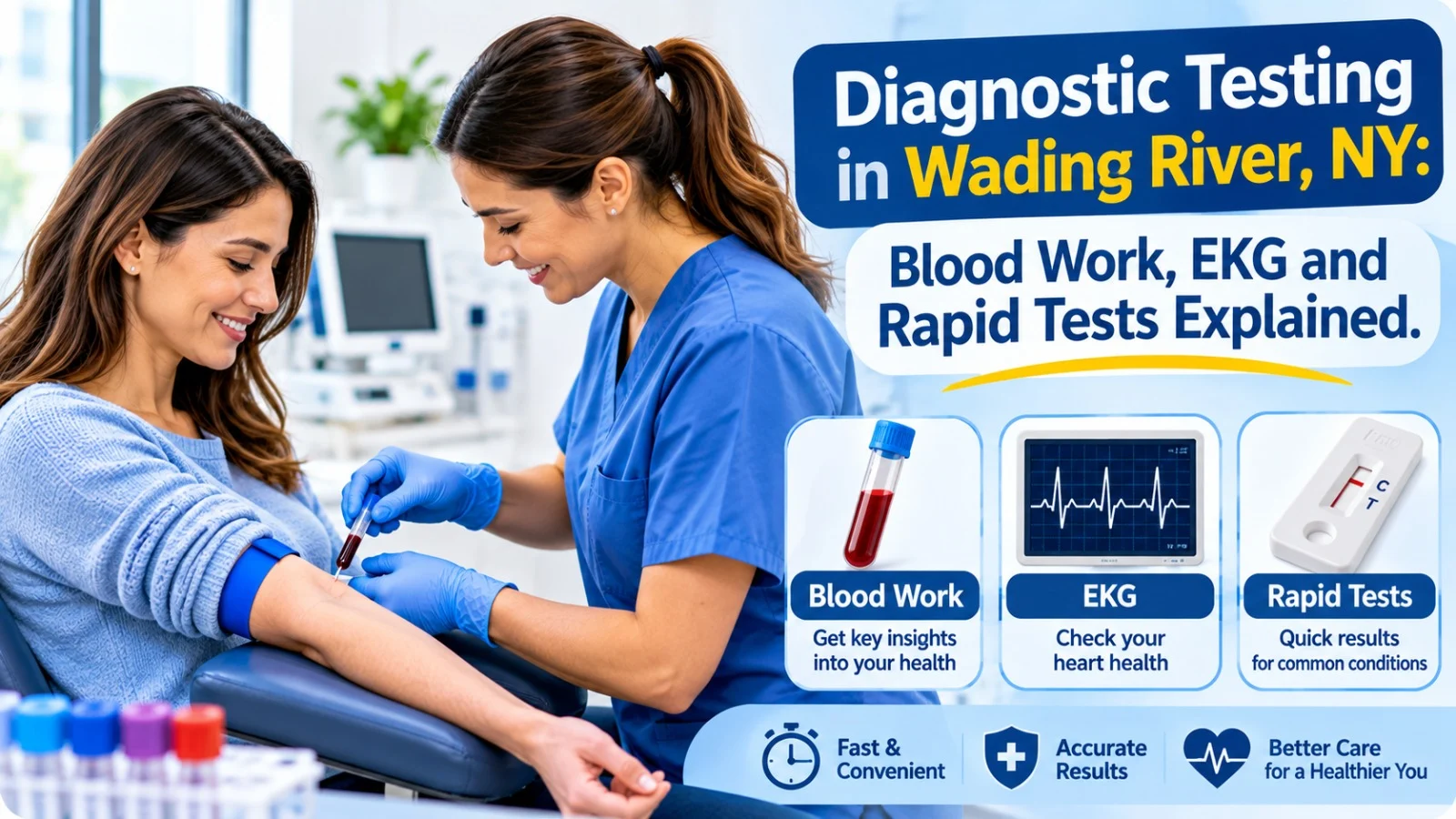
Diagnostic Testing in Wading River, NY: Blood Work, EKG and Rapid Tests Explained
Need blood work, an EKG or rapid tests in Wading River, NY? Learn what common diagnostic tests measure, how to prepare and what happens after your results.
Introduction
When symptoms do not add up, or when it is time to check on a long-term condition, diagnostic testing in Wading River, NY gives your clinician objective information to work with. Instead of guessing, a test can confirm, rule out or track what is happening in your body.
This guide explains what common diagnostic tests measure, how to prepare, what the visit is like and what happens after your results come in at KEL Healthcare's Wading River clinic.
What is diagnostic testing?
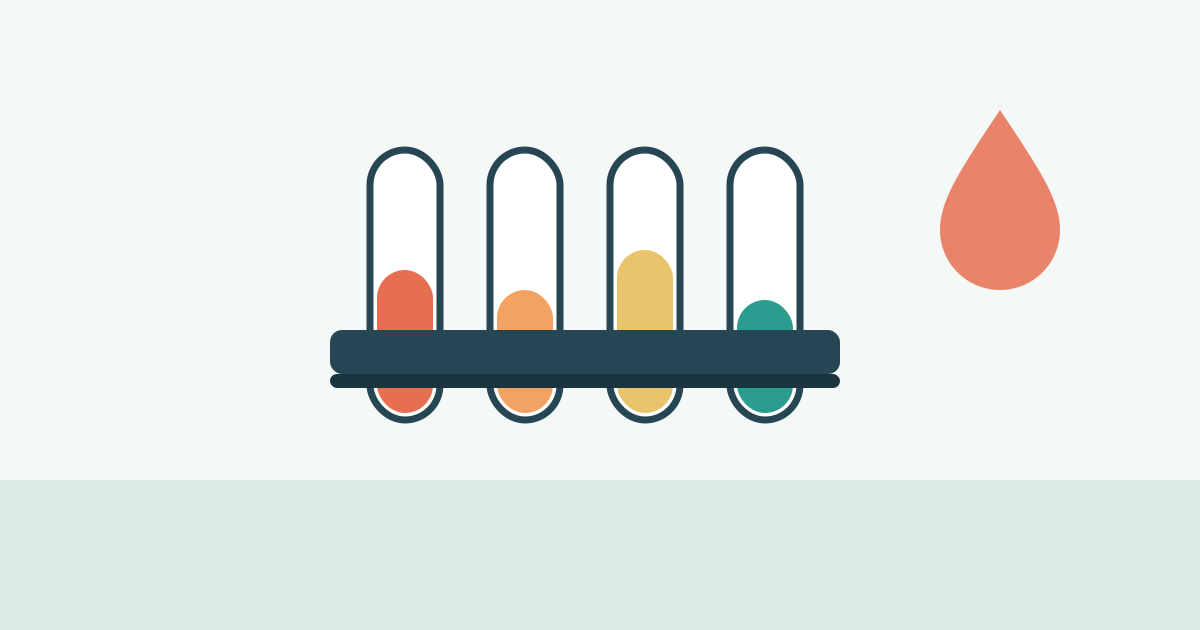
Diagnostic testing is any test used to find the cause of symptoms, screen for a condition early or monitor a condition you already have. At KEL, diagnostic testing includes on-site lab work, blood tests, EKG and rapid tests, and your clinician can arrange more specialized imaging through referral services when your care calls for it.
Tests are ordered because of your history, symptoms and risk factors, not as a one-size-fits-all package. Your clinician decides which ones fit your situation.
Common tests and what they show
| Test | What it looks at | Preparation tips |
|---|---|---|
| Complete blood count (CBC) | Red and white blood cells and platelets, which can point to anemia, infection or other blood conditions | Usually no special preparation; follow your clinician's instructions |
| Comprehensive metabolic panel (CMP) | Blood sugar, electrolytes and markers of kidney and liver function | Often requires fasting for several hours; confirm first |
| Lipid panel | Cholesterol and triglycerides, which relate to heart health | May require fasting; confirm first |
| Hemoglobin A1C | Average blood sugar over roughly the past three months | Usually no fasting needed |
| EKG (electrocardiogram) | The heart's electrical activity, including rhythm | Painless; wear a top that is easy to open at the chest |
| Rapid tests | Quick answers for certain infections | Tell staff about your symptoms and when they began |
For plain-language explanations of individual tests, the National Library of Medicine's MedlinePlus guide to blood testing is a reliable place to read before your visit. It also has tips on how to prepare for a lab test.
How to prepare
A few simple steps help your test go smoothly and your results stay accurate:
- Ask whether fasting is needed and for how long. Do not fast unless you are told to.
- Drink water unless your clinician says otherwise.
- Bring a list of your medications and supplements.
- Wear sleeves that roll up easily.
- Bring your insurance card and any test orders from another provider.
- Mention anything that could affect results, such as a recent illness or a new medicine.
What the visit looks like
Most testing visits follow the same basic flow:
- Check-in, with a review of your orders and health history.
- A trained team member collects your sample or performs the test. An EKG takes only a few minutes.
- Samples are run on site or sent to a lab, depending on the test.
- Your clinician reviews the results and shares them with you by phone or at a follow-up visit.
Turnaround varies by test. Some rapid tests give answers during the visit, while many lab tests take longer, so ask when you can expect each result.
Understanding your results
A result outside the usual range is a reason for a conversation, not automatically a diagnosis. Age, medications, hydration and recent illness can all affect numbers. Our guide to understanding your diagnostic testing results explains how to read a report, and EKG, X-ray or ultrasound: which test do you need helps you understand how different tests compare.
If results point to a problem that needs a specialist, KEL's referral team can schedule the appointment and securely share your records. Read how that works in doctor referral services in Wading River.
Who benefits from testing
- Adults due for routine screening as part of an annual checkup
- People managing diabetes, high blood pressure, high cholesterol or kidney concerns
- Anyone starting or adjusting a medication that needs monitoring
- Patients with symptoms their clinician wants to investigate
Testing often goes hand in hand with chronic disease management and preventive care. It is not a substitute for emergency care. If you have chest pain, severe shortness of breath, fainting or signs of a stroke, call 911.
Visiting the Wading River clinic
- Address: 1866 Wading River Manor Road, Wading River, NY 11792
- Hours: Monday, Wednesday and Saturday, 9 AM to 2 PM
- Phone: (929) 466-4070
- Parking: free on-site parking outside the entrance, with a step-free entrance
Availability of specific tests can vary, so ask when you book whether the test you need is offered on site that day. You can book an appointment online or contact the team.
Conclusion
Good testing starts with the right question and ends with a clear plan. If your clinician has recommended tests, or you want to know whether any are right for you, book a visit at the Wading River clinic. This article is general information and does not replace personal medical advice.
Frequently Asked Questions
More from our blog
 Chronic Disease Management
 in Brooklyn, NY: The Numbers to Track and How Often to Check In
Living with diabetes, high blood pressure, asthma or high cholesterol in Brooklyn? Learn which numbers matter, what a follow-up visit covers and how KEL Healthcare's Crown Heights clinic supports ongoing care.
Medically reviewed by Dr. Karl E. Latortue, MD
Read Article Primary Care
Family Medicine Clinic in Wading River, NY: How to Organize Your Family's Health Records, Appointments and Care Plans
Keeping a household's health straight takes a system. Learn how to build a health folder, track medications and checkups, share family history and use a Wading River family medicine clinic as your home base.
Medically reviewed by Dr. Karl E. Latortue, MD
Read Article Primary Care
Medical Center in Woodside, NY: What to Look For and What KEL Healthcare Offers
Searching for a medical center in Woodside, NY? Learn what the term really means, a 7-point checklist for choosing one, and the services available at KEL Healthcare on Roosevelt Avenue.
Medically reviewed by Dr. Karl E. Latortue, MD
Read Article