Fasting Before BloodworkBy Kel Healthcare Medical Team
Fasting Before Bloodwork: What You Can and Can't Do Beforehand
Fasting before bloodwork sounds simple in theory, don't eat, show up, get your blood drawn. But in practice, the rules are more specific than most people realize, and small mistakes can throw off.
Introduction
Fasting before bloodwork sounds simple in theory, don't eat, show up, get your blood drawn. But in practice, the rules are more specific than most people realize, and small mistakes can throw off results enough to require a repeat visit. Can you drink water? What about coffee? Do medications count as breaking a fast?
These blood test preparation tips exist for a reason: certain lab values, like glucose and triglycerides, are directly affected by recent food intake, and inaccurate results can lead to unnecessary follow-up testing or a misreading of your actual health status.
This guide breaks down exactly what fasting before bloodwork requires, what's actually allowed, and the most common mistakes that quietly compromise results.
Why Fasting Is Required for Certain Blood Tests
Eating triggers changes in blood sugar, fat levels, and certain hormones almost immediately. For tests measuring these values, recent food intake can produce a temporarily skewed reading that doesn't reflect your baseline health. Fasting before bloodwork removes that variable, giving your doctor an accurate resting measurement to work with.
Which Tests Actually Require Fasting
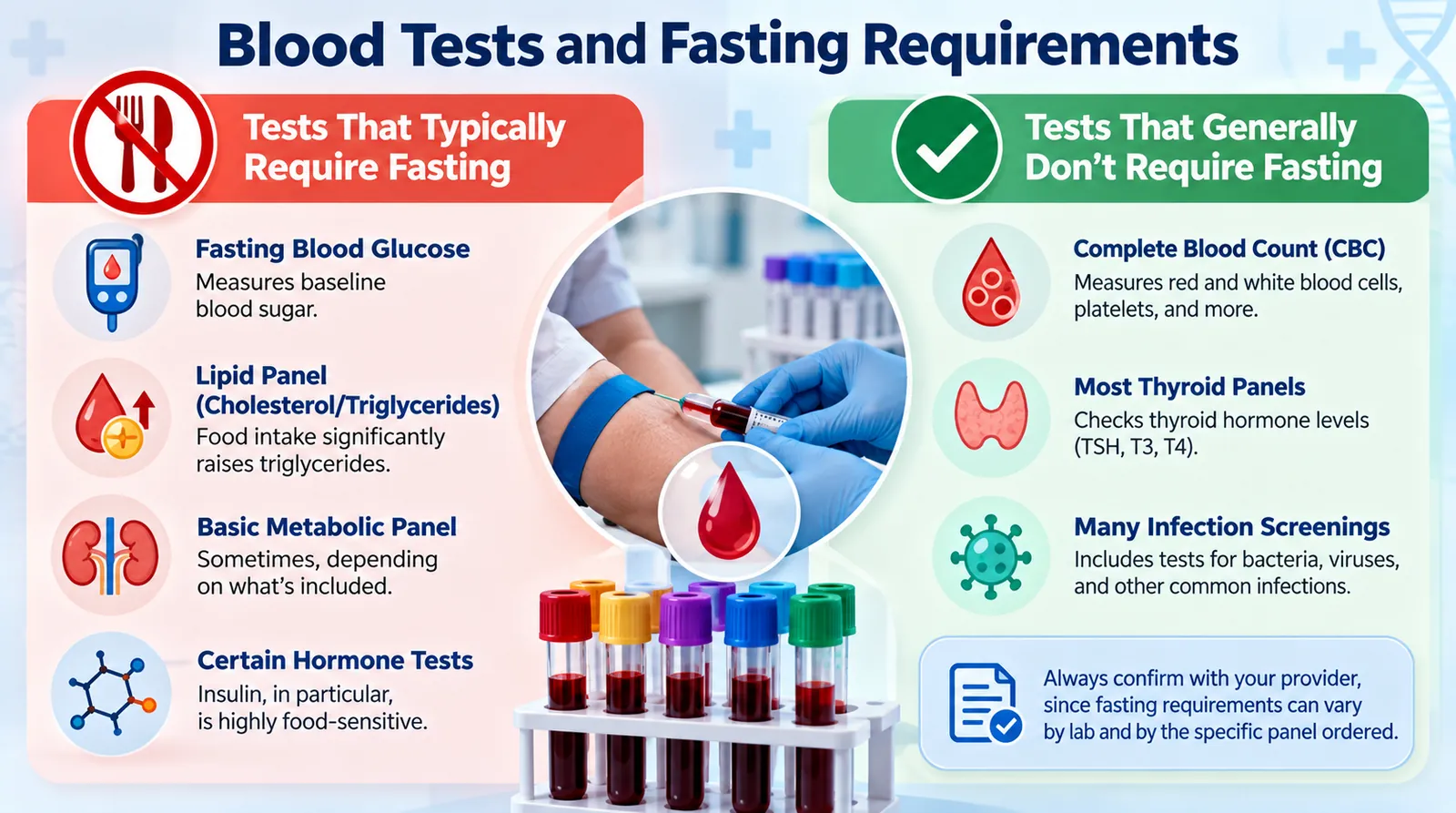
Not every blood test requires fasting. Common tests that typically do include:
- Fasting blood glucose: measures baseline blood sugar
- Lipid panel (cholesterol/triglycerides): food intake significantly raises triglycerides
- Basic metabolic panel: sometimes, depending on what's included
- Certain hormone tests: insulin, in particular, is highly food-sensitive
Tests that generally don't require fasting include complete blood counts (CBC), most thyroid panels, and many standard infection screenings. Always confirm with your provider, since requirements can vary by lab and by the specific panel ordered.
What You Can Do While Fasting
Fasting before bloodwork is more limited than a full fast, but a few things remain allowed:
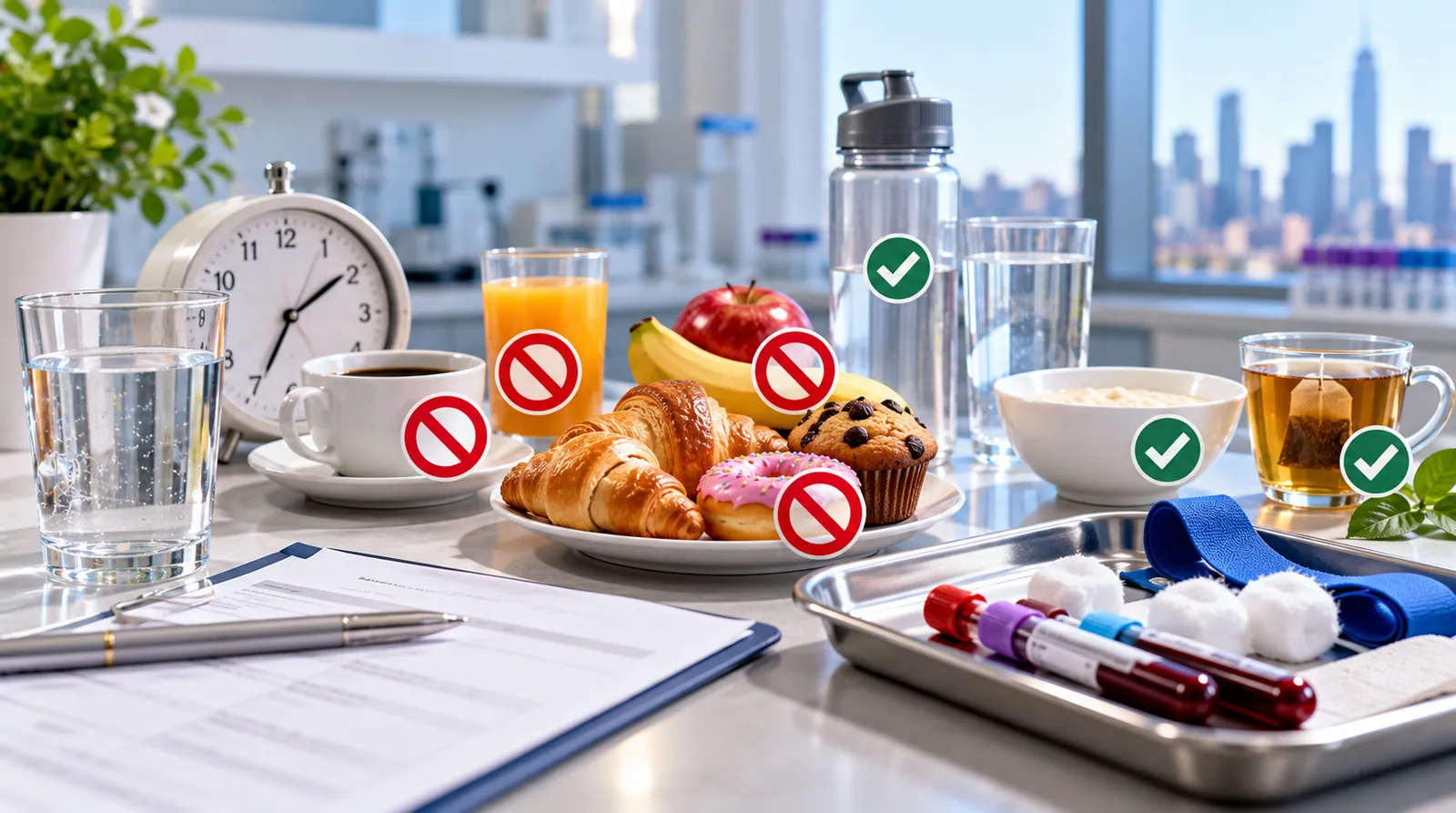
- Drink plain water: staying hydrated is not only allowed but encouraged
- Take prescribed medications, unless your doctor specifically instructs otherwise
- Brush your teeth: toothpaste in small amounts is generally not a concern
- Chew sugar-free gum in most cases: though it's best to ask your provider if unsure
What You Can't Do While Fasting
To keep results accurate, avoid the following during your fasting window:
- Eating any food, including small snacks
- Drinking anything other than water: coffee, tea, juice, and soda are all off-limits, even without sugar or cream
- Chewing gum with sugar
- Smoking, which can affect certain test results
- Alcohol, which should typically be avoided for at least 24 hours before testing
- Vigorous exercise right before the draw, which can temporarily alter some blood values
Blood Test Preparation Tips for Medications
Medications are one of the most common points of confusion. General blood test preparation tips include:
- Most medications can be taken as normal unless your doctor says otherwise
- Some tests (like certain hormone panels) may require timing medication around the blood draw
- Always tell the phlebotomist and your doctor about all medications and supplements you're taking
- Never stop a prescribed medication without explicit guidance from your doctor, even for testing purposes
How Long Should You Actually Fast?
| Test | Typical Fasting Window |
|---|---|
| Fasting glucose | 8–10 hours |
| Lipid panel | 9–12 hours |
| Basic metabolic panel | 8–10 hours (if required) |
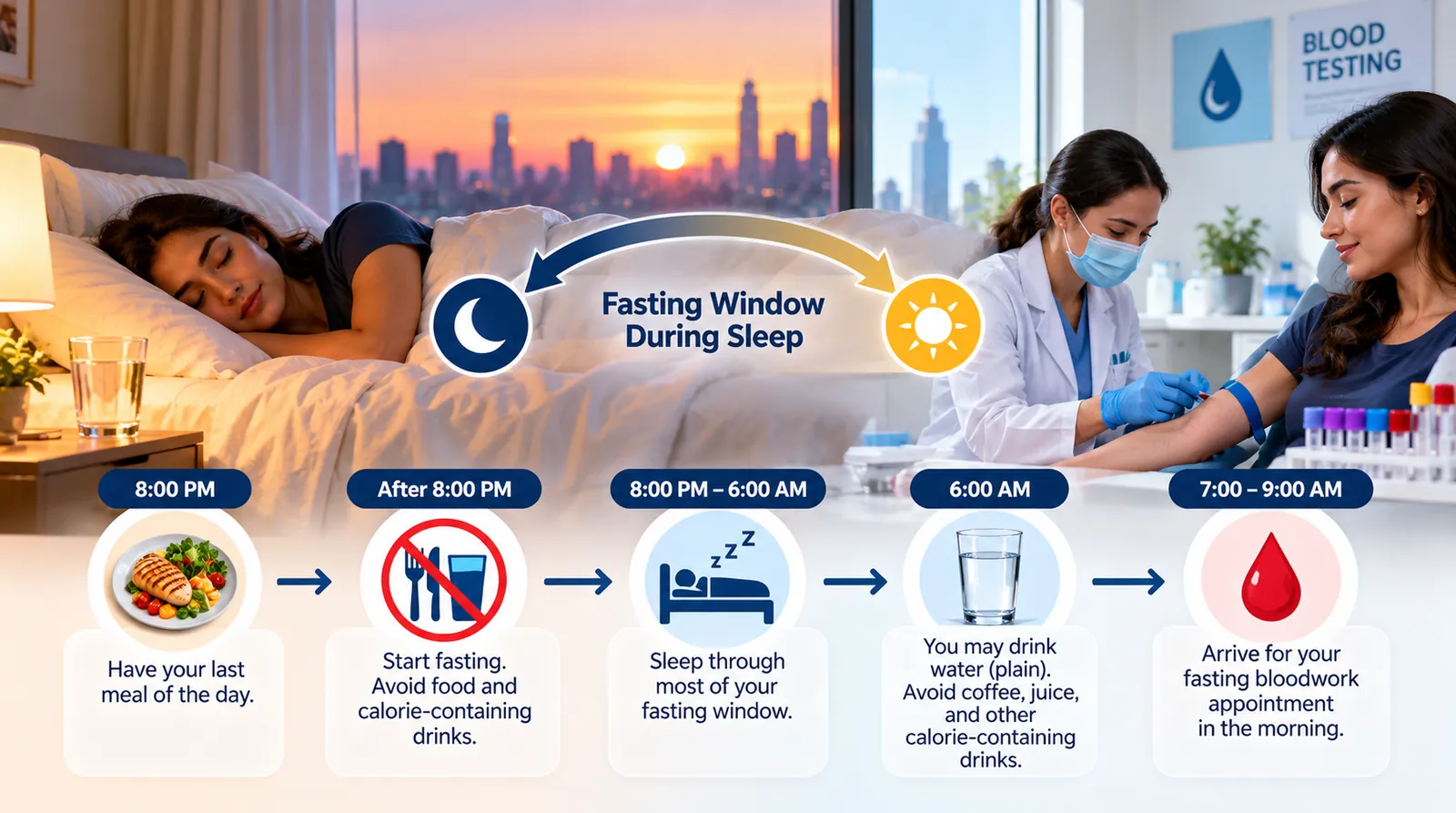
Most people schedule fasting bloodwork in the early morning, allowing the fasting window to overlap with normal sleep hours to make the process easier.
Common Fasting Mistakes That Skew Results
- Drinking coffee "because it's just black coffee": caffeine can still affect certain results
- Assuming diet soda doesn't count: any calories or additives can interfere with fasting requirements
- Chewing regular gum, which contains sugar
- Exercising heavily beforehand, thinking it will "help" the results
- Forgetting the fast applies the night before, not just the morning of
What Happens If You Accidentally Break Your Fast
If you eat or drink something you shouldn't have, tell the lab or your provider before your blood draw rather than after. In many cases, the appointment can simply be rescheduled rather than producing results that require unnecessary follow-up testing.
Conclusion
Fasting before bloodwork isn't complicated once you know the actual rules, water is fine, food and most beverages aren't, and medications usually continue as normal unless told otherwise. Following these blood test preparation tips helps ensure your results reflect an accurate picture of your health, without the hassle of a repeat visit.
If you're ever unsure whether something breaks your fast, it's always worth a quick call to your provider or lab before your appointment rather than guessing.
Frequently Asked Questions
More from our blog
 Immune Support Infusions
: Do They Actually Help During Cold and Flu Season?
As cold and flu season approaches, interest in immune-boosting IV infusion spikes right along with it. Clinics see a surge of people looking for a fast, direct way to support their immune system.
Medically reviewed by Kel Healthcare Medical Team
Read Article Small Habit Changes
 That Make the Biggest Health Impact
Building healthy lifestyle habits doesn't require an overnight transformation. In fact, the changes that stick, and actually move the needle on long-term health, are usually small, specific, and.
Medically reviewed by Kel Healthcare Medical Team
Read Article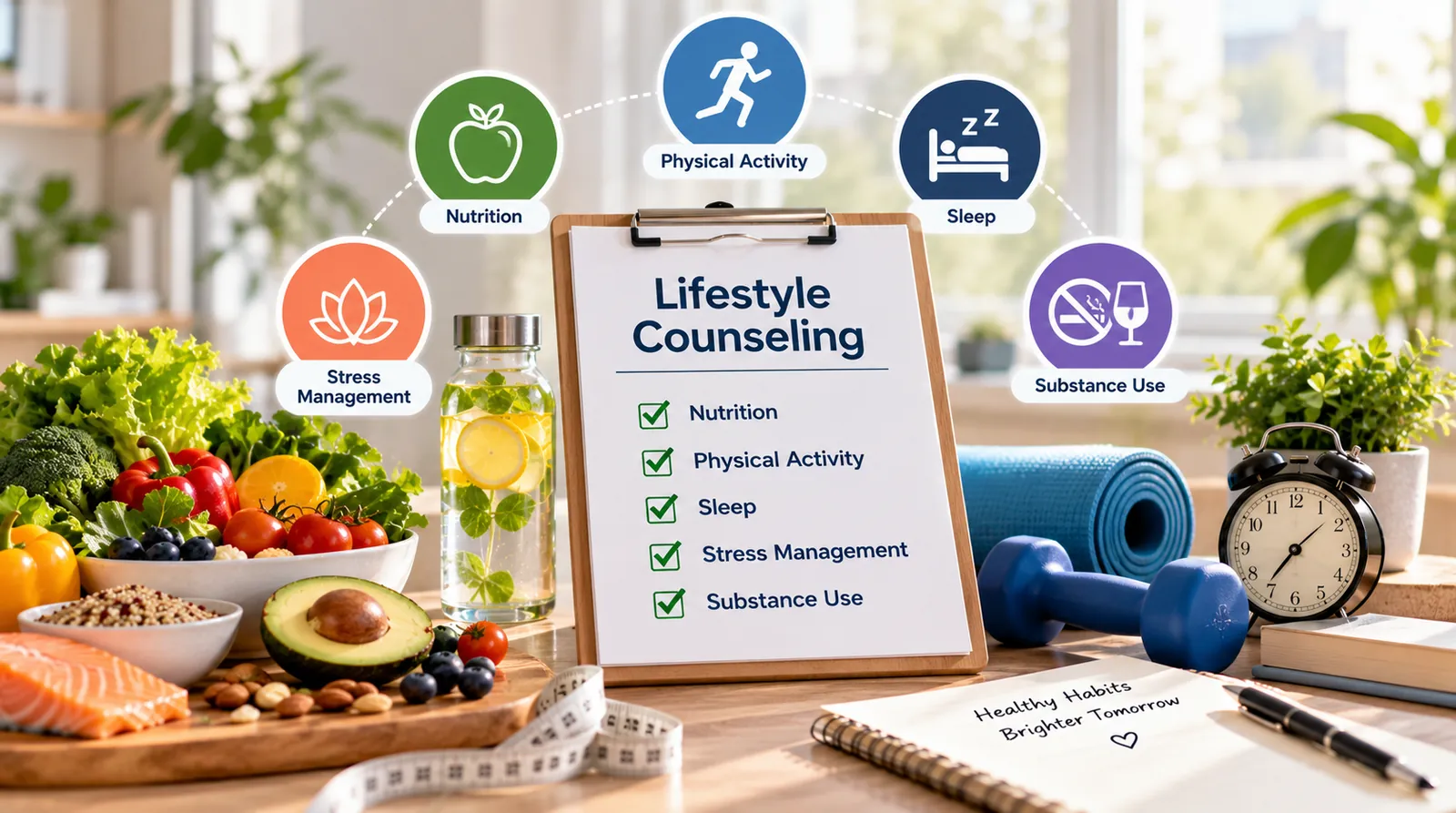 Lifestyle Counseling
What Is Lifestyle Counseling and How Does It Support Long-Term Health?
Lifestyle counseling is a structured approach to health that focuses on the daily habits driving chronic disease, nutrition, physical activity, sleep, stress, and substance use, rather than.
Medically reviewed by Kel Healthcare Medical Team
Read Article