Immune Support InfusionsBy Kel Healthcare Medical Team
Immune Support Infusions: Do They Actually Help During Cold and Flu Season?
As cold and flu season approaches, interest in immune-boosting IV infusion spikes right along with it. Clinics see a surge of people looking for a fast, direct way to support their immune system.

Introduction
As cold and flu season approaches, interest in immune-boosting IV infusion spikes right along with it. Clinics see a surge of people looking for a fast, direct way to support their immune system, and vitamin C infusion immune support treatments are often marketed as a way to prevent illness or shorten recovery time.
But how much of this is backed by evidence, and how much is marketing? The honest answer sits somewhere in between. IV infusions can deliver higher concentrations of nutrients than oral supplements, but that doesn't automatically translate into guaranteed immune protection or a cure for the common cold.
This guide breaks down what immune support infusions actually do, what the research says, and how to think about them realistically as part of a cold and flu season routine.
What Is an Immune Boost IV Infusion?
An immune boost IV infusion delivers a blend of vitamins, minerals, and fluids directly into the bloodstream, bypassing the digestive system. Because absorption isn't limited by how much the gut can process, IV infusions can deliver higher concentrations of certain nutrients than oral supplements would allow.
These infusions are commonly offered at wellness clinics and marketed heavily during cold and flu season as a proactive or recovery-focused option.
What's Typically in an Immune Support Infusion
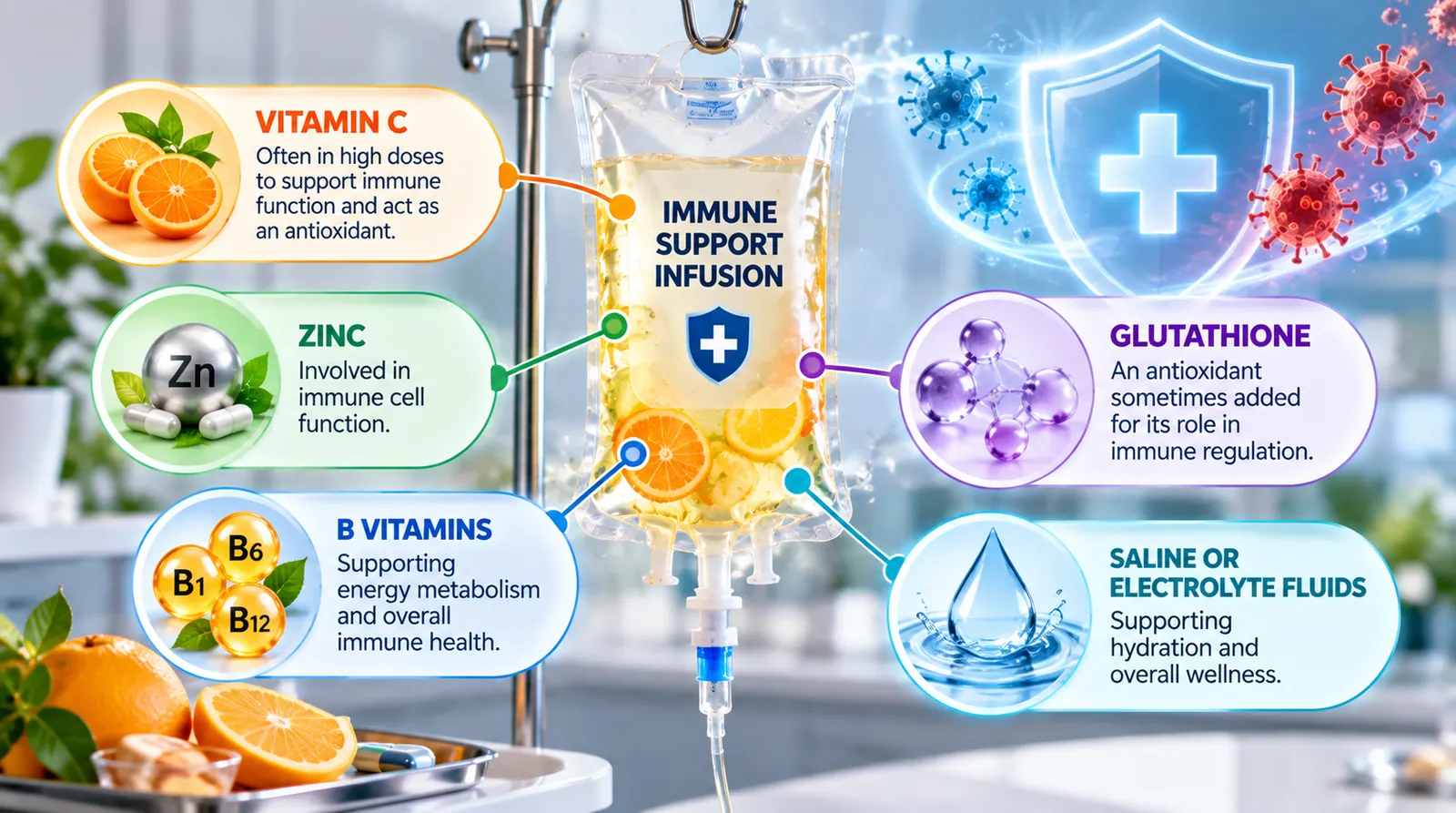
Most immune-focused IV formulas include some combination of:
- Vitamin C: often in high doses
- Zinc: involved in immune cell function
- B vitamins: supporting energy metabolism
- Glutathione: an antioxidant sometimes added for its role in immune regulation
- Saline or electrolyte fluids: supporting hydration
What the Research Actually Says
The evidence on IV immune infusions is mixed and often less conclusive than marketing suggests:
- Vitamin C has been studied for reducing the duration and severity of colds, though results are modest rather than dramatic
- IV administration does raise blood nutrient levels faster than oral intake, but higher levels don't automatically mean stronger immune function
- Most research on vitamin C and immunity has focused on regular, moderate supplementation, not occasional high-dose IV sessions
- There is limited large-scale clinical evidence specifically supporting IV infusions for preventing colds or flu in healthy individuals
This doesn't mean infusions are ineffective for everyone, but it does mean claims of guaranteed prevention or dramatic immune "boosting" go beyond what current research supports.
Vitamin C Infusion Immune Support: The Specifics
Vitamin C plays a genuine role in immune function, it supports white blood cell activity and acts as an antioxidant. A vitamin C infusion immune support session delivers levels far higher than what's achievable through diet or oral supplements alone, since the body limits oral absorption at high doses.
However:
- Vitamin C deficiency is uncommon in people with a reasonably balanced diet
- Most people without a deficiency won't see dramatic differences from extremely high IV doses compared to adequate oral intake
- The clearest benefit tends to be for people with an existing deficiency or increased needs due to illness, stress, or certain health conditions
Who Might Benefit Most
IV immune support may be more relevant for:
- People with documented nutrient deficiencies
- Those with absorption issues (certain gastrointestinal conditions)
- Individuals recovering from illness who have difficulty eating or retaining fluids
- People under a doctor's care for a specific, diagnosed need
What IV Infusions Can't Do
To set realistic expectations, immune infusions are not:
- A guaranteed way to prevent colds or flu
- A substitute for vaccination
- A cure for an active illness
- A replacement for consistent, healthy lifestyle habits
Framing them as a "quick fix" for immune health oversells what the current evidence supports.
Safer Ways to Support Your Immune System
Alongside or instead of infusions, the most consistently supported immune-support strategies include:
- Getting adequate sleep: critical for immune cell regulation
- Managing stress: chronic stress suppresses immune response
- Eating a nutrient-dense diet with adequate vitamin C, zinc, and vitamin D
- Staying physically active
- Practicing good hygiene: handwashing, especially during cold and flu season
- Staying current on recommended vaccinations
What to Expect During a Session
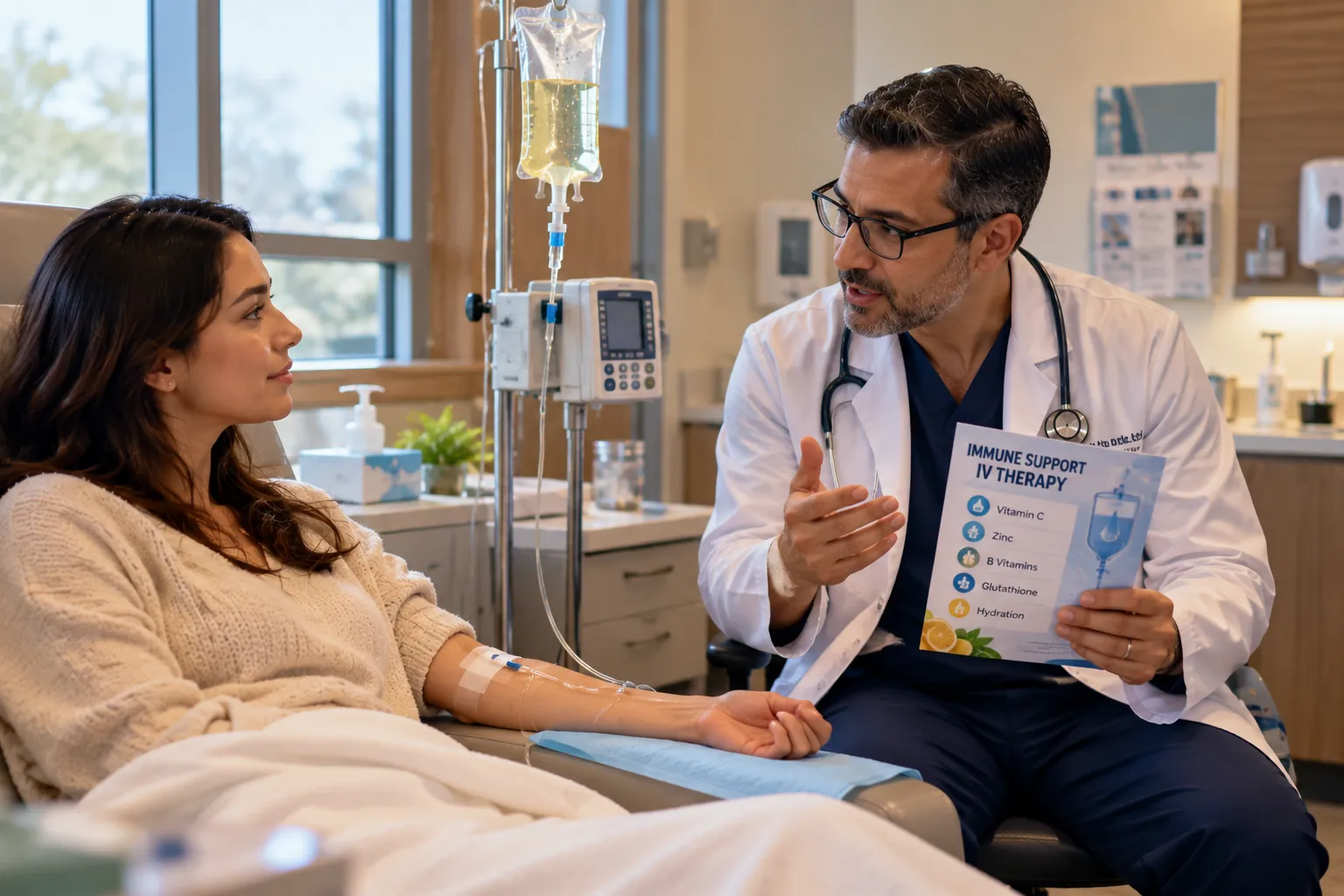
A typical immune boost IV infusion session takes 30–45 minutes. Patients are seated comfortably while the solution is administered through a small IV line, and most people can resume normal activities immediately afterward. Side effects are generally mild but can include minor bruising at the injection site or a brief metallic taste during administration.
Conclusion
An immune boost IV infusion can be a reasonable option for certain people, particularly those with documented deficiencies or specific health needs, but it isn't a guaranteed shield against cold and flu season. Vitamin C infusion immune support delivers real nutrients at high concentrations, yet the evidence doesn't support it as a substitute for sleep, nutrition, hygiene, and vaccination.
If you're considering an infusion this season, a conversation with a doctor about your specific health needs will give you a clearer picture of whether it's likely to help, and what else deserves a place in your immune health routine.
More from our blog
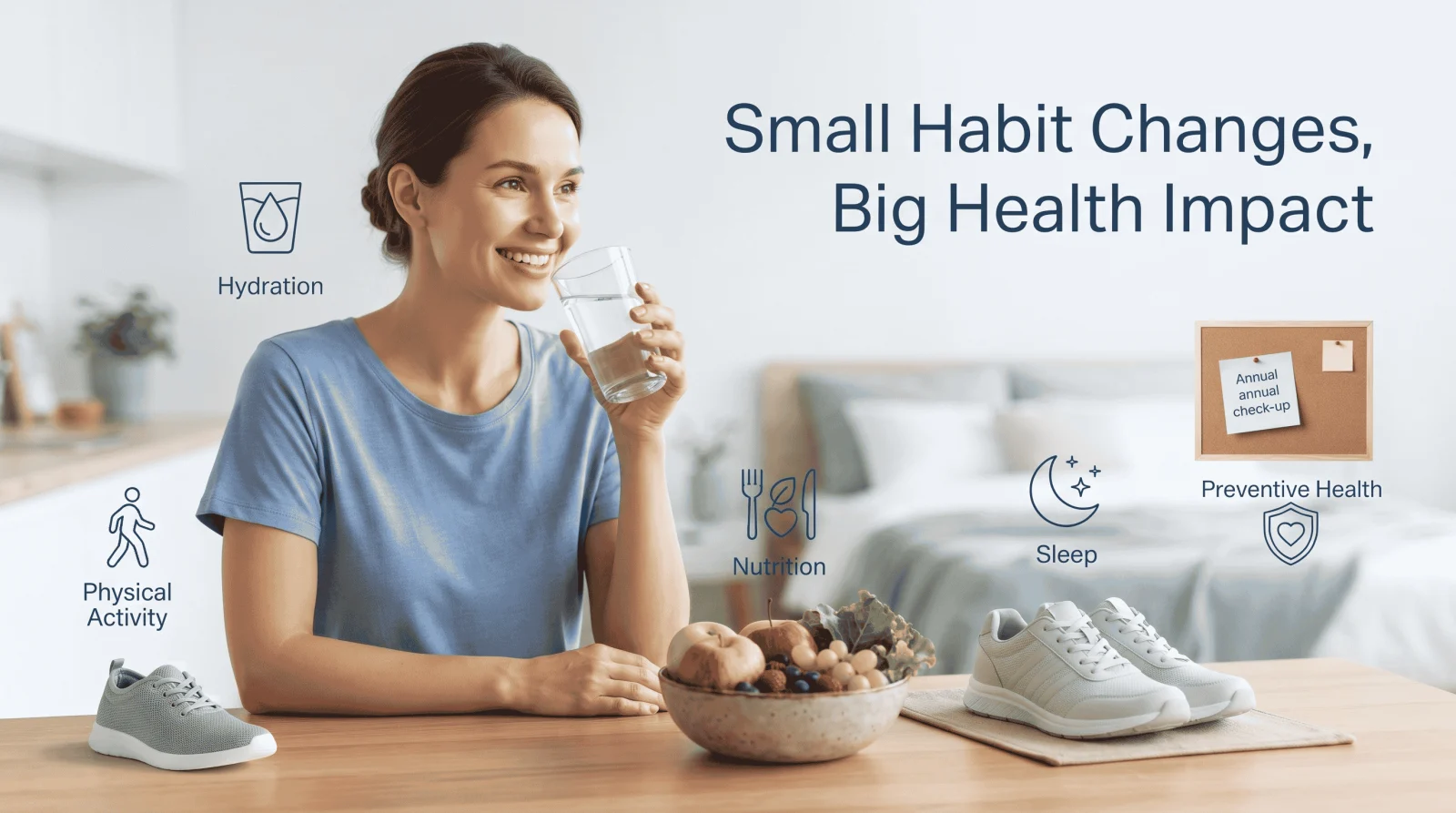 Small Habit Changes
 That Make the Biggest Health Impact
Building healthy lifestyle habits doesn't require an overnight transformation. In fact, the changes that stick, and actually move the needle on long-term health, are usually small, specific, and.
Medically reviewed by Kel Healthcare Medical Team
Read Article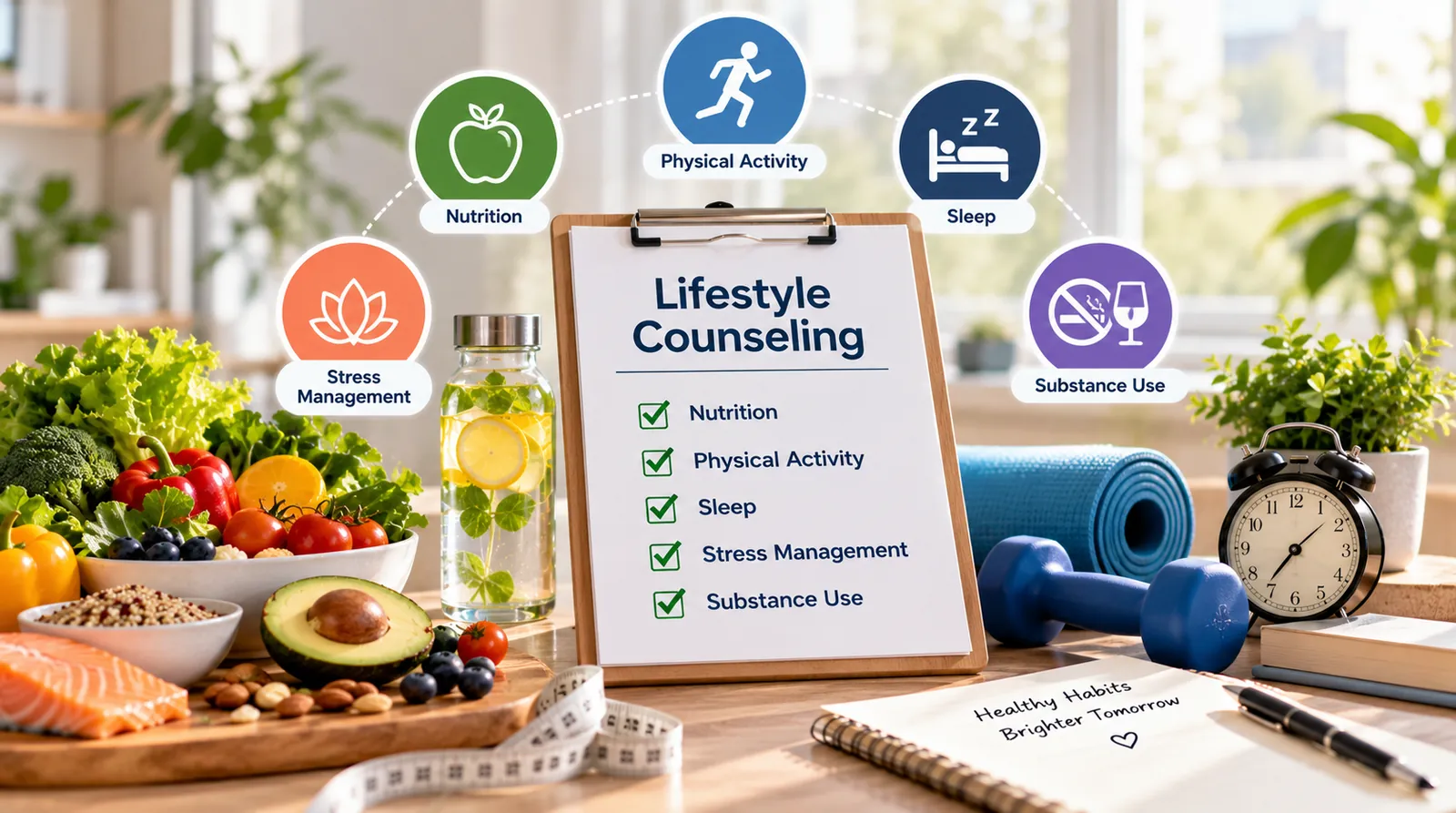 Lifestyle Counseling
What Is Lifestyle Counseling and How Does It Support Long-Term Health?
Lifestyle counseling is a structured approach to health that focuses on the daily habits driving chronic disease, nutrition, physical activity, sleep, stress, and substance use, rather than.
Medically reviewed by Kel Healthcare Medical Team
Read Article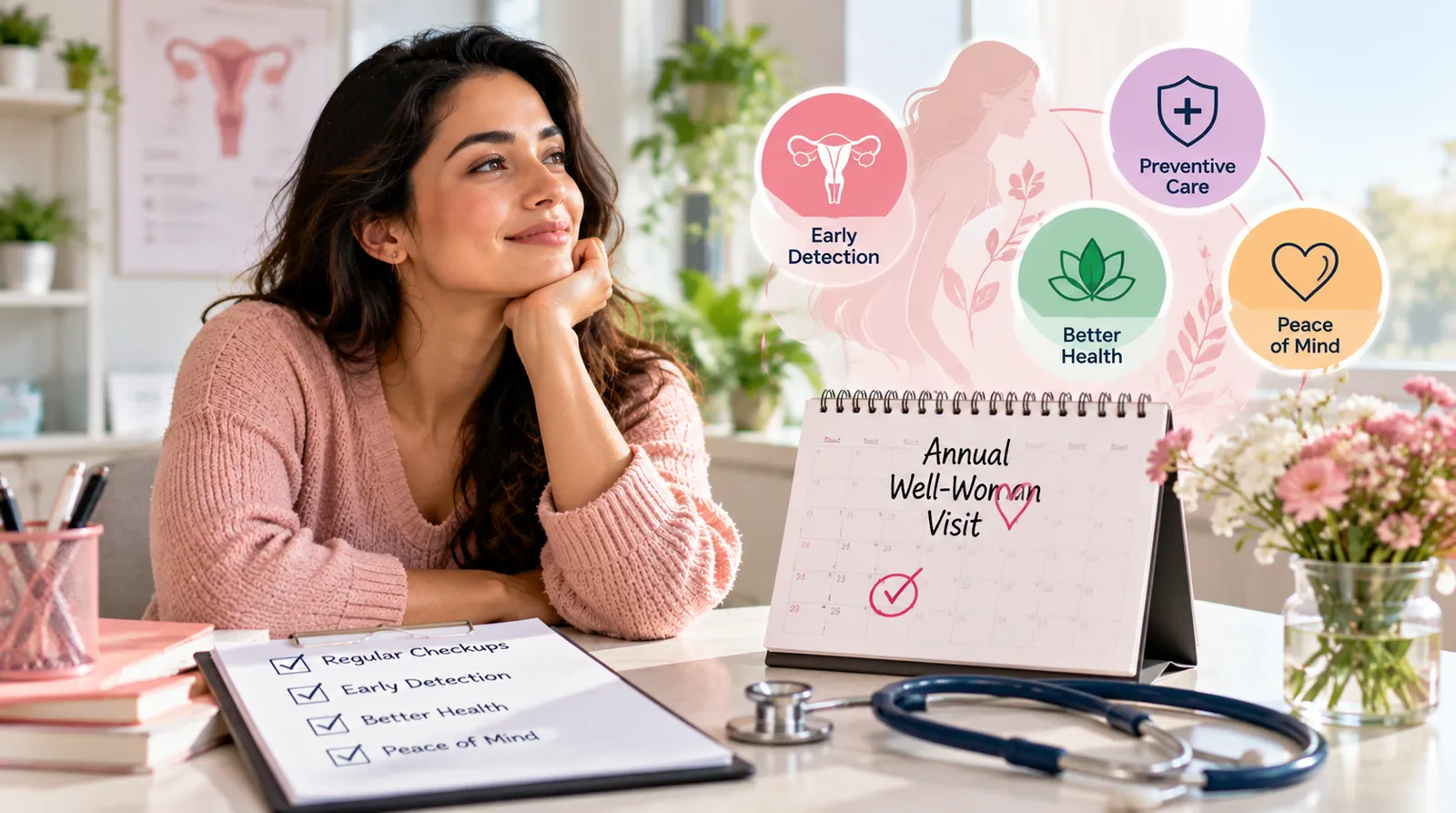 Why Annual Well-Woman Visits Matter
, Even When You Feel Fine
"I feel fine, so why do I need an appointment?" It's one of the most common reasons women delay scheduling a well-woman visit NY providers recommend every year. But feeling well and being well.
Medically reviewed by Kel Healthcare Medical Team
Read Article