“Son muy atentos y muy amables...”(They are very attentive and very kind.)
Fernanda Guerrero
Google review, Wading River clinic, 2026
Challenge
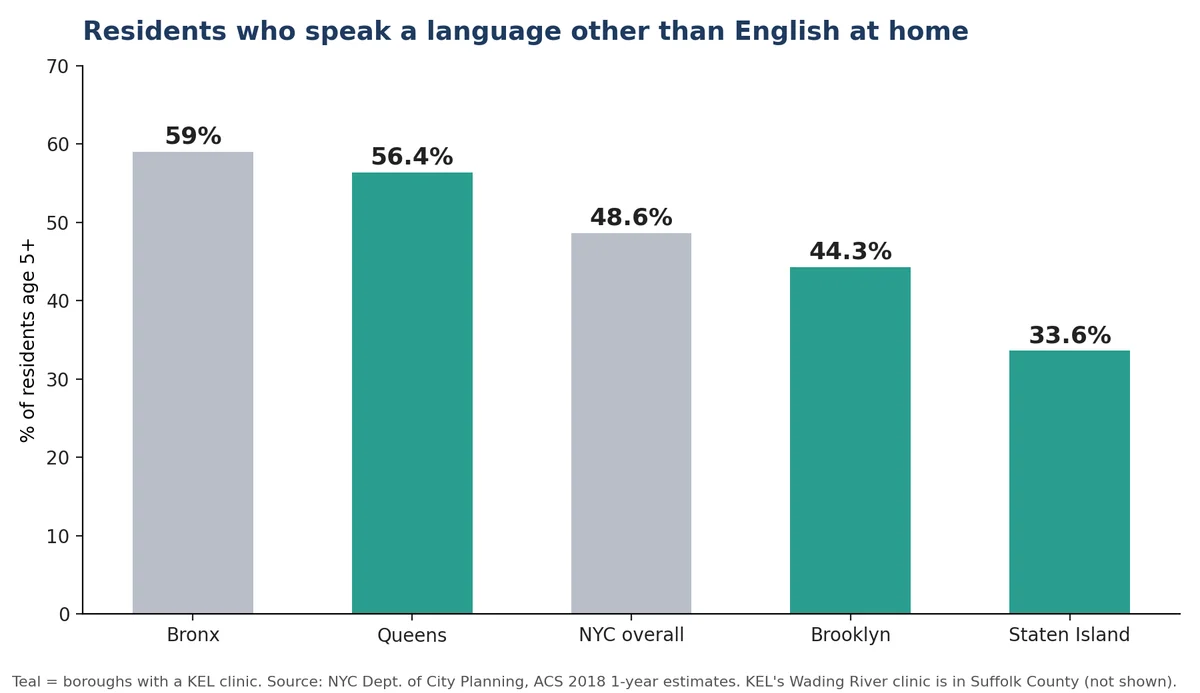
A history, a diagnosis and a medication plan all travel through conversation. In New York, that conversation often happens across languages. According to NYC Department of City Planning data, 56 percent of Queens residents speak a language other than English at home, compared with 49 percent citywide, 44 percent in Brooklyn and 34 percent in Staten Island. About 1.8 million New Yorkers, nearly one in four, have limited English proficiency.
Solution
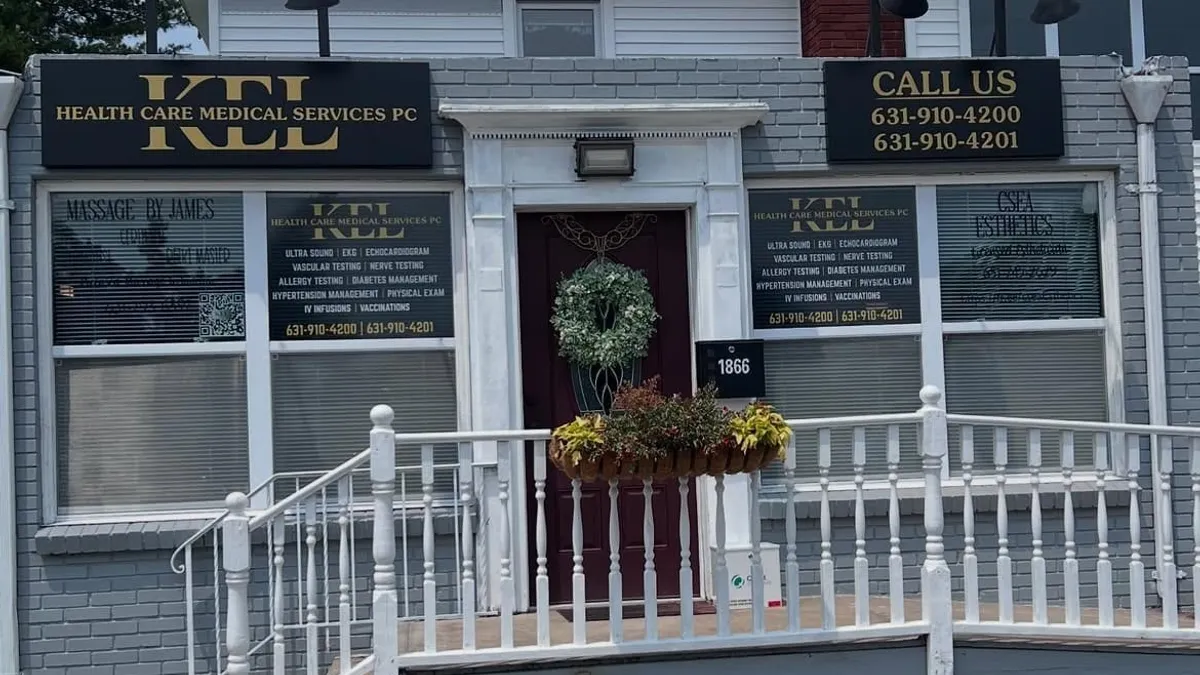
KEL Healthcare Medical Services serves patients across four clinics in Woodside, Staten Island, Wading River and Brooklyn. It describes its Staten Island clinic as multilingual, and its Medical Director, Dr. Amara Osei, who practices at Woodside and Staten Island, speaks English, Twi and French.
Results
Fernanda Guerrero did not mention a procedure or a diagnosis. She wrote, in Spanish, that the team was attentive and kind and that it was comfortable to talk with the doctor and staff. For a patient who may not be fully at ease in English, that sentence says a great deal.
Care only works if it's understood
The clinical risk is documented. A pilot study of 1,083 adverse-event reports from six US hospitals found that 49 percent of events involving patients with limited English proficiency caused some physical harm, versus 30 percent for English-speaking patients. Communication problems played a role in 52 percent of the former and 36 percent of the latter.
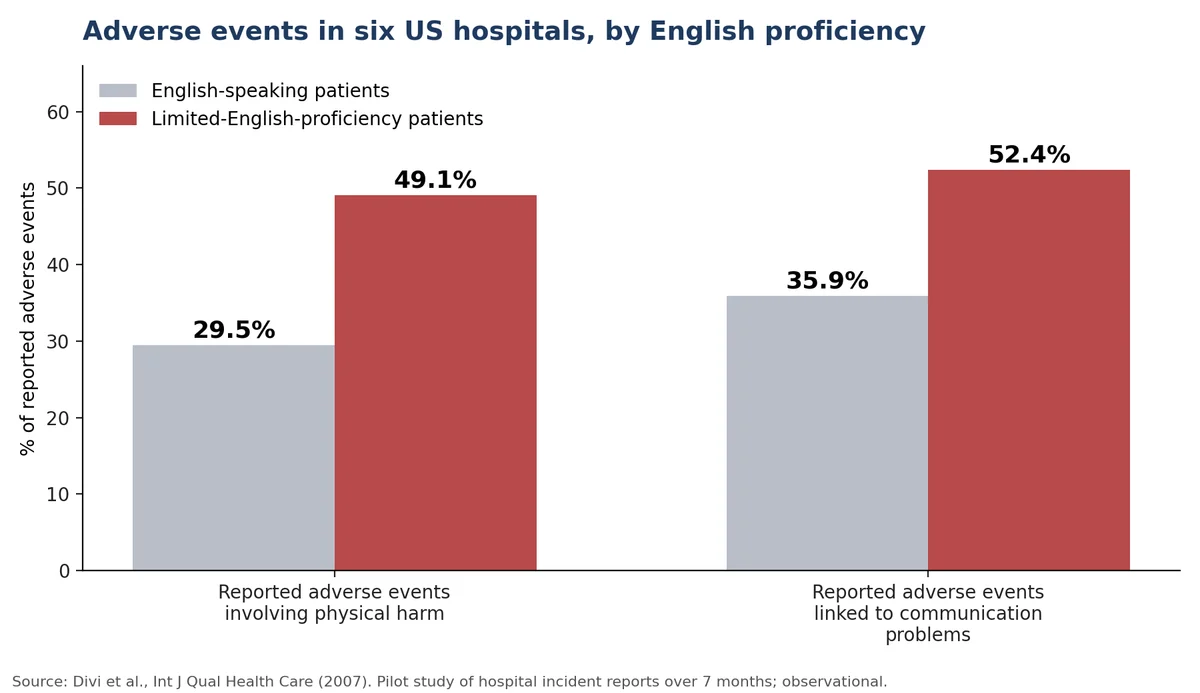
The study was small, observational and hospital-based, so it cannot prove cause. But the authors concluded that language barriers appear to raise safety risks. In primary care the problems are quieter: a dose misunderstood, a follow-up never booked, a symptom left unmentioned because the patient was not comfortable explaining it.
So a practice serving this region has a clear job. It has to make patients comfortable enough to ask.
A care model built around conversation
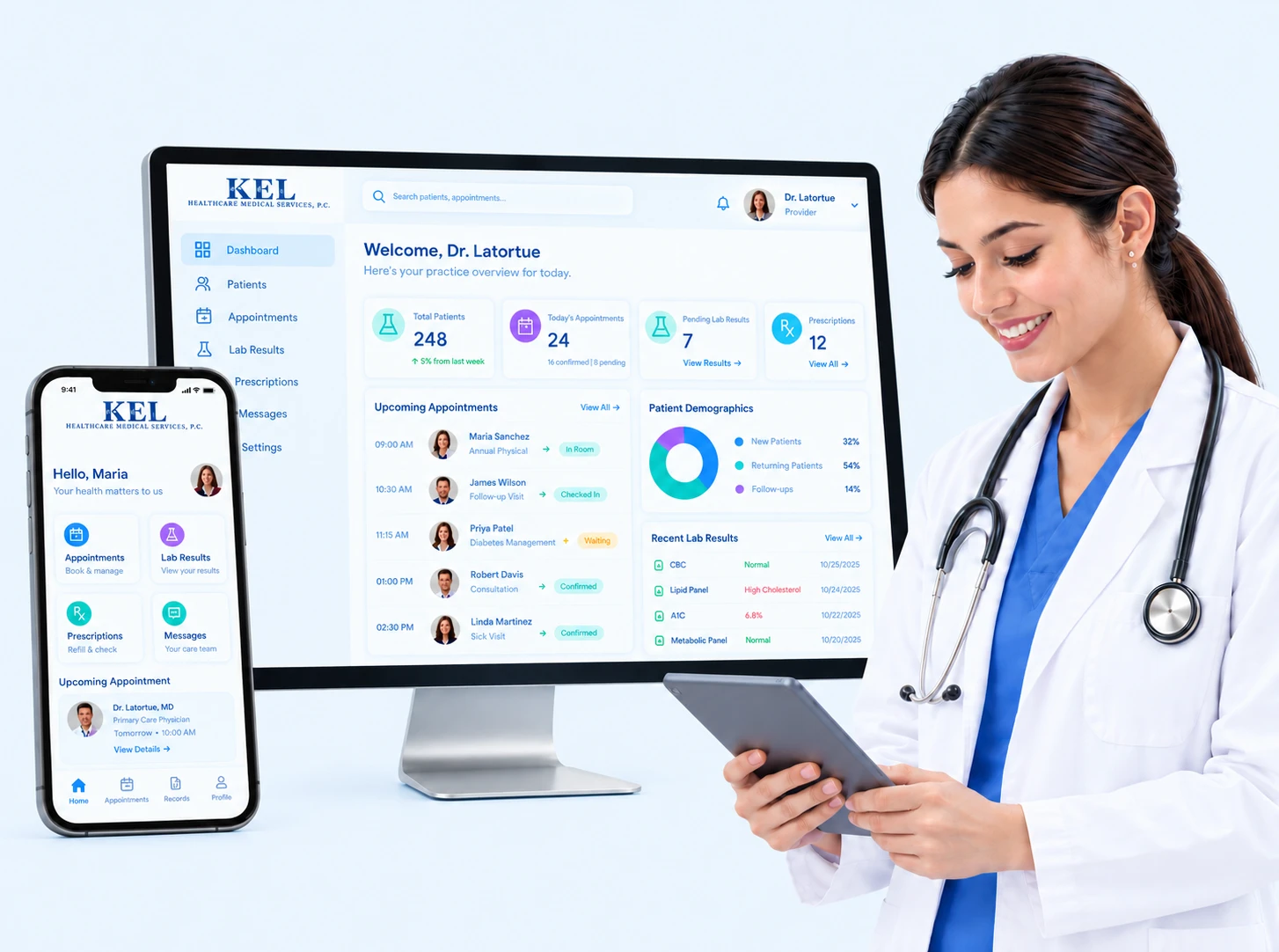
The model is designed to keep communication simple. Appointments are described as unhurried, with patients' questions and priorities shaping each decision. Results are explained in plain language. Treatment plans are reviewed and adjusted over time, and follow-up visits are scheduled so each appointment builds on the last.
Practical barriers are addressed too. The team verifies insurance before the visit and explains costs up front, and walk-ins are welcome at every location.
Results
Another Wading River patient, Erika Hamilton, described the medical team as "super helpful." The clinic's Google listing shows 4.7 out of 5 across 27 reviews, and KEL overall holds 4.9 out of 5 across more than 486 reviews, with 98 percent patient satisfaction reported across more than 25,000 patients.
There is room to improve. A February 2026 reviewer who praised the care at Wading River also found the office very difficult to reach. For patients who are less comfortable with English, an unanswered phone line can be the largest barrier of all.
A clinician's take on being understood
Every clinician has had a visit where the history did not quite add up because something was lost between question and answer. A patient who feels at ease volunteers more and returns for follow-up. A patient who does not may nod politely and leave unsure.
That is why a short comment like "comfortable to talk to" matters clinically. Comfort leads to disclosure, disclosure to an accurate picture, and an accurate picture to safer treatment.
What patients can take from this
If English is not your first language, say so when you book, and ask what language support the clinic offers. Bring your medications and questions, and ask your clinician to explain the plan in words you are comfortable with. KEL welcomes walk-ins and accepts most major plans, including Aetna, Cigna, UnitedHealthcare, Healthfirst, Fidelis Care, Medicare and Medicaid.