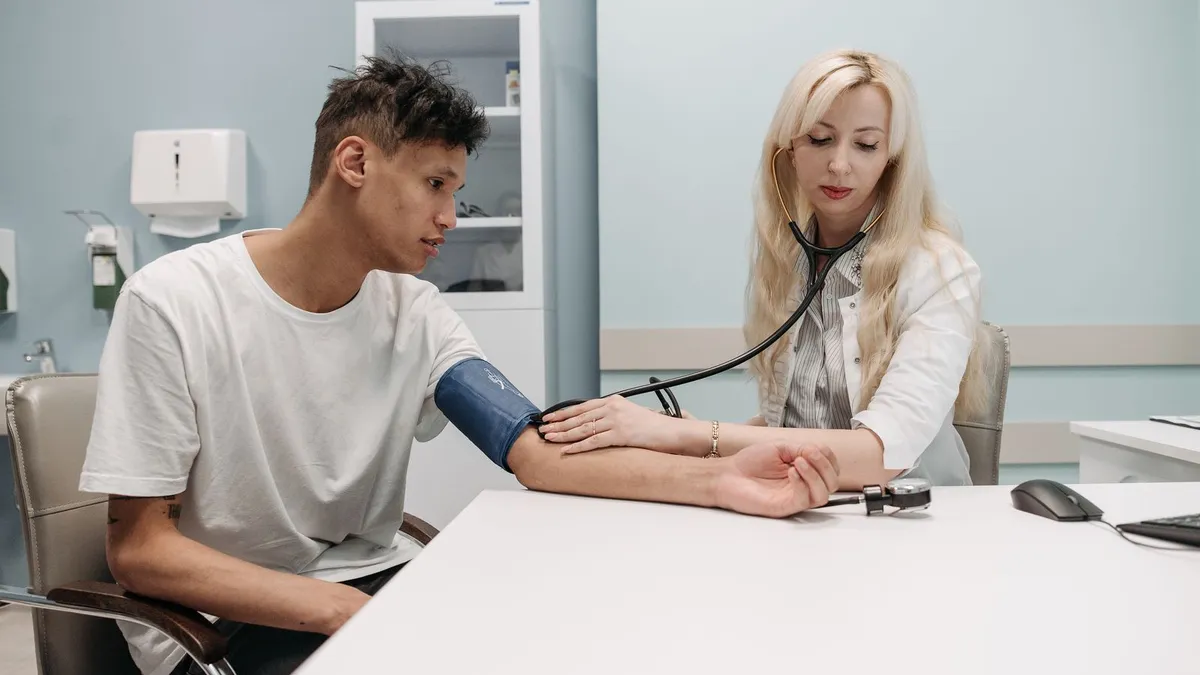
“Great experience the whole staff super nice and Danielle the doctor awesome.”
Jose Rios
Google review, July 2026
Challenge
The Association of American Medical Colleges projects a shortage of 13,500 to 86,000 U.S. physicians by 2036. Among all specialties, primary care is expected to see the most significant shortage, with a projected shortfall of 20,200 to 40,400 primary care physicians.
Solution
KEL Healthcare Medical Services uses a team-based model. Its board-certified physicians and nurse practitioners care for patients of all ages across Woodside, Staten Island, Wading River and Brooklyn. Leadership includes Dr. Amara Osei, MD, FAAFP, the medical director, and Dr. Karl E. Latortue, MD, an internist with more than 20 years of experience.
Results
Jose Rios described the whole staff as "super nice" and called Danielle "awesome." KEL's owner replied within two days, noting the team had made his experience great. The reply credited the whole team, which mirrors how patients describe their visits. His review sits alongside more than 486 others behind KEL's 4.9 out of 5 Google rating.
Demand for primary care is outgrowing the physician supply
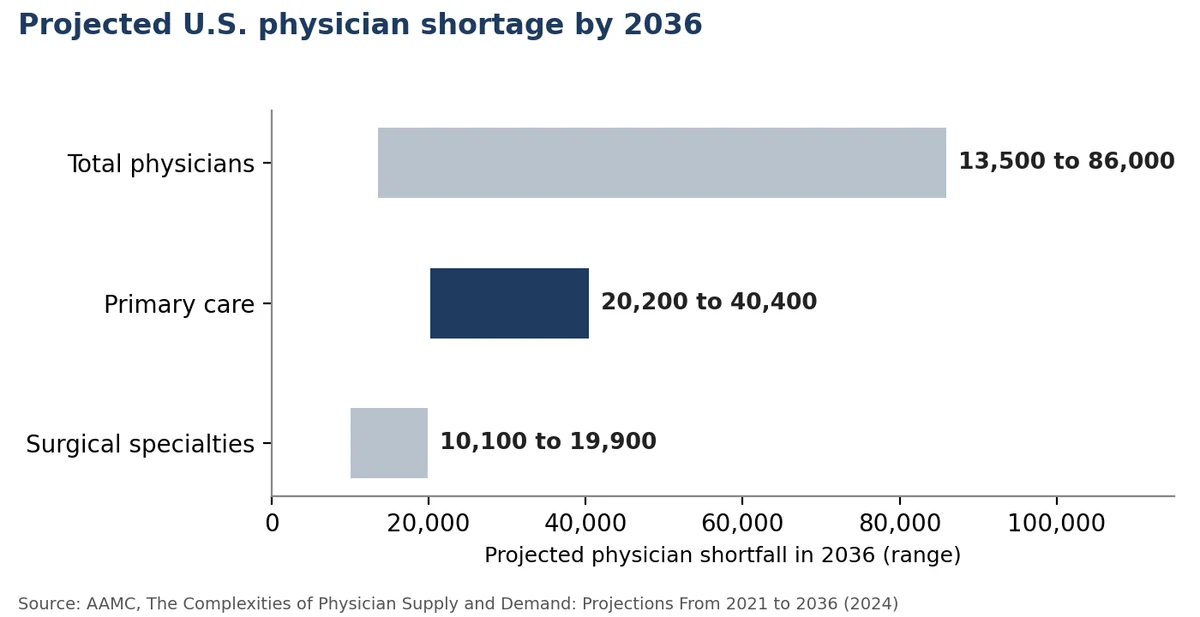
Estimates vary by model. The Health Resources and Services Administration projects a primary care shortfall of almost 70,000 physicians by 2036.
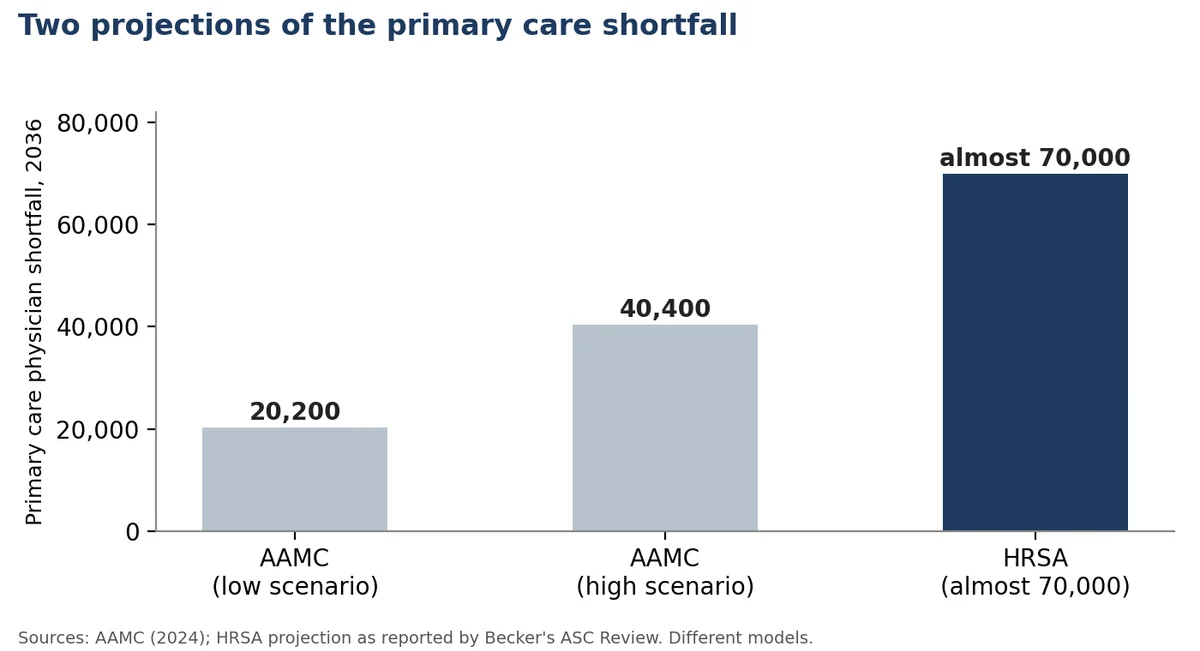
Demand is climbing at the same time. The AAMC expects the population aged 65 and older to grow by 34 percent by 2036, and older adults typically need more care. Expanding the role of nurse practitioners and physician assistants is among the near-term steps proposed to close the gap.
What does that mean day to day? Patients face longer waits and harder access. Clinics can't count on one clinician to carry the load alone. Care has to be organized around a team.
Physicians and nurse practitioners working as one team
KEL's provider pages describe its family nurse practitioner as treating common illnesses, chronic diseases and minor injuries, writing prescriptions, offering lifestyle and diet counseling, encouraging preventive care and writing specialist referrals. Referral services keep the primary care team involved when a specialist is needed.
Access is built into the schedule. KEL offers same-week primary care appointments and same-day acute care across all four clinics, Monday to Friday, 9:00 AM to 4:00 PM, so patients aren't left waiting on routine or urgent concerns.
Results
Across KEL's reviews, patients name front-desk staff and clinicians in the same breath. That's what team-based care looks like from the patient's side: one coordinated experience instead of a string of handoffs. Other reviews name Lucinda, Ciera, Sumalkumr and Jordi, so the praise is spread across the team and not tied to one person.
A clinician's take on team-based care
When a clinic shares the work across physicians, nurse practitioners and support staff, everyone can focus on what they do best. Physicians can concentrate on complex cases, nurse practitioners can handle the steady volume of routine and chronic needs, and front-desk staff can keep patients oriented and comfortable.
Patients feel the difference. They're seen sooner, they meet clinicians who explain their options, and they leave with a plan and a path for follow-up. Ongoing needs such as chronic disease management, preventive screenings and geriatric care depend on that continuity, because the same team can track progress and adjust plans over time.
KEL's four-step journey reflects this: schedule and confirm coverage, receive a comprehensive evaluation, agree on a personalized plan, and stay connected through follow-up.
What patients can take from this
If you've struggled to find a primary care home, ask how a practice organizes its team and how soon it can see you. A practice that can explain who will see you, and why, has usually thought carefully about how its team works. KEL accepts most major plans, including Aetna, Cigna, UnitedHealthcare, Healthfirst, Fidelis Care, Medicare and Medicaid.