Medical ReferralBy Kel Healthcare Team
Medical Referral in Brooklyn, NY: How to Get to a Specialist Without the Runaround
Told you need a specialist? Learn how a medical referral works in Brooklyn, NY, what to ask, and how KEL Healthcare's Crown Heights clinic coordinates the process.

Introduction
Being told you need a specialist can bring relief and a fresh set of questions at the same time. Who do I call? Will my insurance cover it? Will the specialist have my records? A well-handled medical referral in Brooklyn, NY answers those questions before you leave the exam room.
Here is how referrals work, what to ask, and how KEL Healthcare's Crown Heights clinic on Bedford Avenue coordinates the process.

What a medical referral is
A referral is a recommendation from your primary care clinician to see a specialist or get a specific service, such as a cardiologist, endocrinologist, dermatologist or orthopedic surgeon. HealthCare.gov describes a referral as a written order from your primary care doctor for you to see a specialist or get certain medical services.
The referral is more than paperwork. It tells the specialist why you are coming, what has already been tried and what answer your primary care team is looking for.
Do you need one? It depends on your plan
Rules vary by insurance. Some plans require a referral before they will pay for a specialist visit, while others let you book directly. Plan and network types explains how HMOs, PPOs and other plans differ. New York Medicaid managed care members can find program information from the New York State Department of Health.
When in doubt, call the number on your insurance card and ask whether you need a referral or prior authorization for the specific specialist or service.
How a referral works at KEL
KEL's referral services are designed so you do not have to chase paperwork:
- A primary care visit or comprehensive health assessment shows that specialty care may help.
- Your clinician explains why, what type of specialist you need and how soon you should be seen.
- KEL's referral team handles scheduling and securely shares your medical records with the specialist.
- You attend the specialist visit, and recommendations come back to your primary care clinician.
- A follow-up visit reviews the plan and adjusts your care if needed.

Questions to ask before you leave
- Why do I need this specialist, and what will they be deciding?
- Is the specialist in my insurance network?
- How soon should I be seen?
- Do I need tests or imaging done first?
- What should I bring to the specialist visit?
- How will the results come back to you?
Network status matters because out-of-network care can cost much more. Our guide to in-network vs. out-of-network specialists explains how coordination helps avoid surprise bills, and how specialist referrals work walks through what happens after your primary care visit.
Why following through matters
A referral only helps if the appointment actually happens. Delays can mean a problem is found later, and records that never arrive can force you to repeat tests. If scheduling feels overwhelming, tell your care team so they can help. Read what happens if you don't follow up on a referral and how referral coordination saves time and stress.
If you want another opinion on a diagnosis or treatment plan, see second opinions and referrals to learn how that works.
Get test results ready before the specialist
Specialists often want recent results in hand. KEL's diagnostic testing can provide lab work and other tests so findings are ready to share, and our guide to diagnostic testing in Brooklyn explains which tests you may need. Ask the team which tests are available at the Brooklyn clinic before you book.
Getting to the Crown Heights clinic
- Address: 1530 Bedford Avenue, Brooklyn, NY 11216
- Phone: (718) 874-2832
- Subway: 2, 3, 4 or 5 to Franklin Avenue, or A or C to Nostrand Avenue and then the B44
- Bus: B44 and B44 SBS stop along Bedford Avenue
- Access: step-free entrance from Bedford Avenue
- Hours: the location listing shows Tuesday and Thursday, 9 AM to 4 PM, so call to confirm before you visit
The Brooklyn clinic lists Dr. Karl E. Latortue, an internal medicine physician, among its providers. New patients are welcome, and walk-ins are accepted. See our guide to top primary care doctors in Brooklyn for more on choosing a doctor.
Conclusion
A good referral feels like a handoff, not a hurdle. If you need a specialist, or want help understanding your plan's rules, book a visit at the Brooklyn clinic and ask the team to walk you through the next steps. This article is general information and does not replace personal medical or insurance advice.
Frequently Asked Questions
More from our blog
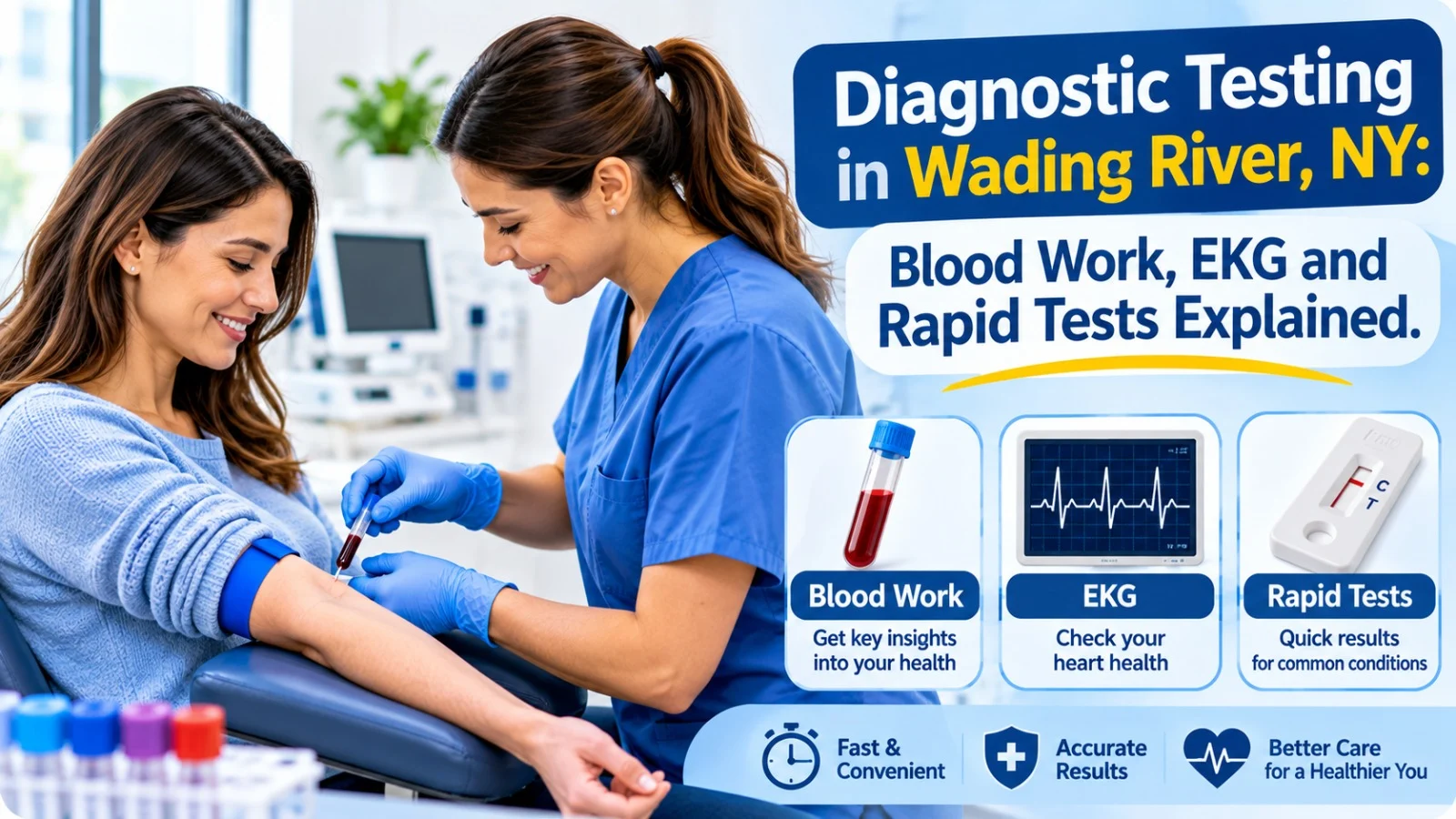 Diagnostic Testing
 in Wading River, NY: Blood Work, EKG and Rapid Tests Explained
Need blood work, an EKG or rapid tests in Wading River, NY? Learn what common diagnostic tests measure, how to prepare and what happens after your results.
Medically reviewed by Dr. Karl E. Latortue, MD
Read Article Chronic Disease Management
 in Brooklyn, NY: The Numbers to Track and How Often to Check In
Living with diabetes, high blood pressure, asthma or high cholesterol in Brooklyn? Learn which numbers matter, what a follow-up visit covers and how KEL Healthcare's Crown Heights clinic supports ongoing care.
Medically reviewed by Dr. Karl E. Latortue, MD
Read Article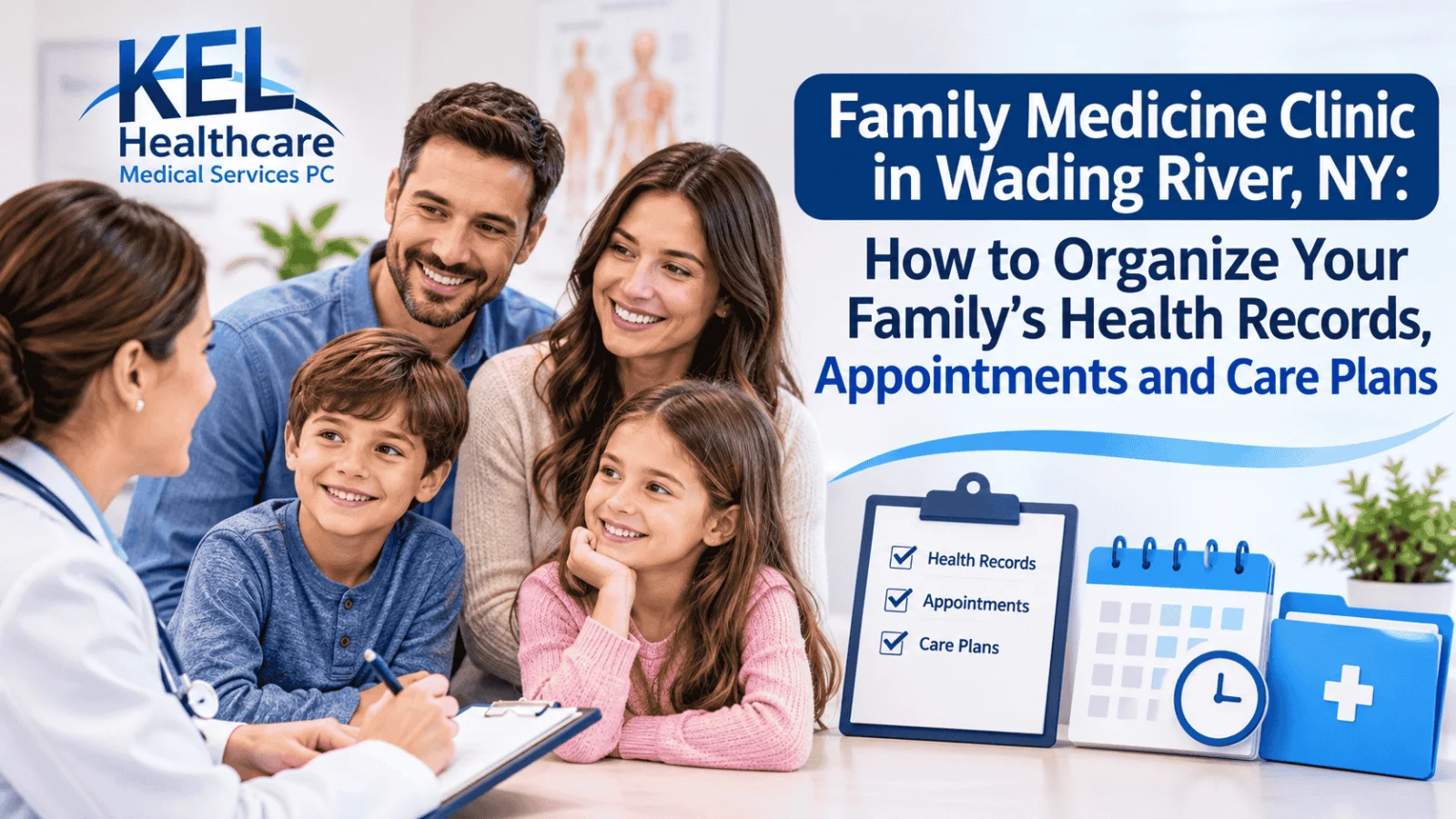 Primary Care
Family Medicine Clinic in Wading River, NY: How to Organize Your Family's Health Records, Appointments and Care Plans
Keeping a household's health straight takes a system. Learn how to build a health folder, track medications and checkups, share family history and use a Wading River family medicine clinic as your home base.
Medically reviewed by Dr. Karl E. Latortue, MD
Read Article